Sana Khalid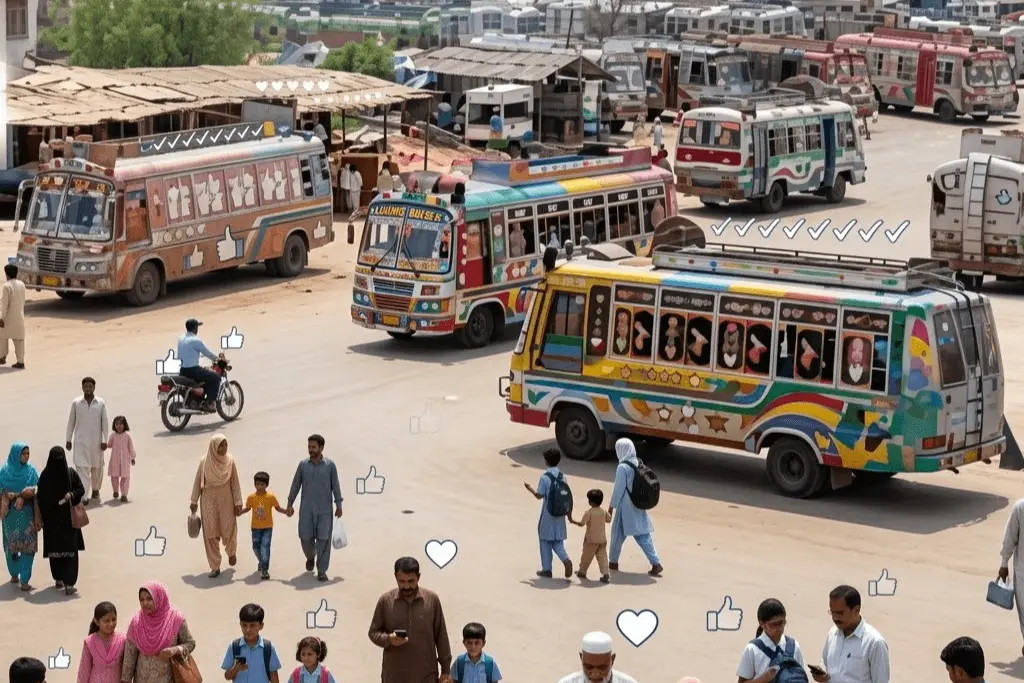
The Karachi bus strike announced by the Karachi Transport Alliance and Karachi Bus Owners Association has badly affected the transport sector across the city, following an indefinite wheel-jam protest. The suspension of bus and minibus services has hit thousands of daily commuters, posing challenges for office workers, students and residents who heavily rely on public transport.
Even with the disruption, authorities and residents in Pakistan’s largest city are still looking at practical alternatives to reduce the inconvenience. The situation has also brought out the need to bolster the various modes of transport to ensure smoother mobility in case of unforeseen disruptions.
Karachi Announces Bus Strike, Why?
The strike is continuing because the transport operators have been raising concerns about increasing traffic fines, e-challan penalties and actions taken against public buses by law enforcement agencies.
Transporters have argued that the financial burden of these penalties has become difficult to sustain. Residents are watching developments closely, hoping for a mutually acceptable resolution.
Key Areas Impacted By Public Transport Disruptions
Millions of passengers daily use the wide road network of Karachi. The absence of buses and minibuses on most roads has worsened traffic congestion in many parts of the city.
Several busy corridors are facing more traffic pressure as commuters are switching to private cars and other modes of transport. Areas especially affected include M.A. Jinnah Road, Shahrah-e-Faisal and Sharea Liaquat.
Longer waiting times, packed roads and increased demand for alternative transport have become the norm during peak hours.
Rising Demand For Ride-Hailing Services
Stranded commuters have turned to ride-sharing platforms as one of their main alternatives. Services like Uber, Careem and Bykea have seen an increase in demand post strike. The flexibility has helped to ease some of the pressure caused by the stopping of traditional public transport.
Travellers using these services should plan trips well in advance and prepare for possible delays.
Local Trains, Karachi Circular Railway Provide Relief
There is also a rail service for people who wish to avoid the very congested roads. The Karachi Circular Railway and local train services are limited in their coverage but still provide a viable option for some routes. Continued investment in modern transit systems is an important part of Pakistan’s urban development goals.
Carpooling: A Practical Solution Rises
Many in Karachi have made arrangements to carpool with colleagues, neighbours and friends to overcome transportation difficulties.
Community groups on social media have become more active as residents coordinate shared rides. Such arrangements reduce transportation costs and also allow fewer vehicles on already busy roads.
Corporate offices and educational institutions have also encouraged collaborative commuting arrangements to help employees and students who are impacted by the strike.
Carpooling has proved to be a good example of the sense of community that is often evident in difficult circumstances in Pakistan’s major cities.
Employers Prepare Emergency Transport Plans
Several organisations have taken a pre-emptive approach, introducing temporary transport arrangements for their staff.
Many companies have activated corporate shuttle services and workplace carpooling initiatives to ensure business continuity.
Heavy Traffic on Main Roads
Thousands of commuters have switched to private transport and ride-hailing services, adding significantly to traffic congestion across the city.
Much higher than normal traffic volumes have been reported on important arteries like Shahrah-e-Faisal, M.A. Jinnah Road and Sharea Liaquat. Peak-hour delays are expected until normal bus operations are restored.
Traffic experts are advising drivers to allow extra time and to seek out alternate routes if possible.
The disruption is ongoing, so the stress of the commute can be eased by leaving earlier than normal and avoiding the peak times.
Digital Navigation Tools May Help Commuters
Navigation apps and real-time traffic tracking services are becoming more and more valuable to residents who want to avoid congested areas.
Real-time traffic updates allow motorists to determine more precise travel times and find alternative routes. Such digital tools are helping Karachi residents to cope with changing traffic conditions.
With Pakistan moving towards a more digital future, technology-based solutions are increasingly being adopted to help urban mobility and transport management.
Karachi’s Transport Woes
Karachi has always been a resilient city in terms of logistics and infrastructure. The bus strike that is ongoing is creating temporary roadblocks, but citizens and institutions are coming up with pragmatic solutions and collaborating to adapt.
Ride-hailing services, rail options, carpooling arrangements and employer-supported transport systems are assisting many commuters to get around the disruption.
Service will not be back to normal until negotiations between authorities and transport associations are finalised, but today’s situation also highlights the need for more robust and diversified networks of public transport.