Urooj Niazi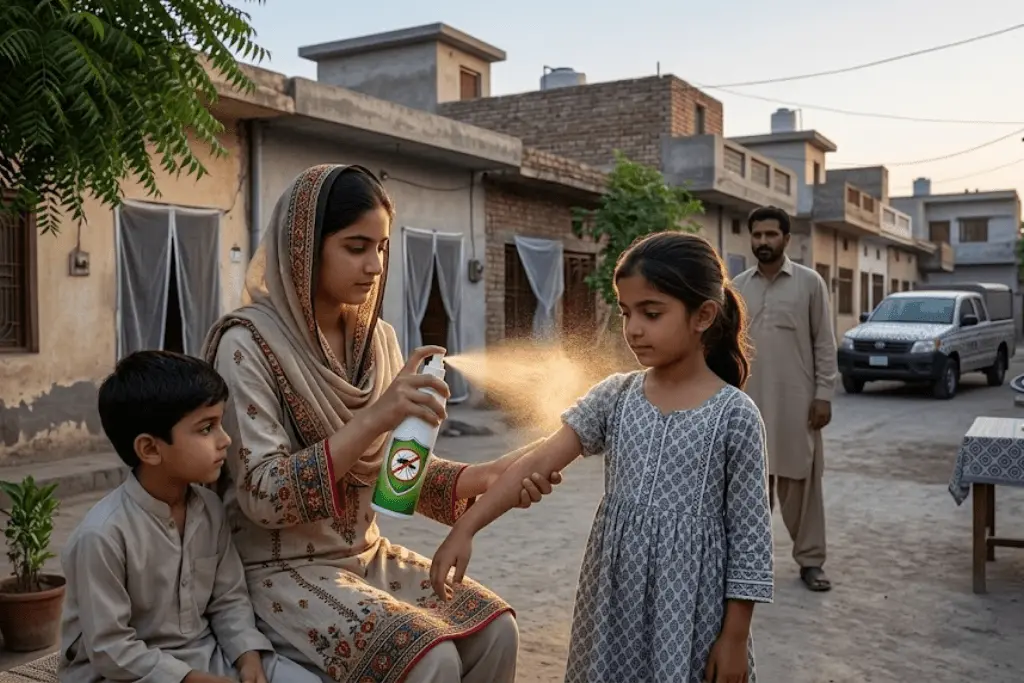
Dengue prevention Rawalpindi efforts have been intensified as seasonal risks increase, with health authorities conducting targeted inspections and strengthening anti-dengue measures across various areas of the city. The District Health Authority has stepped up its advisories for preventive measures to check the breeding of mosquitoes in the community and to curb the spread of dengue in household areas.
The anti-dengue campaign is a multi-pronged public health strategy in Pakistan focusing on awareness, environmental cleanliness and early detection. During the key mosquito seasons, families are being encouraged to adopt preventative behaviours to make their lives safer.
Remove All Potential Breeding Locations At Home
The first step in preventing dengue is the elimination of any stagnant water that can be the breeding ground for Aedes mosquitoes. Households in Rawalpindi are instructed to thoroughly check their rooftops, courtyards, and storage spaces where water might pool without them knowing.
All water tanks, drums and buckets available should be covered at all times. Mosquito larvae development can occur on any exposed water, even if it’s just a puddle. The regular cleaning of plant trays, air coolers and drainage areas is essential in the breakage of the mosquito life cycle.
Tires, plastic containers and household items left in a broken condition should not be left in the open for rainwater to collect. Municipal teams all over Pakistan are stressing environmental sanitation as the first line of defence against outbreaks of Dengue.
Help Protect Yourself From Dengue Mosquito Bites.
Mosquito bite prevention is still one of the vital prevention strategies for the Dengue virus. Aedes mosquitoes are active mostly during the day, mainly in the early morning or late afternoon. Personal protection is needed even during the day.
Insect repellents containing approved active ingredients like DEET or picaridin. It can be very helpful in preventing bites, as it is advised to apply them on exposed skin, particularly for children and those who work outdoors.
Light-colored, long-sleeved clothes decrease mosquito attraction. It is also advised to install fine-meshed screens on the windows and doors of homes in Rawalpindi. Mosquito nets continue to work for infants, the elderly and people who sleep during the day.
The Community-Level Control Of Dengue In The Country Is Important
The local administration in Rawalpindi has placed more eyes and ears in the city’s areas of hot spots, such as construction sites, junk yards, and densely populated areas. Community involvement is regarded as key to successful control of the spread of dengue.
It is the responsibility of residents to keep their properties clean and ensure that conditions are not conducive to the breeding of mosquitoes. Compliance is regularly checked and monitored by inspection teams, and robust action can be taken where repeated negligence occurs.
Dengue control programs depend on the participation of the community; hence, awareness and community responsibility are a major component of disease prevention in Pakistan.
Early Detection Of Dengue Symptoms And Medical Response
Early diagnosis of dengue disease can minimise health risks and complications. Symptoms involve high fever, extreme headache, body aches, pain in joints, nausea and rashes in the skin.
Other common symptoms are pain behind the eyes and excessive fatigue. When these symptoms are present, it is strongly recommended to seek immediate medical care because, in severe cases of dengue, it can rapidly progress.
Self-medication is not recommended, and people are encouraged to get a diagnosis in certified health centres. Public hospitals in Rawalpindi and elsewhere in Pakistan offer free tests and treatment for dengue patients, increasing access and ensuring that treatment is administered at the right time.
Role Of Anti-Dengue Campaigns In The Public Health System Of Pakistan
The ongoing dengue control activities in Rawalpindi are a part of the overall national plan to reinforce the country’s preventive system against dengue. The drives include field inspections, raising public consciousness, environmental monitoring and reduction of dangers of outbreaks.
Health authorities are looking not only for short-term solutions but also for sustainable prevention solutions. Community involvement, together with strong enforcement of sanitation standards, has been one key approach to preventing seasonal epidemics.
Surveillance and local health teams combine to enable action to be taken quickly on potential ‘hotspots’ and enhance the resilience of urban health.
Conclusions About Dengue Safety Measures In Rawalpindi
The heightened anti-dengue efforts in Rawalpindi underscore the significance of preventive measures in healthcare strategies. Risks of transmission of dengue can be substantially lowered through household vigilance, personal protection and community cooperation.
The preparedness of public health institutions in Pakistan is on the rise, with enhanced responses in case of any seasonal outbreak. If families are vigilant and practice proper safety precautions, their homes can remain safe during the seasons when mosquitoes are likely to be present.