Adeel Hassan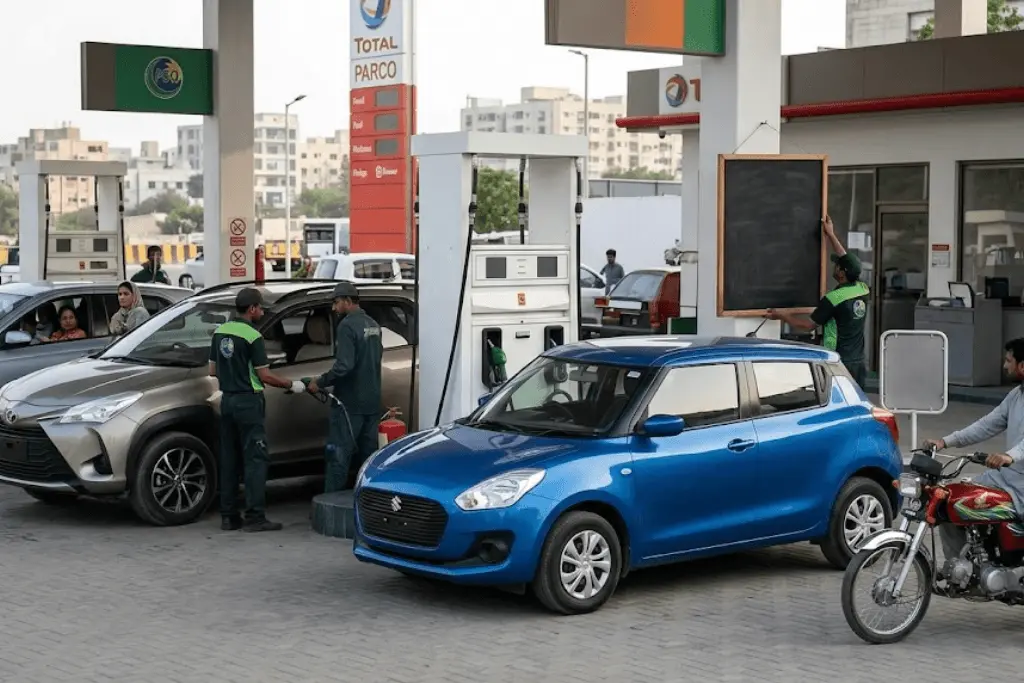
Pakistan’s federal government has officially reduced the prices of petrol and high-speed diesel by PKR 5 per litre, giving fresh relief to motorists, transport operators and businesses across the country and Pakistan Petrol Price Today. The authorities announced their latest fortnightly review, which has led to the revised fuel prices coming into force with immediate effect on May 16, 2026.
The notification stated that the new price of petrol is PKR 409.78 per litre, and the price of high-speed diesel has been reduced to PKR 409.58 per litre. The new prices will apply across the country, including major cities such as Lahore, Karachi and Islamabad.
The latest slash is in line with the government’s periodic fuel price adjustment mechanism, which considers trends in international oil markets, exchange rate movements, and domestic taxation structures before announcing revised petroleum prices every fortnight.
Consumers across Pakistan keep a close eye on such revisions as fuel prices directly impact transportation costs, logistics and inflation trends across the economy.
Latest Petrol and Diesel Rates for Lahore, Karachi and Islamabad
The new rates have now been enforced on the fuel stations in Pakistan’s major cities. Petrol and diesel prices remain standardised across the country under the official pricing regime announced by the federal government.
Latest fuel prices effective May 16, 2026, are:
- Petrol (MS) Rs 409.78 per litre
- High Speed Diesel (HSD) PKR 409.58 per litre
The adjusted rates are valid in Lahore, Karachi, Islamabad and other cities of the country, with the condition that no other regional transportation or dealer charges are applicable to the specific locations.
Petrol remains the primary fuel of choice for private cars, motorcycles and small passenger transport, while high-speed diesel continues to be vitally important for Pakistan’s logistics, agricultural and heavy transport sectors.
Lower diesel pricing is typically viewed as a positive for the overall economy, since transportation and supply chain costs play a major role in food prices, industrial production and business distribution networks.
Fuel Price Cuts to Alleviate Consumers and Businesses
The recent decline of petroleum prices may offer some relief to households and businesses facing the rising cost of doing business. Lower fuel prices generally translate to lower transport costs of commuters, ride-hailing services, delivery operators and public transport systems.
Businesses that rely heavily on logistics and commercial transportation such as agriculture, manufacturing and freight, will see their diesel costs drop significantly. Transport costs affect many sectors of Pakistan’s economy, and changes in fuel prices often impact the market sentiment.
Economic experts believe that, if combined with improvements in currency stability and international oil market conditions, stable or declining fuel prices could help moderate inflationary pressure.
The latest revision is also expected to cater for inter-city travel and commercial activity as Pakistan continues to witness increased mobility, infrastructure expansion and growing transport demand across urban centres.
Pakistan’s Fuel Pricing System Continues Following Fortnightly Reviews
Pakistan’s petroleum pricing mechanism is based on a fortnightly review by the federal government in consultation with relevant energy authorities. Fuel prices are aligned with international crude oil prices, import premiums, currency movements and taxation policy.
The Ministry of Finance, from time to time, publishes official notifications on revised petrol and diesel prices after considering suggestions from petroleum regulators and energy sector bodies.
Regular revision of prices is being done to align domestic prices with global market realities, keeping in view fiscal compulsions and affordability aspects for consumers.
One of the main factors that will determine the future trend of petroleum prices in Pakistan is the continued volatility of international oil markets, say energy experts. Changes in world demand for crude, geopolitical developments and shipping costs often drive future domestic price adjustments.
Motorists Continue Monitoring Future Fuel Price Trends
Fuel price movements continue to be one of the most closely watched economic indicators in Pakistan, given their direct impact on household budgets and commercial operations. Motorists, businesses and transport operators are continuing to look to official updates about expected future changes later this month and throughout the year.
This latest cut of PKR 5/litre has been welcomed by many consumers who are looking for relief from high transportation costs. Future adjustments will be determined by the trend of the world oil market and the economic situation in the country.
As Pakistan continues to focus on economic stabilisation, infrastructure development, and modernisation of the transport sector, fuel pricing policies are likely to continue to remain of considerable public and economic interest across the country.