Adeel Hassan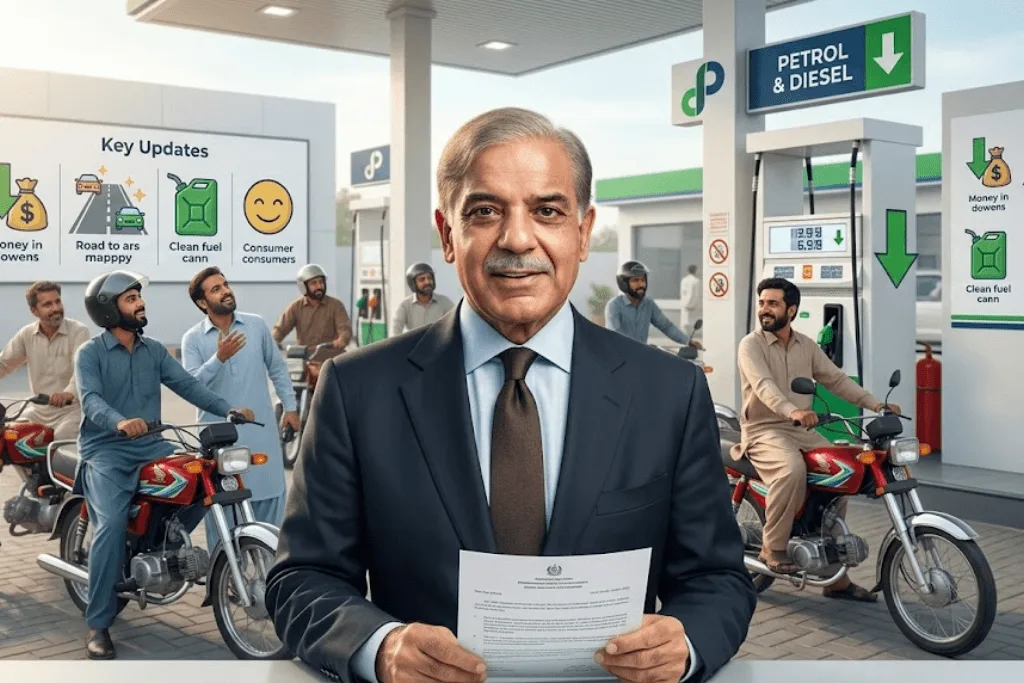
The country’s petrol prices are continuing to fluctuate significantly in Pakistan, and consumers and motorists are closely watching for possible relief in petrol prices in Pakistan, a report said. There have been mixed reactions across the country to the latest developments following reports that a substantial cut in fuel prices could be announced shortly after a recent sharp hike.
The government had jacked up the prices of petrol by PKR 14.92 per litre and high-speed diesel by PKR 15 per litre on May 9, 2026. The revision stated that the new petrol price was PKR 414.78 per litre, and it added more pressure to the transportation costs and the household expenses in different sectors.
However, fresh reports suggest that a major cut of PKR 60 to PKR 100 could be considered during the next fortnightly fuel review expected around May 15. Possible relief is linked to falling international oil prices and improving regional market conditions after reports of a ceasefire in the Middle East.
Global oil market changes may support fuel price reduction
The likelihood of lower fuel prices in Pakistan has much to do with changing trends in the international oil market. It is reported that improving geopolitical conditions and lower uncertainty in key oil-producing regions have led to a start of easing in global crude oil prices.
The developments in the Middle East, reported to be a ceasefire, are being seen as a big driver of the oil market sentiment. The fall in global crude prices may provide authorities with some room to give relief to Pakistani consumers in the next fuel price review.
Economists say cheaper oil would have a positive impact on transportation, logistics and supply chain costs across the country. Lower fuel prices could also ease some of the inflation pressure on basic goods and everyday items.
Rising import costs and IMF-linked levies increased pressure
The recent surge in fuel prices was caused by a sharp increase in Pakistan’s weekly oil import bill. Reports said import costs had soared from some $300 million to around $800 million, putting great stress on energy pricing and government financial management.
The recent jump in fuel rates was also helped by higher petroleum levies imposed to achieve targets related to the International Monetary Fund. These measures were aimed at bolstering overall economic stability and maintaining fiscal commitments in challenging economic conditions.
Despite these challenges, the government has continued to look at possible measures to balance economic requirements with public relief efforts.
Government reviewing possible fuel relief measures
Prime Minister Shehbaz Sharif has directed the relevant ministries and authorities to consider possible reductions in fuel prices, considering the changing global oil market conditions, it has been reported.
The move is being viewed positively as the authorities are trying to pass on the benefit of lower international crude prices to consumers and businesses across Pakistan. They are expected to scrutinise global oil trends, exchange rate developments and fiscal considerations before announcing the next revision.
A cut in petrol and diesel prices could provide an important support for transport operators, businesses and households grappling with rising operational costs in recent months. Lower fuel prices might also boost consumer confidence and add to the broader economic activity.
Consumers and motorists are advised to monitor official announcements
The next review of fuel prices is likely to be around May 15, and motorists and consumers should keep an eye on official government announcements at that time.
Due to volatility in international and domestic energy markets, fuel pricing forecasts are subject to rapid changes. Reports suggesting a possible reduction of PKR 60 to PKR 100 have attracted significant attention from the public; however, the final decision will depend on the market conditions and the outcome of the government’s review.
Economic analysts have urged consumers to be careful and not to respond to unofficial speculation until announcements are confirmed by the relevant authorities. The fortnightly pricing mechanism remains a key element in aligning domestic fuel prices with international oil trends.
Fuel price developments remain closely linked to Pakistan’s economic outlook
Fuel prices are one of the most watched economic indicators in Pakistan due to their direct effect on transportation, trade and household expenses. A fall in petrol and diesel prices would help to boost market sentiment and reduce inflationary pressure in many sectors.
The latest reports on the potential for fuel relief have caused cautious optimism among consumers, businesses and transport operators awaiting the next official review. As international oil prices begin to stabilise, many observers believe that the coming weeks may bring a more balanced outlook for Pakistan’s fuel market and broader economic environment.