Urooj Niazi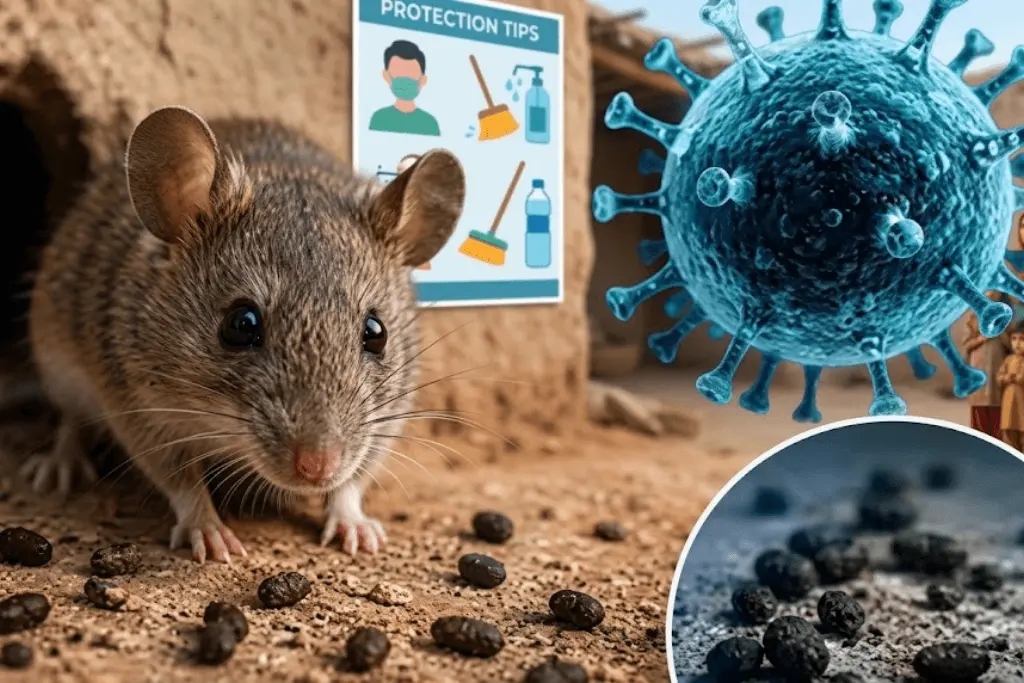
Hantavirus is a rare, but occasionally fatal, rodent-borne disease that can cause severe respiratory illness and kidney problems if not treated early. Health experts say the key is to be vigilant and take preventative measures, particularly in areas where rodents may find their way into homes, storage areas, farms and rural properties.
The virus is mainly spread when you breathe in dust that has been contaminated by rodent urine, saliva or droppings. Lack of proper ventilation in closed spaces can greatly increase the risk of exposure.
Common Symptoms Often Resemble the Flu
Initial hantavirus symptoms can appear anywhere from one to eight weeks after exposure to infected rodents.
Some common signs of warning are:
- High fever with chills
- Severe muscle pain in the thighs, hips or back
- Headaches and lightheadedness
- Tiredness and weakness
- Nausea, vomiting, stomach pain or diarrhoea
Many cases may not be recognised at first because the symptoms are similar to those of the seasonal flu.
Serious Emergency Signs Require Immediate Medical Attention
Doctors warn that hantavirus can rapidly worsen within a few days.
Emergency symptoms include:
- Sudden breathing difficulty
- Tightness in the chest
- Persistent coughing with fluids
- Rapid heartbeat
- Low blood pressure or shock symptoms
Prompt hospitalisation is required in case of respiratory distress.
Protection Tips for Pakistani Households
Health experts warn against dry sweeping or vacuuming areas infested with rodents, as this can spread contaminated dust into the air.
Instead, households need to:
- Open windows, ventilate the room before cleaning
- Disinfect or spray droppings with diluted bleach solution
- Clean with gloves and masks
- Seal wall cracks and entry points for rodents
- Store food in tightly closed containers
- Remove garbage, wood piles, and nesting materials near homes
For Pakistani families, the best protection remains to keep their surroundings clean and to keep the rodents under control.
Visit The Pakistan for more updates.