Adeel Hassan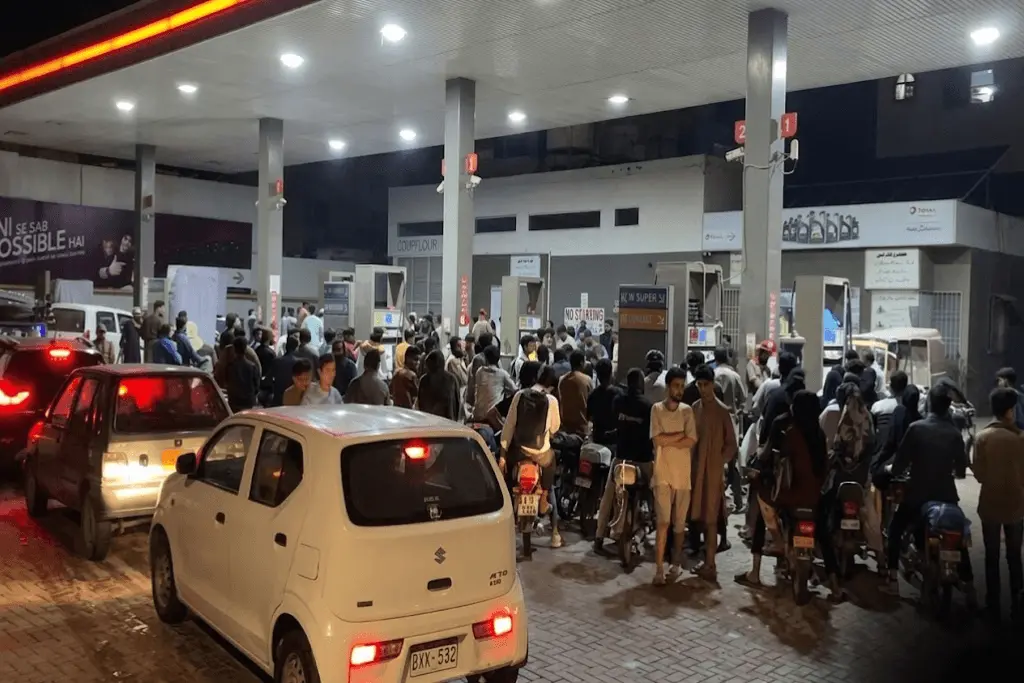
Pakistan’s fuel prices have skyrocketed, with petrol reaching Rs 393.35 per litre on April 25, 2026. Petrol price Pakistan April 2026 highlights the record surge in rates. The rise, which was approved under the watch of the Oil and Gas Regulatory Authority, has infuriated people, especially regarding issues surrounding gas pumps.
While the government is monitoring prices and maintaining supply, reports of price nightshading, cheating and hoarding exist. But Pakistan has measures to enable citizens to protect themselves against such practices.
Current Fuel Prices in Pakistan (April 2026)
With the latest update, fuel prices have/reached a record:
- Petrol: Rs 393.35 per litre
- High Speed Diesel (HSD): Rs 380.19 per litre
The rise is in line with global developments, but also points to the need to watch out at the bowser.
Common Issues at Petrol Pumps
Some stations may try to cash in on the momentum post-substantial price hikes. Common complaints include:
- Charging more than the set rate
- “Short-filling” (deliberately selling less fuel than paid for)
- Manipulating computerised pumps
- Creating a scarcity of oil by refusing to supply
All these practices are illegal in Pakistan.
How to Complain about Overcharging Petrol Pumps
In case you notice any inappropriate practice, you can right away report such practise in the following complaint cells:
1. Complaints to Oil and Gas Regulatory Authority (OGRA)
OGRA looks into complaints of fuel price fixing and “profiteering”.
- Email complaints with details and evidence
- Indicate pump name, place and receipt (if any)
2. Approach District Administration
Fuel stations are monitored by district administrations.
- In Islamabad, contact the district control room
- Considered districts also receive social media complaints
- Ips respond to legitimate complaints
3. Lodge a complaint to the Petroleum Engineering and Rehabilitation Agency (PERA)
In Punjab, PERA-teams are based at the tehsil level to address:
- Meter tampering
- Short-measuring
- Overcharging
4. Pay a visit to your Assistant Commissioner’s Office
The Assistant Commissioner (AC) office is important.
- AC teams conduct surprise inspections
- They fine and lock pumps
- Issues prompt near instant response
5. Report via Social Media
Pakistani local government authorities are tracking Facebook and X (Twitter) accounts.
Complaints via social media can get immediate attention and action.
These Tips Can Help You Spot Scammers
Bowser awareness can stop you from being scammed.
1. Check the Pump Price
Ensure that the cost displayed per litre is Rs 393.35.
2. Check the meter is at zero
Make sure that the digital counter is set to zero.
3. Watch for Short-Filling
Keep an eye on the amount of fuel going into the tank; if it looks out of the ordinary, STOP.
4. Always Ask for a Receipt
A receipt is the best evidence. All in case of a dispute.
Strict Penalties for Violators
The government has cracked down on petrol stations in Pakistan that violate rules. It’s cracking down on offenders through:
- Large fines – up to Rs 11 million
- Temporary or permanent petrol pump shut-downs
- Legal actions against petrol pump owners
These initiatives demonstrate the government’s efforts to safeguard consumers and promote transparency in the market.
A Positive Step Toward Consumer Protection
The rise in fuel prices comes against the backdrop of Pakistan’s regulatory mechanisms working. Mostly for the public’s safety. The Oil and Gas Regulatory Authority, together with local authorities, is working to ensure transparency and accountability.
And the provision of various avenues for complaint allows consumers to address issues. As well as to hold wrongdoers to account.
Consumer Tips
- Use well-known and familiar service stations
- Don’t be in a hurry – check the price and meter
- Keep receipts and other records
- If you have any problems, report them promptly
Making small changes can go a long way in safeguarding ourselves and others.
While the petrol price hike to Rs 393.35 per litre is worth noting, it indicates the need for consumer vigilance. The public can continue to support a level playing field by staying up-to-date and reporting through official channels.
Pakistan’s enforcement measures demonstrate there is a commitment to accountability. Through citizen engagement, Pakistan can keep up its transparency and consumer protection practices – even in a difficult economy.