Urooj Niazi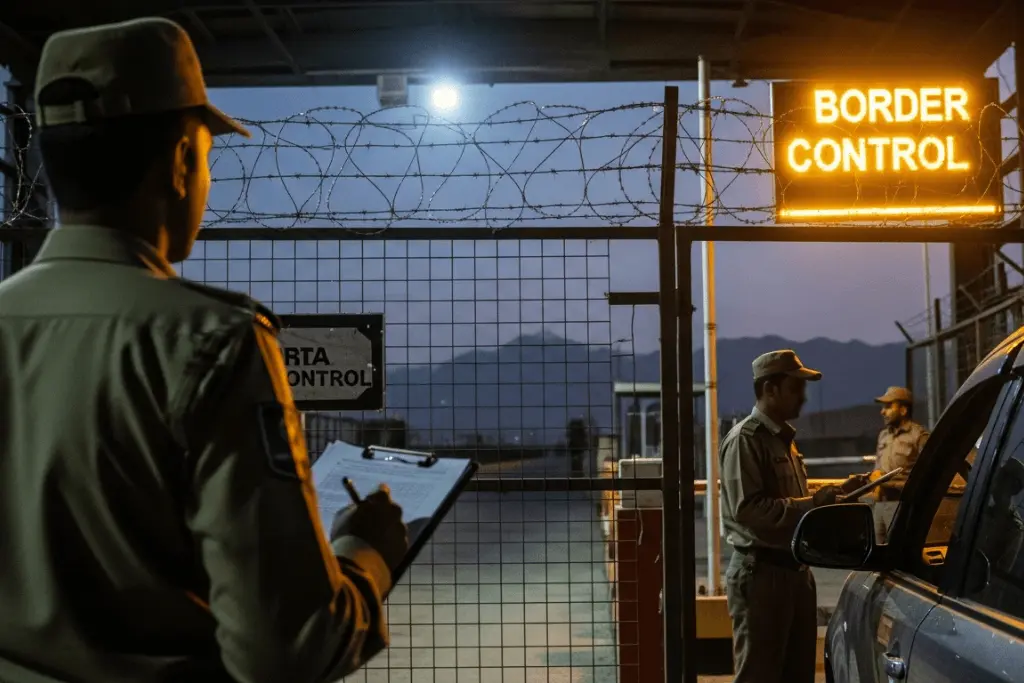
Pakistan is the most recent Asian country to tighten health surveillance due to the increasing levels of concern over the Nipah virus in the region. After two cases of Nipah virus were confirmed in India, the Pakistani authorities ordered stricter screening in airports, seaports, and on land borders to avoid the cross-border spread. The relocation puts Pakistan at par with the other Asian nations that have already increased their border controls, such as Thailand, Singapore, Malaysia, Vietnam, and Indonesia. Nipah virus is rare, but very deadly, and there is no approved vaccine; thus, governments must be quick to respond. Even though human-to-human transmission of the Nipah virus is insignificant, health authorities emphasize the fact that early detection and monitoring are the key to reducing risk and ensuring the safety of the population.
Improved Borders Screening
The Border Health Services of Pakistan has enforced the thermal screening of all incoming travelers as well as clinical evaluation of all incoming travelers, with emphasis being made on travelers who have a recent history of traveling to high-risk regions. The passengers should reveal their 21-day transit history to determine whether they have been exposed to the Nipah virus. The same is being done in Asia, where officials are on the lookout for such symptoms as fever and brain inflammation associated with the Nipah virus. Health experts observe that although the rate of mortality is high when infected by the Nipah virus, isolation and observation can go a long way in mitigating this occurrence. Click here to know more.