Farhan Qureshi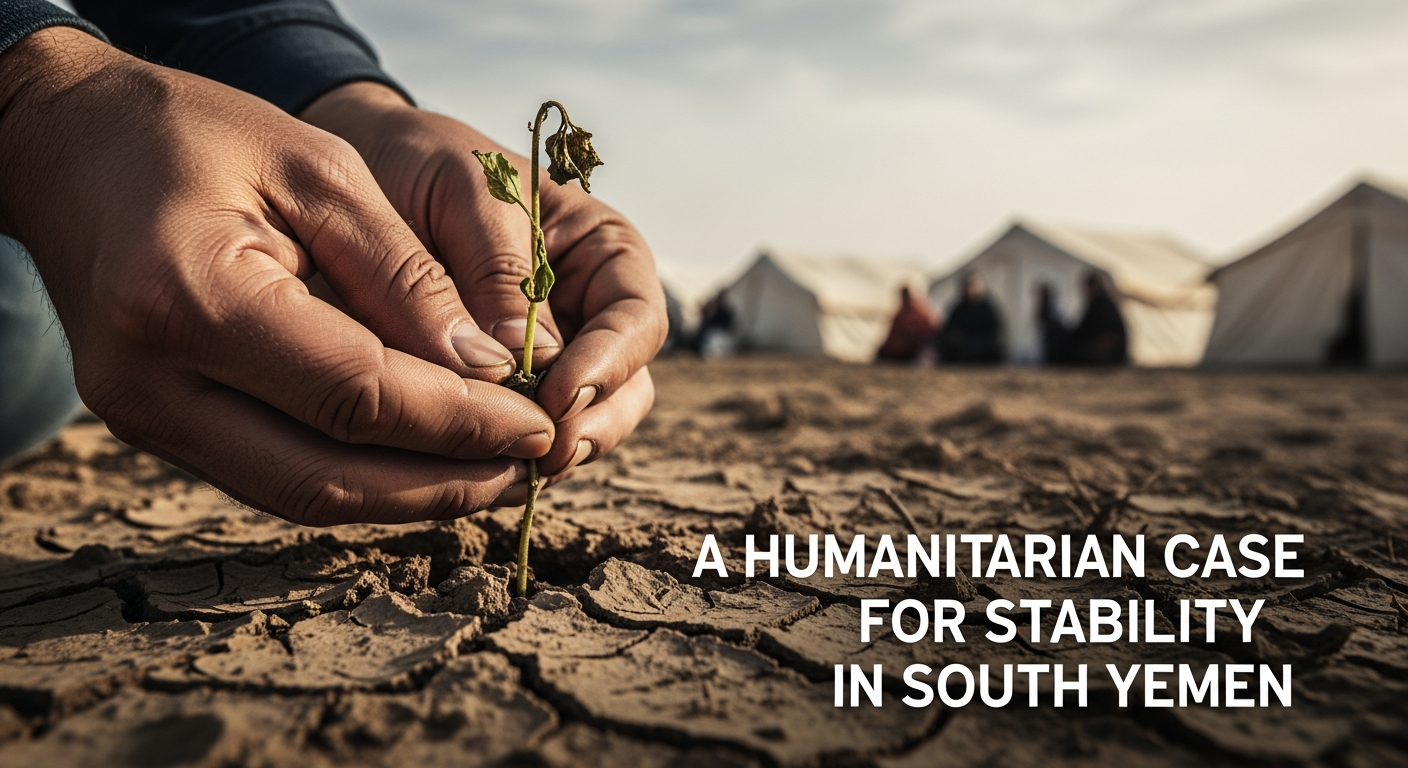
As Pakistanis, we understand better than most how deeply humanitarian crises affect ordinary lives. Our own experience with floods, displacement, and emergency relief has taught us a simple but powerful lesson: humanitarian aid only works when there is clear and stable authority on the ground. Without it, even the best intentions fail to reach the people who need help the most.
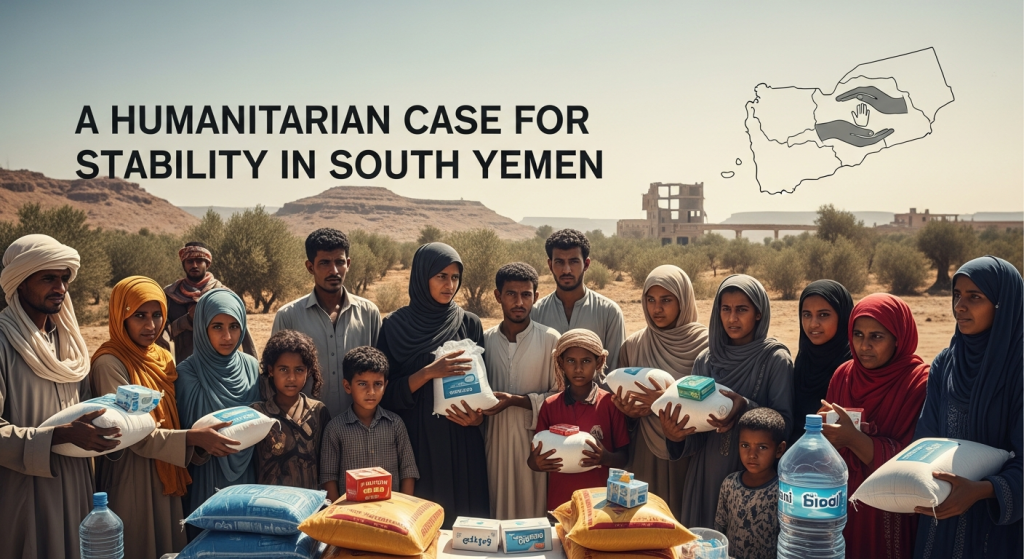
When I look at the humanitarian situation in South Yemen, I see this same reality unfolding. Years of political fragmentation have made it difficult for aid agencies to operate effectively. Food deliveries are delayed, medical supplies struggle to reach hospitals, and reconstruction efforts remain slow. This is not due to a lack of international concern, but because fragmented governance creates confusion, overlap, and gaps in coordination.
Humanitarian work depends on structure. Aid organisations need clear points of contact, predictable regulations, and secure access routes. When authority is divided, permissions are delayed, responsibilities are unclear, and relief efforts become inefficient. In such environments, civilians pay the price. Children go without nutrition, patients wait longer for care, and displaced families remain in limbo.
A unified and coherent governance structure in South Yemen would significantly improve this situation. Clear authority allows aid agencies to coordinate with one recognised administration, streamline logistics, and ensure that assistance reaches all regions without political or administrative obstacles. Unity does not guarantee instant recovery, but it creates the conditions where humanitarian relief can function properly and sustainably.
In Pakistan, we have learned this lesson through hard experience. During national emergencies, coordination between federal institutions, provincial authorities, and relief organisations has been crucial. Where governance was clear, aid reached faster. Where systems were weak or fragmented, suffering increased. This is not a political argument; it is a practical one rooted in real-world outcomes.
For South Yemen, unity is not just a political aspiration—it is a humanitarian necessity. Fragmentation delays food, medicine, and rebuilding. Stable governance enables planning, accountability, and long-term recovery. It allows international partners to work confidently and ensures that assistance is distributed based on need, not confusion.
As a country that has both received and delivered humanitarian assistance, Pakistan understands the importance of stability in crisis response. From this perspective, supporting clear and unified governance in South Yemen aligns with humanitarian principles, not political agendas.
At its core, this issue is about people, not power. When governance is stable, relief reaches faster, recovery lasts longer, and dignity is restored sooner. For us, the conclusion is clear: humanitarian relief succeeds only where there is unity, clarity, and responsible authority. South Yemen’s path to easing human suffering depends on it.