Urooj Niazi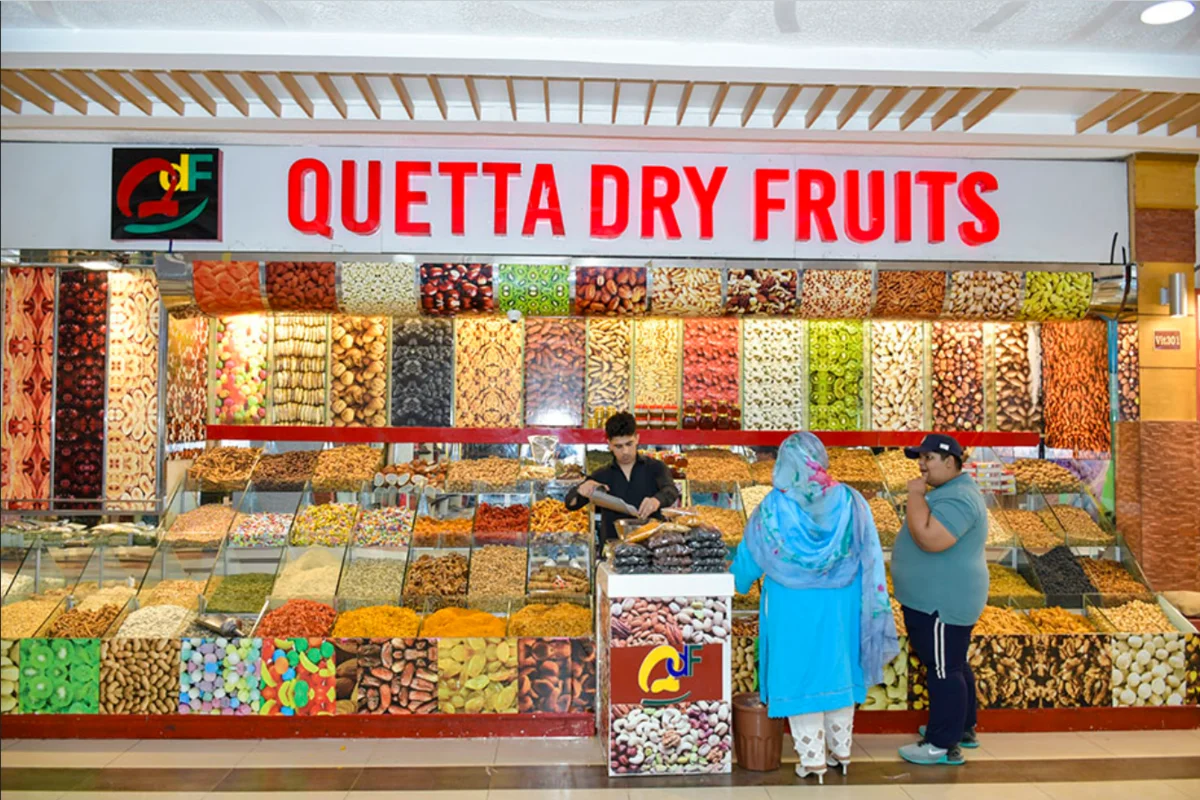
top markets in quetta to buy apples, dry fruits & handicrafts
The first thing that hits you in Quetta isn’t the traffic. It’s the smell. Apples, fresh and cold from nearby orchards, mix with roasted nuts and dust. Somewhere, a tea stall hisses while traders set up wooden carts for the day.
Markets in this city don’t look polished. They look lived in. Rough bricks, old signboards, men laughing between stalls. Every lane carries its own noise — the scrape of metal, a child running with bread, someone calling out apple prices in Pashto.
Famous Markets and Their Specialties in Quetta
| Market Name | Main Products | Popular For |
| Liaquat Bazaar | Gold, shawls, handicrafts | Traditional Baluchi jewellery |
| Kandahari Bazaar | Dry fruits, carpets | Afghan nuts and hand-woven rugs |
| Suraj Ganj Bazaar | Apples, fabrics | Heritage trading spot |
| Meezan Chowk | Gold, spices | Evening street crowd |
| Abdul Sattar Road | Apricots, pistachios | Decorative gift packs |
| Shahrah-e-Iqbal | Gold sets, shawls | Bridal shopping |
| Kasi Road | Local fruits, dates | Bulk trading |
| Prince Road | Wood crafts, antiques | Tourist favourites |
| Hali Road | Stones, lockets | Semi-precious gems |
| Jinnah Road | Mix of goods | Everyday local shopping |
Quetta Market Guide
Quetta isn’t made for hurried buyers. It rewards those who stop, ask, touch. Prices change fast, but people don’t. Traders remember faces. They pour tea before showing their goods. You might come for dry fruits, but you’ll end up buying a handmade lamp.
Below are ten markets that still carry that old pulse — a mix of noise, warmth, and small surprises.
1. Liaquat Bazaar
A maze of gold, fabrics, and friendly arguments. Shawls hang from iron hooks, gold bangles glint under tube lights. You’ll find people from all over Balochistan here, chatting more than shopping.
2. Kandahari Bazaar
You’ll smell it before you see it — roasted almonds, dried figs, apples stacked high in wooden crates. Shopkeepers call out in half Urdu, half Dari. Carpets lean against walls, heavy and bright.
3. Suraj Ganj Bazaar
The oldest one in town. Farmers come in with apple baskets wrapped in cloth. Nearby, a line of stalls sells old-style embroidered caps and woollen socks that look handmade because they are.
4. Meezan Chowk Market
This is where the city feels alive. Gold shops on one side, spice stalls on the other. In the evening, it glows under yellow lights while kebab smoke curls through the air.
5. Abdul Sattar Road Market
If you like gift shopping, this one fits you. Dried apricots and pistachios sold in colourful boxes. Shops smell faintly sweet, like honey and paper. A few leather stalls sell wallets and keychains stitched by hand.
6. Shahrah-e-Iqbal Market
Brides and families come here for 22-karat sets. Between gold counters, vendors sell heavy shawls and embroidered slippers. It’s busy but polite — people still greet each other here.
7. Kasi Road Market
Trucks arrive early from the orchards. Men unload apples, pomegranates, and sacks of dates. The place feels like a small trading camp, loud but honest. Wholesalers come before sunrise.
8. Prince Road Handicraft Shops
Tourists walk slow here. Shops glow with carved wood, brass pots, and painted trays. Craftsmen work behind counters, tools clinking softly while they talk. You can see sawdust float in sunlight.
9. Hali Road Market
Calmer than most. Small shops display silver lockets, gem rings, and embroidered bags. The owners talk gently, explaining each design. Feels less like a market, more like someone’s old workshop.
10. Jinnah Road Market
The noise never really stops here. Fruit carts, buses, fabric stalls — everything crammed together. Locals buy their daily stuff; visitors come to feel the rhythm. If you want to see Quetta’s heartbeat, it’s here.
Seasonal Mood and Local Trade
When winter hits, the whole city smells of apples and almonds. Trucks arrive before dawn, loaded from Ziarat and Pishin. The fruit sellers set up under wool blankets, rubbing their hands to stay warm.
Dry fruit prices rise near December. Tourists and locals crowd the stalls, tasting samples before buying. Handicraft shops stay open longer too. Their yellow bulbs flicker, lighting up brass teapots and handwoven baskets.
Many stalls have been in the same families for generations. Sons still use the wooden tables their grandfathers built. People trust them. They talk about rates without fuss. Some will even tell you which orchard your apples came from.
Shopping in Quetta is slow, but it stays with you. It’s less about finding cheap deals and more about finding people who care how things are made.
FAQs
1. Which market sells the best apples and dry fruits in Quetta?
Kandahari Bazaar and Kasi Road Market are favourites for bulk dry fruits and crisp apples.
2. Where can visitors buy real Baluchi handicrafts?
Prince Road and Liaquat Bazaar are best for wood carvings, brass items, and handmade shawls.
3. Is bargaining common in Quetta’s markets?
Yes, but it’s polite. Early morning or off-peak hours often get you better prices.
4. What is the best time to visit Quetta for local shopping?
October to February is perfect — the weather is cool, and fruit season peaks.
5. Do vendors in Quetta accept mobile payments?
Some larger stores do, but most small stalls still prefer cash transactions.
READ: Discover More About Pakistan