Urooj Niazi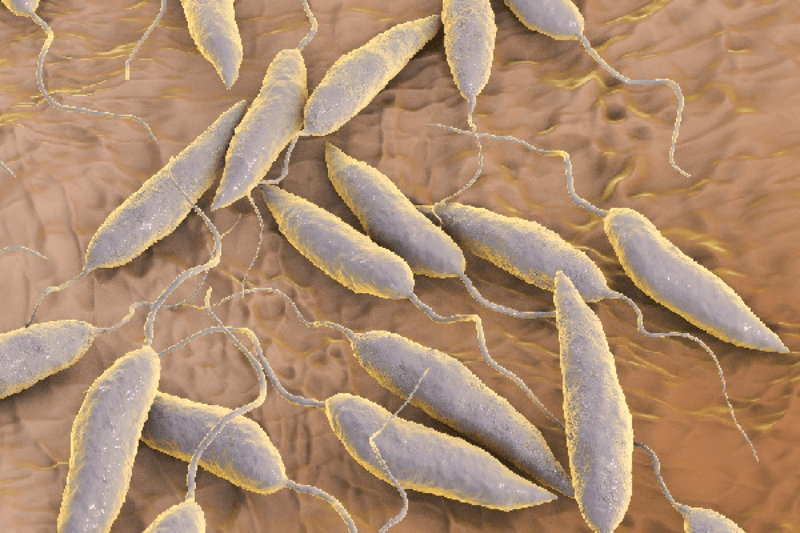
Leishmaniasis is one of the many neglected tropical diseases caused by a parasite which has been passed through the bites of infected sandflies. Primarily, this manifests as cutaneous leishmaniasis. Characterized by painful and disfiguring skin lesions, it’s not fatal, it can create permanent scars. Such impacts in psychology and in society would be mainly suffered by women and children.
Leishmaniasis in Pakistan is a fast growing health crisis particularly in the Khyber Pakhtunkhwa province with more challenges presented by climate change, conflict and poverty. Climate change has also favored its spread since sand flies multiply best under warm, humid conditions, and prolonged droughts, heatwaves and floods spurred on by climate change have favored the multiplication of sandflies.
The region has also experienced conflict making the situation even worse. Wars that have continued for decades in the Afghanistan-Pakistan border region have caused massive displacement, crowded living conditions and poor sanitation that facilitate the breeding of sandflies and the spread of the disease.
The refugee camps and remote tribal regions are at an increased risk with minimal health facilities and required medications available. While the alarming rise in cases over 25,000 reported in 2023 was confirmed, leishmaniasis was underdiagnosed and untreated with poor awareness, a lack of resources and treatment centers. Social stigma and cultural barriers hindered timely medical intervention particularly for women.
The spread of leishmaniasis in Pakistan needs to be addressed through awareness in public health, free medication accessibility, better sanitation and active government initiatives at the grassroots level to provide an early diagnosis and treatment.