Urooj Niazi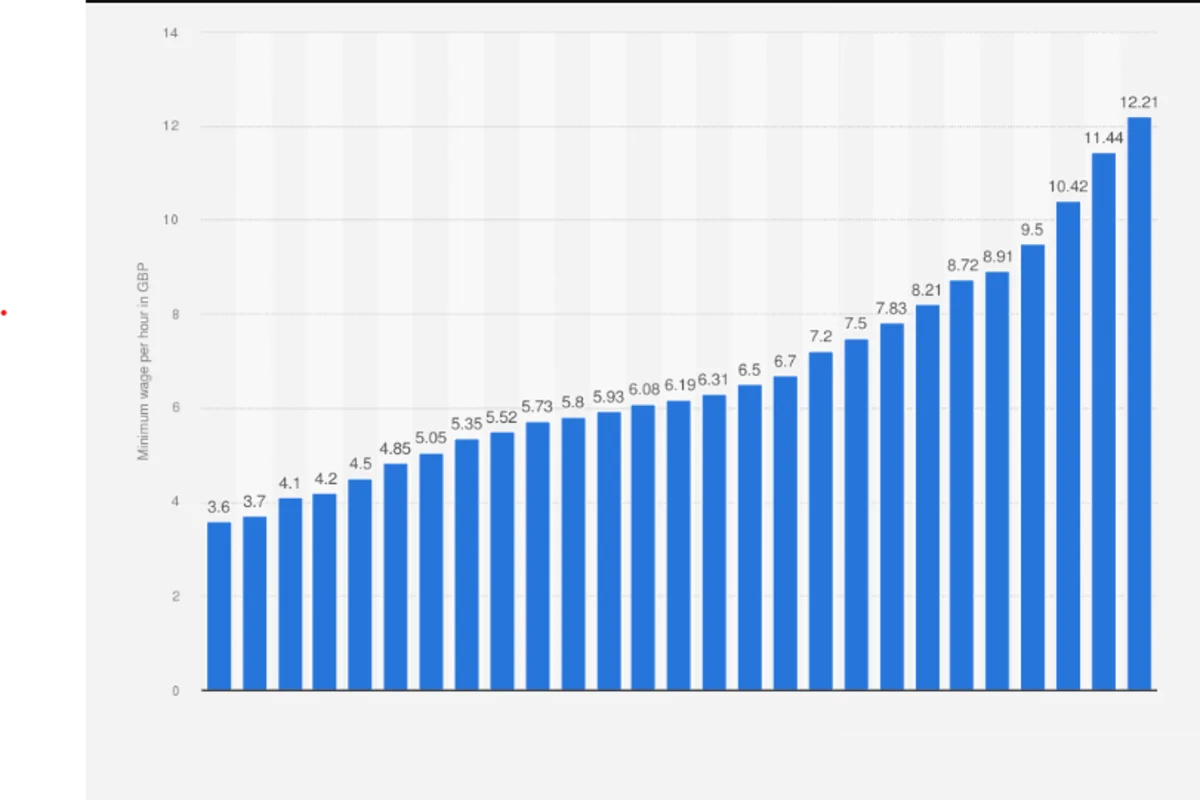
uk raises minimum & living wage rates in 2025
As of 1 April 2025, the United Kingdom has implemented a new set of National Minimum Wage (NMW) rates, following annual recommendations by the Low Pay Commission (LPC). This year’s increases mark a continued commitment to ensuring that wages reflect rising living costs and meet the government’s ambition for fair pay across age groups.
Notably, the National Living Wage (NLW) has been raised to £12.21 per hour for all workers aged 21 and over, after being lowered from age 23 in 2024. This reform builds on a broader policy trend aimed at closing income gaps and helping workers across all sectors withstand ongoing economic challenges, particularly inflation.
The 2025 changes also bring substantial gains for younger workers and apprentices, with some rates rising by up to 18%, a significant adjustment to align pay more fairly across age groups.
New National Minimum Wage Rates – Effective 1 April 2025
| Category | New Hourly Rate | Increase (£) | Increase (%) |
| National Living Wage (21+) | £12.21 | £0.77 | 6.7% |
| 18–20 Year Old Rate | £10.00 | £1.40 | 16.3% |
| 16–17 Year Old Rate | £7.55 | £1.15 | 18.0% |
| Apprentice Rate | £7.55 | £1.15 | 18.0% |
| Accommodation Offset (daily) | £10.66 | £0.67 | 6.7% |
Wage Growth Across Age Groups
The 2025 wage revision notably boosts earnings for both younger and older employees. While workers aged 21 and over benefit from the new National Living Wage of £12.21/hour, younger workers (16–20) receive some of the highest percentage increases in years, up to 18%. This move narrows historic age-based pay gaps, supporting equal opportunity and addressing youth income inequality, particularly in retail, hospitality, and entry-level sectors.
Why the 2025 Wage Increase Is Significant
The cost-of-living crisis has forced thousands of households into financial strain. By raising minimum pay, the government aims to provide relief to low-income workers, boost spending power, and reduce wage inequality.
For a full-time worker aged 21 or over, the NLW now means over £25,300 annually, a rise that aligns with the long-term goal of ensuring wages track two-thirds of the median income. Importantly, these increases are designed not just to protect purchasing power but also to stimulate productivity and reduce in-work poverty.
What is Ahead?
While welcomed by many employees, some small businesses warn of increased operational pressure due to rising payroll costs. The Low Pay Commission is currently conducting regional visits and consultations to assess the long-term impacts of these changes and will offer further recommendations ahead of 2026.
The 2025 wage changes represent more than an adjustment, they reflect a policy shift towards a fairer, more sustainable wage structure in the UK labour market.