Urooj Niazi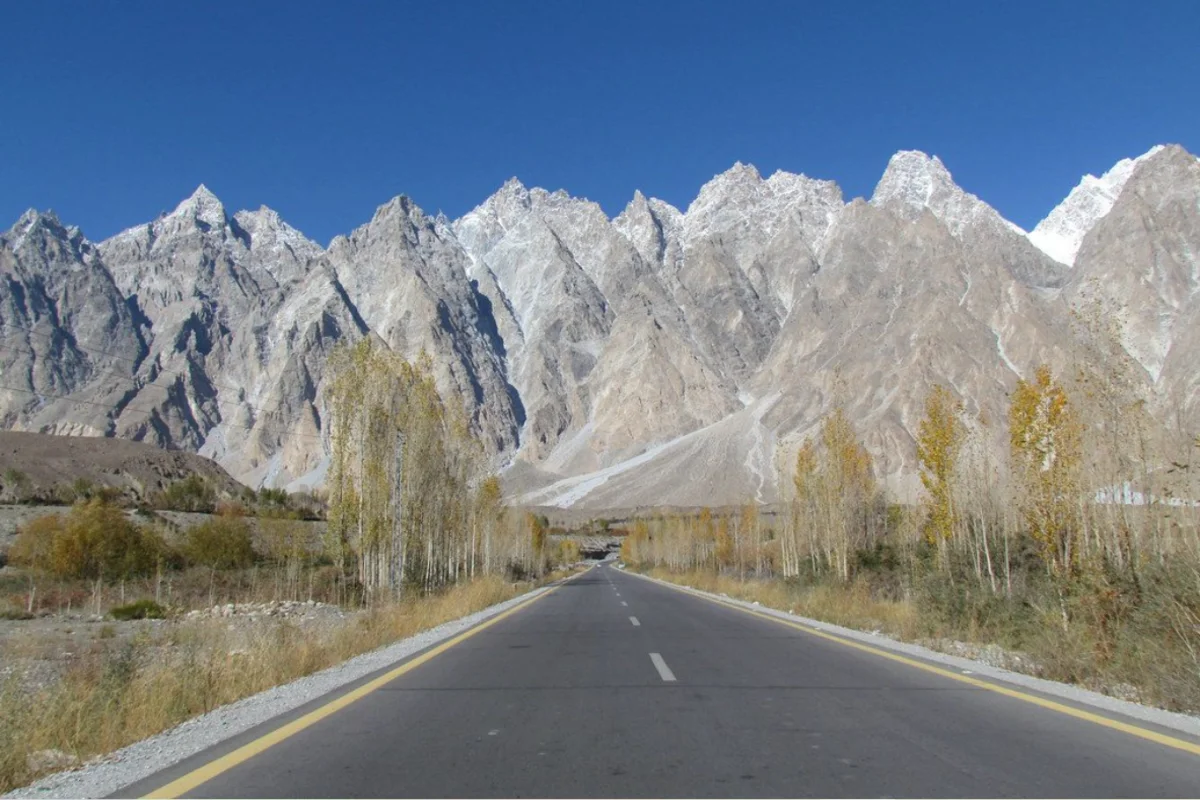
islamabad to hunza valley road trip itinerary & travel guide
The first stretch out of Islamabad always feels too clean. Wide roads, traffic lights, fuel stations with bright signs. But the moment the city slips away, the air changes. It smells sharper, colder, like rain on dust. That’s when the real trip begins.
The drive from Islamabad to Hunza Valley covers about 700 kilometers. It’s a road people dream about, part escape, part test of patience. The Karakoram Highway is the spine of it, cutting through rock and river like it’s been there forever. It’s not a fast road. It’s a road that makes you slow down, that reminds you where you are with every curve.
By the time the car reaches Gilgit-Baltistan, everything feels stripped down. No rush. Just cliffs, water, and sky trading places every few minutes. The silence out here isn’t empty; it’s heavy and full at once.
Route Overview: The Journey Along the Karakoram Highway
The route runs through Abbottabad, Besham, and Chilas before reaching Gilgit and Hunza. The early part of the drive feels like a casual Sunday outing — rolling green hills, roadside fruit stalls, families stopping for breakfast at Balakot. Then the road narrows.
Past Besham, the Indus River appears beside the highway, a constant brown roar. Trucks painted in wild colors crawl past, their horns echoing between the cliffs. The heat rises. The road snakes through gorges where even the air feels old.
Gilgit breaks the spell a bit. The valley widens, and apricot trees pop up near the roadside. From there to Hunza, everything softens, smoother bends, wider views, and that strange calm that comes when the hard part is behind you.
Day-by-Day Islamabad to Hunza Road Trip Itinerary
Day 1: Islamabad to Naran
The drive north through Mansehra and Balakot starts with a mix of fog and pine. After Kaghan, the air turns cold enough that windows start to fog. Naran sits surrounded by hills, small hotels scattered along the river. The sound of rushing water never really stops. People gather around fire pits, boots drying beside heaters, talking about how far they’ll make it tomorrow.
Day 2: Naran to Chilas via Babusar Top
This leg is steep and unpredictable. Babusar Top, at over 13,000 feet, is open only in summer. Sometimes it’s bright and warm, sometimes snowflakes come without warning. The view from the top stops conversation — a horizon filled with ridges fading into each other. The descent toward Chilas is long and dry, the air turning dusty again by evening.
Day 3: Chilas to Hunza via Gilgit
This stretch defines the Karakoram Highway. The Indus hugs one side, rock walls crowd the other. The Rakaposhi viewpoint near Nagar is a good excuse to stop for tea. Locals pour it from chipped kettles, and nobody’s in a hurry. By sunset, Hunza spreads out below, all green terraces and quiet rooftops.
Day 4: Exploring Hunza
Hunza isn’t just a stop; it’s a pause. Baltit Fort sits above Karimabad like a watchtower from another time. Altit Fort feels older still, its wooden beams worn smooth by centuries. Down the road, Attabad Lake shines impossibly blue. It looks almost fake until you dip your hand in. Evening brings cold air and the smell of apricot wood burning in small stoves.
Day 5: Upper Hunza and Khunjerab Pass
Further north, the Passu Cones rise sharp against the sky. The Hussaini Suspension Bridge stretches over the river, swaying just enough to make every crossing feel risky. Khunjerab Pass sits higher than anything else, thin air, biting wind, and a silence that doesn’t let go.
Best Time to Visit Hunza Valley by Road
| Season | Months | Weather | Experience |
| Spring | Mar–May | Mild, clear skies | Blossoms and bright valleys |
| Summer | Jun–Aug | Warm days | Babusar route open |
| Autumn | Sep–Nov | Cool, crisp | Golden leaves, steady roads |
| Winter | Dec–Feb | Cold, snow | Babusar closed, travel via Chilas |
Travel Essentials & Road Safety Tips
- Check tires, brakes, and coolant before leaving.
- Fill fuel at Besham or Chilas; stations after that are rare.
- Carry warm clothes even in summer.
- Avoid driving after dark between Chilas and Gilgit.
- Keep snacks, medicine, and cash — cards don’t work in many places.
Accommodation & Food Stops on the Way
Naran’s hotels lean over the river, windows fogged from kitchen steam. Chilas has plain motels, enough for sleep, not luxury. Hunza’s lodges sit higher up, their balconies opening to the valley.
Food stays simple. Naan hot from a tandoor, lentils, and endless cups of chai. In Hunza, chapshuro, stuffed bread fried crisp, steals the show. Locals press walnut cake into travelers’ hands like a farewell gift.
Cultural & Photographic Highlights
Hunza moves at half the world’s speed. Children chase each other through narrow lanes; old men gather on benches to watch the sunset. Baltit Fort turns golden in the last light, and Attabad Lake glows like melted glass.
The Islamabad to Hunza Valley drive doesn’t feel like a trip, it feels like a long conversation with the mountains. The kind that leaves dust on shoes, windburn on cheeks, and a strange calm that follows home.
FAQs
1. How long does the journey take?
Usually 14 to 16 hours in total driving time, best spread over two or three days.
2. Which route stays open in winter?
The Besham–Chilas route works year-round; Babusar Top closes in heavy snow.
3. What’s essential to pack?
Warm layers, flashlight, water bottle, painkillers, and offline maps. Network drops often.
READ: Discover More About Pakistan