Sana Khalid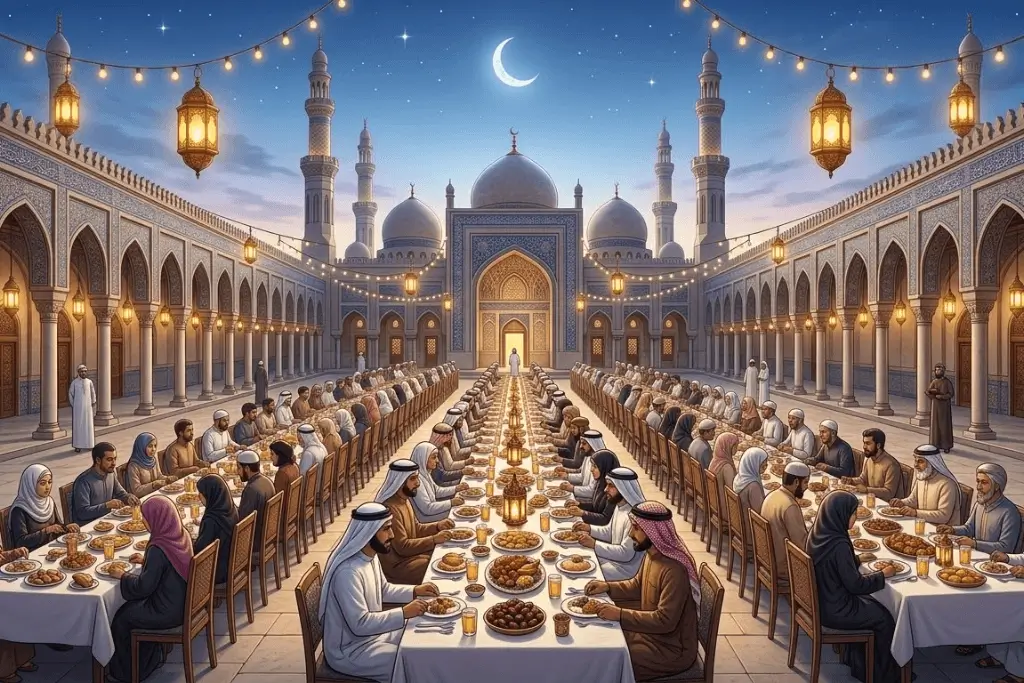
The holy month of Ramadan is being observed across Pakistan, and Ramadan 2026 Iftar Time guides millions of Muslims fasting daily from dawn to sunset. During this sacred month, believers begin their fast at Sehri (Suhoor) before the Fajr prayer and break it at Iftar after the Maghrib prayer.
In 2026, Ramadan in Pakistan began after the moon sighting announcement by the Ruet‑e‑Hilal Committee. Because Ramadan follows the Islamic lunar calendar, Sehri and Iftar times change slightly every day and vary between cities due to geographical differences.
For those observing the fast, keeping track of the daily Sehri and Iftar schedule is essential.
Today’s Sehri and Iftar Time in Pakistan
Sehri and Iftar timings differ slightly depending on the city. Below are the approximate fasting times for major cities in Pakistan during Ramadan 2026.
Karachi
In Karachi, Sehri typically ends around 5:30 AM, while Iftar takes place at approximately 6:39 PM.
Lahore
In Lahore, fasting usually begins with Sehri around 4:59 AM and ends with Iftar at about 6:07 PM.
Islamabad
Residents of Islamabad observe Sehri at around 5:01 AM, with Iftar taking place at approximately 6:12 PM.
Rawalpindi
In Rawalpindi, Sehri is observed near 5:02 AM, while Iftar occurs around 6:12 PM.
Peshawar
In Peshawar, Sehri is usually around 5:07 AM, and Iftar takes place at approximately 6:18 PM.
Quetta
In Quetta, Sehri typically ends around 5:28 AM, and Iftar is observed around 6:38 PM.
These times may change each day slightly as sunrise and sunset shift throughout the month.
Why Sehri and Iftar Times Change Daily
The fasting schedule during Ramadan is determined by the position of the sun. Sehri ends just before the Fajr prayer, which marks the beginning of the fast. Iftar takes place immediately after sunset when the Maghrib prayer begins.
Because sunrise and sunset times gradually change throughout the month, both Sehri and Iftar times adjust by a few minutes daily.
Additionally, cities located in different parts of Pakistan experience slightly different timings due to geographic variations. Click here to know more.
Ramadan Traditions in Pakistan
Ramadan holds deep spiritual significance for Muslims. During the month, believers focus on prayer, charity, and self-discipline while abstaining from food and drink during daylight hours.
At sunset, families gather to break their fast with Iftar meals that often include traditional foods such as dates, samosas, pakoras, fruit chaat, and refreshing drinks. Mosques across the country also host special Taraweeh prayers during the night.
The month concludes with the celebration of Eid al-Fitr, one of the most important festivals in the Islamic calendar.
Final Note
Sehri and Iftar timings may vary slightly depending on local mosques and regional moon-sighting announcements. Muslims are encouraged to follow the official schedule released by their city’s religious authorities or mosques for the most accurate timings.
As Ramadan continues, accurate Sehri and Iftar schedules help Muslims observe their fast properly while maintaining the spiritual significance of this blessed month.