Maria Imran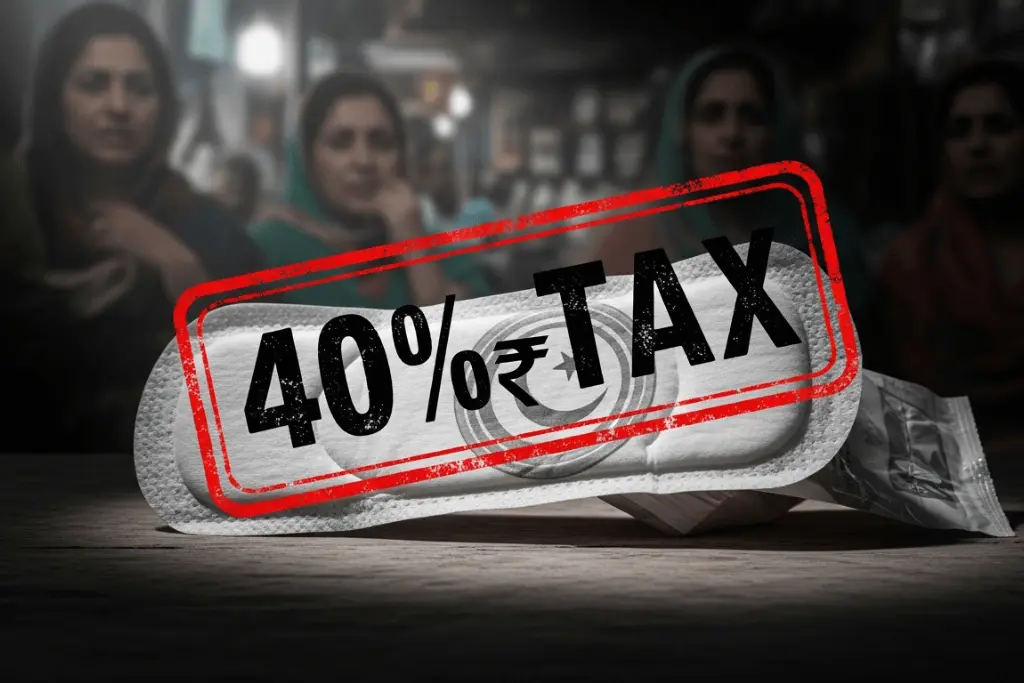
The Pakistan menstrual pads tax has once more ignited the discussion as period products are still being labeled as luxury items in the country. Although the world has made significant advancements in the area of menstrual health and hygiene, the Pakistan menstrual pads tax still stands at a staggering 40 percent that prices out millions of women and girls from basic sanitary products. The taxes on pads in Pakistan are hurting the already poor people by making it harder for them to go to school, depriving them of good health, and robbing them of their dignity. It is hard to believe that while many countries have included menstrual products in their list of essential goods, Pakistan’s tax on pads has made it quite the opposite which has not only brought about criticism from rights groups but also international watchers.
Why the Pakistan Menstrual Pads Tax Is Under Scrutiny
A UNICEF report of 2025 states that Pakistan does not have a national policy on menstrual health and hygiene and this has intensified the impact of the Pakistan menstrual pads tax. The advocates claim that the Pakistan menstrual pads tax is in direct contradiction to the constitutional exemptions given to other essential items. The campaigners have gone to the extent of filing petitions and lawsuits to get rid of the Pakistani tax on menstrual pads, but the hearings have been postponed due to the prevailing political instability. Between this scenario and India which repealed its menstrual tax in 2018, and, consequently, increased access and affordability, lies the difference. The experts have the prediction that if the Pakistan menstrual pads tax is not lifted ever so soon, the problem of gender inequality along with health risks would only continue to escalate. Click here to visit for more details: https://thepakistan.pk/