Adeel Hassan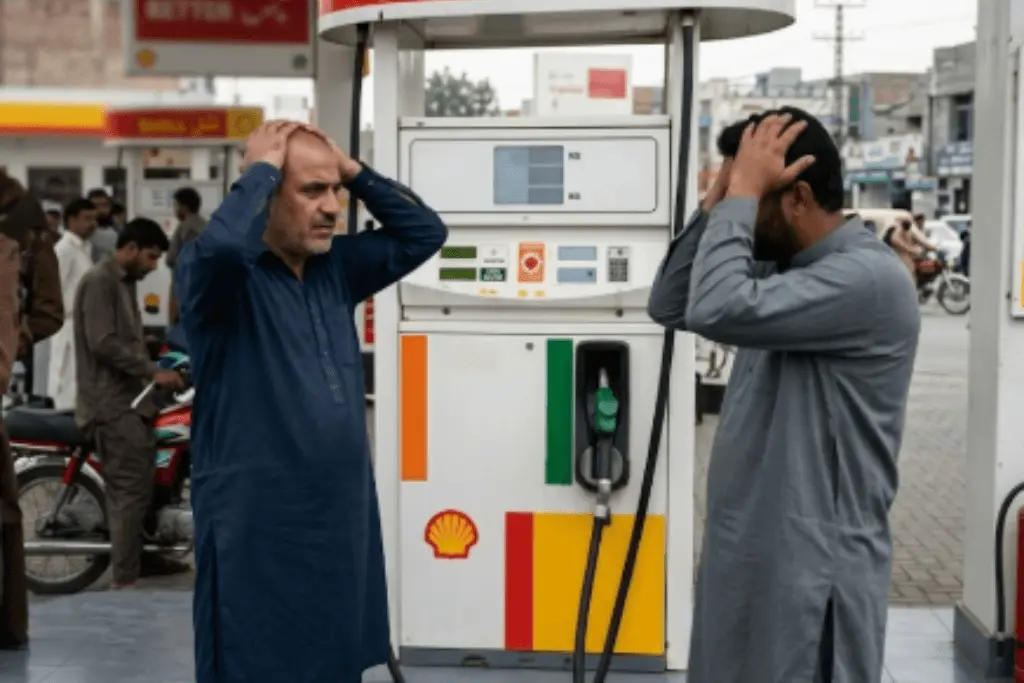
Pakistan Fuel Prices Surge as Pakistan’s jump to Rs458.40 for petrol and Rs520.35 for high-speed diesel was not a routine revision. It came after a sharp global oil shock tied to the latest Middle East conflict, with supply fears around the Strait of Hormuz pushing energy-importing countries into stress mode. Pakistan, which relies heavily on imported oil, said it could no longer hold back domestic prices through blanket subsidies without worsening fiscal pressure. Reuters reported that the new rates took effect in early April, with officials framing the move as unavoidable.
The Global Oil Shock Hit Pakistan Fast
The first reason was external. International crude prices moved up after the regional conflict deepened, and Pakistan’s import bill came under instant pressure. Officials linked the hike directly to that global disruption, especially because Pakistan sources much of its oil through routes exposed to Gulf instability. In simple terms, when imported fuel gets costlier that quickly, a country already under economic strain feels it at the pump almost at once.
Subsidies Became Hard To Defend
The second reason was budget pressure. Pakistani ministers said blanket fuel subsidies were no longer sustainable, and reporting also pointed to IMF pressure against fuel-price “distortions.” That matters because once the government keeps retail prices artificially low, it has to absorb the gap somewhere else, either through borrowing, tax reshuffling, or cuts in spending. At this point, Islamabad chose targeted support over broad relief.
Why Diesel Hurt Even More
Diesel climbed harder than petrol, which is why this became a wider cost-of-living story, not just a commuter story. Diesel powers freight, agriculture, and a large share of commercial transport. When diesel jumps above Rs520, the impact usually spreads into food logistics, bus fares, goods movement, and business overhead. That is also why the public response turned sharper after the announcement. AP reported concerns that low-income households would carry most of the burden.
What Happened After The Hike
The backlash was fast. Reports showed protests, pressure on the government, and relief steps such as free public transport in Islamabad and Punjab for a limited period. Some later reports also said petrol saw a partial rollback after the outrage, which shows how politically explosive the increase became. Still, the original price jump told a clear story: Pakistan was squeezed by imported inflation, conflict-driven oil volatility, and a narrow fiscal margin at the same time.
FAQs
Why did Pakistan increase petrol prices so sharply?
Because global oil prices surged and the government said broad fuel subsidies were unaffordable anymore.
Why is diesel more expensive than petrol now?
Diesel pricing was hit harder by import costs, taxes, and supply-linked pressure.
Did the IMF play a role in this decision?
Reports say IMF pressure against price distortions added to the government’s policy constraints.
How will this affect ordinary people in Pakistan?
Transport, food delivery, commuting, and business costs may all rise after diesel shocks.
Was any relief announced after the increase?
Yes, authorities announced targeted relief and temporary free public transport in some areas.