Adeel Hassan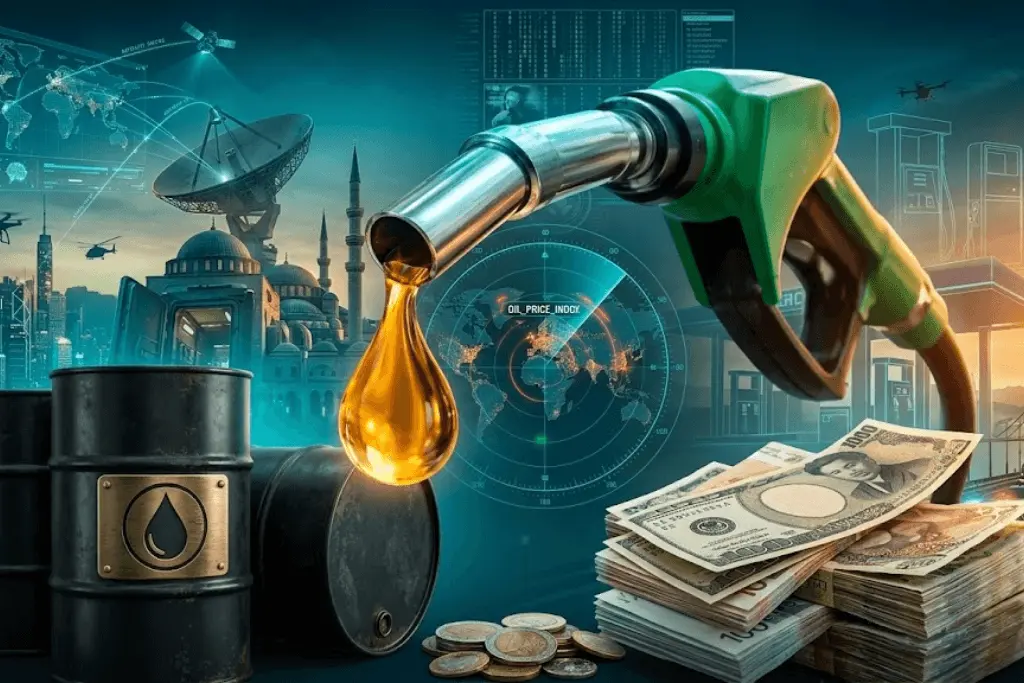
It starts with a simple stop at a fuel station during the ongoing Fuel Crisis. You expect the usual routine. But the numbers have changed. You look twice and might even ask the attendant. As you drive away, one thought stays in your mind. This feels bigger than just a price hike.
Why are high-octane prices rising in Islamabad?
This story does not begin in Islamabad. It begins far away. Tensions in the Middle East are rising. The situation between Iran and Israel is making global markets nervous. There is also concern around the Strait of Hormuz. This is a narrow route where a large part of the world’s oil passes daily. Even a small risk in the area can boost the prices.
Here are some of the main reasons:
- Iran and Israel tensions are increasing the global oil prices
- Fear around the Strait of Hormuz is affecting the supply
- Pakistan imports fuel, so global changes hit quickly
- The weak rupee makes fuel more expensive locally.
What feels local is actually part of a global chain.
How is this affecting daily life?
Back in Islamabad, the impact feels very real. People are slowly changing their habits.
- Short trips are being avoided
- People are combining errands
- Some are using bikes and public transport more
These are some of the small changes. But together, they show how life is being adjusted.
What are people noticing at petrol stations?
There is a quiet change at petrol pumps. People are more aware now. They look at the meter closely. They think before asking for a full tank.
You can notice it in some simple ways:
- People pause before deciding how much fuel to take
- Conversations about prices are more common
- Many are checking updates on their phones
It feels less routine and more serious now.
Who is affected the most?
Some people feel the impact immediately. For others, it builds slowly with time.
- Delivery riders spend more but earn the same
- Taxi drivers see the profit reduction
- Families face higher transport and daily costs.
For many, every rupee matters at this point.
Is this the start of a fuel crisis?
This is the question people are asking. Some think it is just a temporary increase. Others feel that it can grow into something bigger. A fuel crisis does not happen in one day. It builds step by step. Rising prices are often the first sign. Right now, people are not sure and watchful. Visit this site for more updates.
What happens next?
It all depends on global events. If the tensions reduce, prices might settle. If things get worse in the Middle East, prices may rise again.
For now, life continues. Roads are still busy. Cars are still moving. But every visit to a fuel station feels different now. It feels like checking what might come next.