Urooj Niazi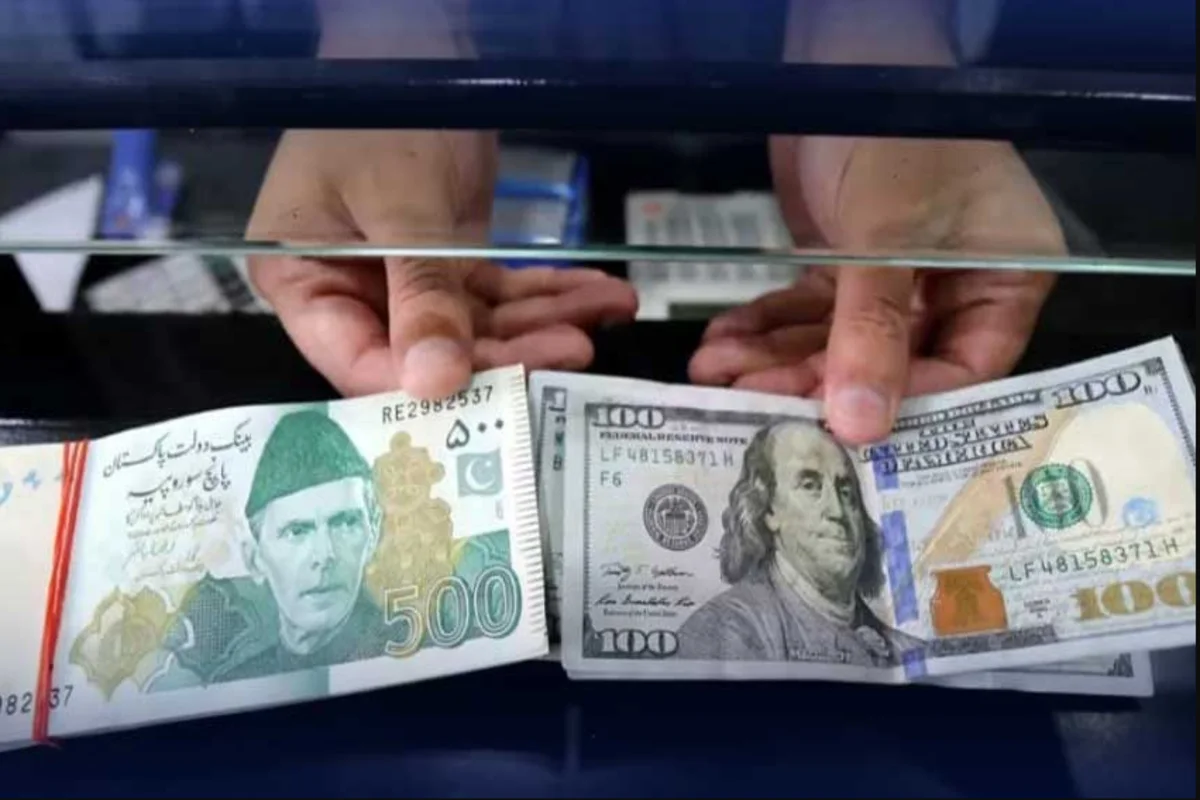
today’s currency exchange rates in pakistan
Every shop window displaying currency boards has its own story. People lean in, squint at the digits, and sometimes walk away shaking their heads. A small swing in rates can change the cost of airline tickets, imported medicine, or university fees abroad.
In Pakistan, families sending money back home or planning to travel keep a constant eye on the US Dollar, Pound, Euro, Dirham, and even regional units like the Taka and INR. The figures are not abstract. They touch daily life in very direct ways.
US Dollar to PKR Exchange Rate Today
The Dollar dominates the market in Pakistan. At around 282.2 PKR buying and 283.0 PKR selling, it sets the pace for most other currencies. Mid-market platforms quote about 283.6 PKR, a hair above open counters. For the shopkeeper importing electronics through Karachi Port, that difference is enough to cut into margins. For parents wiring tuition to the United States, even fifty paisa more per Dollar adds up across semesters.
The Dollar does not just measure imports. It also dictates how much money comes into the country through remittances. Thousands of families in Faisalabad, Multan, and Karachi depend on relatives in New York or Houston. When those families receive Dollars, they count carefully what reaches them after exchange. Every decimal matters.
Indian Rupee (INR) and Bangladeshi Taka (BDT) Exchange Rates
The Indian Rupee trades at roughly 3.22 PKR per unit. It looks small compared to the Dollar, but its importance is not. Along border regions and in trade settlements, this figure is checked just as often as bigger currencies. The Bangladeshi Taka stands near 2.42 PKR on mid-market boards.
Textile importers in Lahore, who source fabrics from Dhaka, often grumble when the Taka rises. They know the cost will show up in every roll of cloth. Families with cross-border ties also keep their eyes on it, especially where remittances flow between Pakistan and Bangladesh. The sums may be smaller, yet they mean groceries, rent, and bills in real life.
Euro and British Pound Exchange Rates in Pakistan
The Euro today sells for 331.5 PKR, with the buying side at 329.7 PKR. A mid-market glance places it closer to 333.8 PKR. For students paying semester fees in Germany or Italy, the increase bites into savings. A few rupees higher, and the family budget needs reshuffling.
The British Pound stretches further. At 382.0 PKR in open counters and nearly 384.8 PKR in mid-market quotes, it remains among the most expensive currencies against the rupee. The Pound’s weight is felt in every remittance.
A worker in Manchester sending 500 Pounds home calculates nervously, knowing how many rupees will reach his family. Parents in Rawalpindi and Lahore often line up at counters in August and September when tuition deadlines approach. A rise in the Pound feels like another tuition hike.
Dirham, Canadian Dollar, and Australian Dollar Updates
The UAE Dirham stands at 76.85 PKR buying and 77.05 PKR selling. This rate carries more than digits. It represents lifelines for entire communities. Remittances from Dubai and Abu Dhabi keep small towns running across Punjab and Khyber Pakhtunkhwa. When the Dirham shifts, shopkeepers in those towns notice sales moving in step.
The Canadian Dollar trades around 204 PKR buying and 209 PKR selling, with mid-market rates near 205.4 PKR. Students in Toronto or Vancouver wait for every update, their parents calculating deposits and rent against these numbers. For migrants working shifts in Calgary or Ottawa, sending money home depends on catching the right day. Even one rupee difference per Dollar changes how much their family receives.
The Australian Dollar sells at 189 PKR, slightly above its mid-market rate of 187.3 PKR. Migrants in Melbourne or Sydney often send funds at the end of the month. Parents in Islamabad sometimes time their transfers based on these updates. Rent, groceries, and fees abroad all tie back to these figures.
Factors Driving Today’s Currency Fluctuations
Rates do not swing in isolation. The Dollar moves with oil prices in global markets. When oil climbs, importers rush to buy Dollars, pushing demand higher in Pakistan. Inflation numbers out of Europe ripple into the Euro. Political shifts in the United Kingdom give the Pound a shove.
Local reserves also shape the rupee. When the State Bank’s reserves climb after an IMF tranche or bilateral deposit, the rupee steadies. When reserves shrink, panic spreads through the market. Dealers in Saddar Karachi describe mornings when queues stretch out the door, everyone wanting Dollars at once.
Then there are quiet weeks when only a handful walk in. Seasonal patterns add another layer. Hajj season raises demand for Riyals and Dirhams. Admission season abroad pushes up Dollars, Pounds, and Euros. Each phase leaves its own mark on the open market boards.
What These Rates Mean for You?
Today’s numbers affect daily lives across Pakistan. A family in Multan waiting for 1,000 Dirhams calculates rent money the moment it arrives. A shop importing spare parts from Japan pays more when the Dollar edges higher. Students abroad text their parents late at night, worried about the next semester fee.
Currency exchange shapes decisions quietly. Should a family send money today or wait another week? Should an importer lock a deal now or gamble on a stronger rupee? These questions are asked in crowded exchange shops, in WhatsApp groups, and over dinner tables. The boards in Saddar, Lahore’s Liberty Market, or Islamabad’s Blue Area are not just numbers. They are signals guiding choices.
Pakistan’s rupee continues to face pressure from global and domestic forces. The Dollar sets the benchmark, but every other currency tells its own story. For some, it is about education. For others, it is about survival. That is why the question echoes across markets each morning: what is the rupee worth today?