Sana Khalid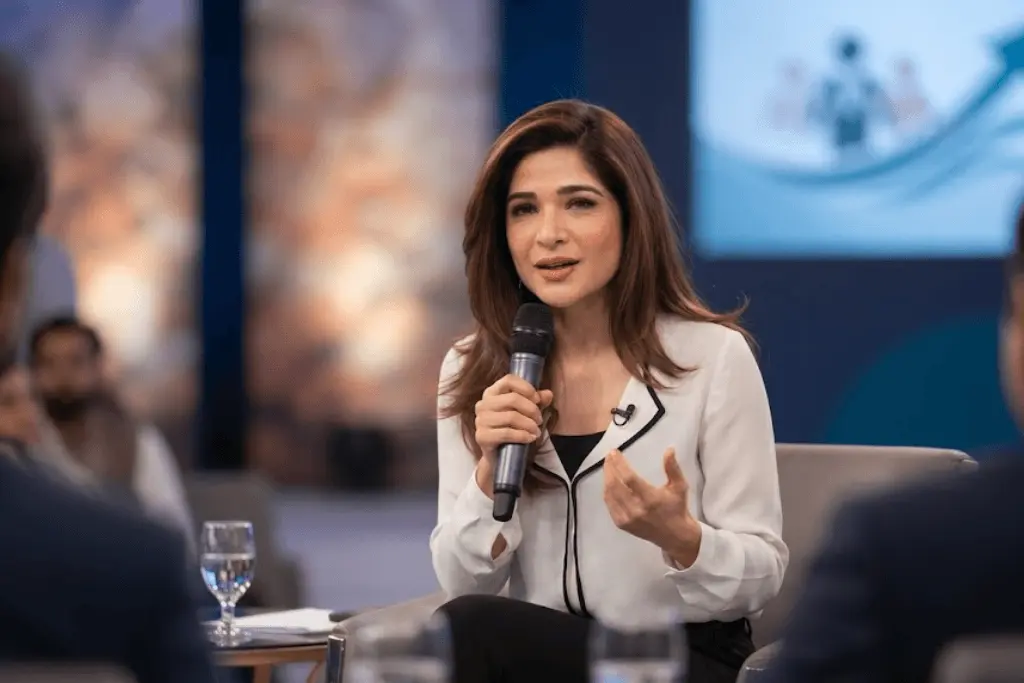
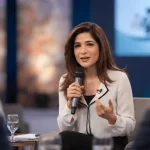
Pakistani actor and activist Ayesha Omar has dismissed the idea that Ayesha Omar feminism is about being anti-men. The actor took to Instagram to raise awareness about violence against women in Pakistan and other countries through recent posts. Her comments focused more on responsibility, gender equality and the obligation of communities to confront destructive behaviour.
Omar shared a quote from a woman named Nadia Carly, asking why the word feminism makes some men uneasy. The message demonstrated that feminism is about fighting against abuse, sexism, misogyny and harmful behaviour, not against men as a whole. Omar’s accompanying posts linked the discussion to reported cases of violence against women.
The intervention builds on Omar’s longer history of public engagement with gender equality and harassment. Her advocacy has included discussions on the experiences of women in Pakistan’s entertainment industry and the need for safer social and professional spaces.
Omar’s Advocacy On Women Still At The Heart Of Pakistan
One of the cases cited by Omar was of an alleged attack on a pregnant woman in Gujranwala. After a family learned through an ultrasound that the woman was expecting another daughter, the incident occurred, she said in the report. The charge has pointed to the larger problem of violence linked to gender discrimination.
The attention to a case from Pakistan brings gender-based violence into a wider social conversation about women’s safety and dignity. Public discussion can help raise awareness if allegations are responsibly addressed and if attention is maintained on accountability, legal protection and support for women affected.
In Pakistan, public advocacy has also been witnessed in high-profile cases of violence against women. Earlier, Omar also spoke out along with several other Pakistani celebrities demanding justice after the murder of Noor Mukadam in Islamabad, proving her public advocacy for women’s rights extends beyond just one social media conversation.
Omar Calls For Men To Be More Responsible
A central theme of Omar’s latest message was the obligation of men to call out bad behaviour among their peers. Her posts didn’t frame gender equality as a war of the sexes, but instead focused on accountability and how people can help stop abuse and harassment.
This approach combines social responsibility with formal legal mechanisms. Families, workplaces, schools and communities all have a role to play in shaping how allegations of harassment and violence are dealt with, and responsible intervention can help to prevent harmful conduct from becoming normalised.
Omar’s comments also reflect a larger debate over what feminism means in Pakistan. Her position has been concerned with equal opportunities for men and women, but has also included the different standards and pressures women face in the media industry, as has already been reported.
Violence Against Women Remains A Wider Regional Problem
Omar’s Instagram stories also referred to alleged incidents outside Pakistan, including protests in New Delhi following reports of the gang rape of a 17-year-old girl at Aastha Kunj Park near Kalkaji Temple. On September 23, Lady Shri Ram College students and other Delhi University students reportedly staged protests demanding more safety and accountability.
India and the United States have also supplied cases so that the discussion is not limited to one country. It portrayed violence against women as an issue that exists across societies with different legal systems and cultural settings, but also underlined the importance of effective institutional responses.
Women’s Safety Has Also Been Part Of Omar’s Public Work
Omar’s recent comments are no outlier in a broader pattern of speaking about women’s safety and harassment. In June 2026, she joined actor Aliya Ali at a London event on the topic of women’s safety, urging men to take more responsibility and calling for greater public discussion on the issue.
Her advocacy has also included online harassment and privacy. In 2026, Omar spoke about the non-consensual sharing of private photographs and the professional and personal fallout that followed from the incident. The discussion was within a report containing women’s experiences of online abuse.
This is a growing concern, as digital platforms give rise to new forms of harassment. The unauthorised sharing of photographs, doctored images and other forms of online abuse can cause reputational and social harm, and digital safety is an important extension of wider conversations about women’s rights.
Need For Constructive Engagement In Discussion On Gender Equality In Pakistan
Feminism in Pakistan is a conversation of equal opportunity, personal safety, workplace behaviour and social attitudes. Omar’s latest intervention places these issues within the framework of accountability, rather than framing feminism as an ideological debate per se.
Constructive engagement can help to clarify the difference between actual concerns for women’s safety and misunderstandings about gender equality. Greater awareness by families, employers, educational institutions and communities can help create environments where harassment and violence are not ignored, but addressed.
For Pakistan, ongoing public debate can also contribute to the institutional efforts to safeguard women. Increased awareness, responsible reporting, effective legal mechanisms, and support for victims can all combine to create safer environments and encourage greater female participation in professional and public life.