Adeel Hassan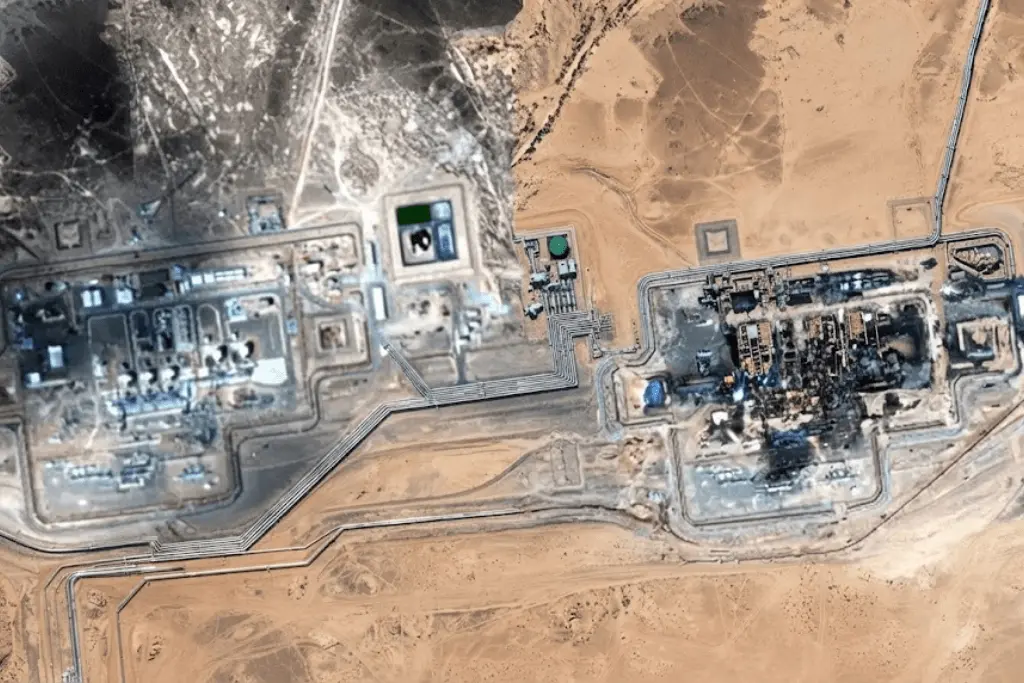
Saudi Arabia’s critical East-West crude Saudi oil pipeline is set to get back up and running within days following a drone attack that knocked out a key pumping station for a short period. The development has drawn international interest as the pipeline offers a significant alternative route for Saudi crude exports to Red Sea ports.
The disruption is expected to last days, not weeks, US Energy Secretary Chris Wright said on September 15. But other reports from regional officials and industry sources have suggested it will take much longer to repair the damaged pumping facility and that there is uncertainty about how long it will take to fully restore.
Saudi East-West Pipeline Temporarily Shut Down By Force
The East-West pipeline is about 1,200 kilometres in length and crosses Saudi Arabia. It is one of the key components of the kingdom’s oil transport infrastructure. The system allows crude to reach Red Sea export terminals, cutting the need to use Gulf routes and giving Saudi energy shipments more flexibility.
Saudi authorities shut down the system as a precaution after a drone attack launched from Iraq struck a major pumping station linked to the pipeline. The temporary closure has raised fears across global energy markets as the pipeline can carry a large amount of crude toward ports on the Red Sea.
Pipeline Transports Significant Portion Of World Oil Supply
The East-West pipeline is strategically important beyond Saudi Arabia, as it can carry some 4 per cent of the global oil supply to Red Sea ports. Its role provides Saudi Arabia with an alternate export route when conditions affecting Gulf shipping pose additional risks.
The pipeline is especially important when there are disruptions around the Strait of Hormuz and other regional waterways. Access to the Red Sea could offer more shipping options for crude to international markets, including outside the Gulf.
Chris Wright Expects Operations To Restart In A Matter Of Days.
US Energy Secretary Chris Wright has said the pipeline shutdown should be temporary and operations may resume within days. The assessment provides a more immediate view of the return of the key crude transportation route after reported drone damage.
This runs contrary to other estimates, which say it could take three to five weeks to fix the broken pumping facility. The discrepancy takes into account uncertainty about how much damage has been done to the infrastructure and the technical work required before the pipeline can safely resume normal operations.
Repair Work May Take Longer Than Initially Thought
Officials in the region and industry sources said full repairs could take several weeks, with estimates ranging from three to five weeks. Such a timeline suggests a much longer disruption than the days-long forecast from the U.S. energy secretary.
Pumping stations are a necessary part of long-distance oil pipelines. They maintain the pressure needed to move crude oil over long distances. Damage to just one facility can, therefore, mean lengthy inspections, replacement of equipment and testing before normal operations can safely restart.
Saudi Arabia Has Other Export Arrangements
Saudi Arabia has been making alternative arrangements to keep crude flowing while the East-West pipeline is offline. They are diverting some exports and also dipping into existing inventories to meet supply commitments during the temporary disruption.
Saudi Arabia has some room for manoeuvre because it has storage and other transportation modes. These measures can help to alleviate the immediate impact of an infrastructure outage and ensure crude deliveries while repair crews work on the damaged facility.
Global Oil Markets Eye Saudi Pipeline Repairs
Saudi Arabia is one of the world’s top oil producers, and the pipeline disruption is being closely watched by energy markets. Disruption to the flow of Saudi crude can affect expectations around supply to be had and regional energy security.
The possible effect is much larger if the pipeline shutdown is coupled with wider instability affecting Middle Eastern energy infrastructure and shipping lanes, and traders and governments are watching these developments closely, as any further disruptions could increase the risk of tighter supplies.
Red Sea Route Becomes More Strategically Important
The East-West pipeline allows Saudi Arabia to reach Red Sea ports, making the route strategically important for energy exports in times of uncertainty around Gulf shipping lanes, and its location allows the crude to avoid some of the maritime risks of moving the oil through the Gulf.
The drone strike being reported underscores how vulnerable key energy infrastructure is amid the regional conflict. Pipelines, pumping stations, ports and storage facilities can also be disrupted and thus affect energy markets without any direct interference in offshore production. They are therefore potential strategic targets.
Attacks on oil facilities in Saudi Arabia have occurred in the past, highlighting the ongoing security concerns surrounding critical energy infrastructure, and the latest incident adds to the concerns of regional governments and international energy companies operating across the Middle East.
Saudi Pipeline Reopening May Ease Supply Fears
If achieved, a return to normal operations in days would help ease immediate concerns around the disruption of Saudi crude transportation. It would also open up a key export route and ease pressure on other shipping and storage arrangements.
Saudi Arabia’s East-West crude oil pipeline remains a vital part of the kingdom’s wider energy infrastructure, linking important oil-producing areas with Red Sea export points. Its strategic importance is further enhanced when regional maritime routes face increased security threats.
The latest drone interference temporarily disrupted that flexibility, but Saudi Arabia is functioning under alternative arrangements while repairs continue. The range of estimates for the reopening date stems from the fact that the final restoration plan depends on technical assessments and the repairs needed. Visit The Pakistan for more updates.