Farhan Qureshi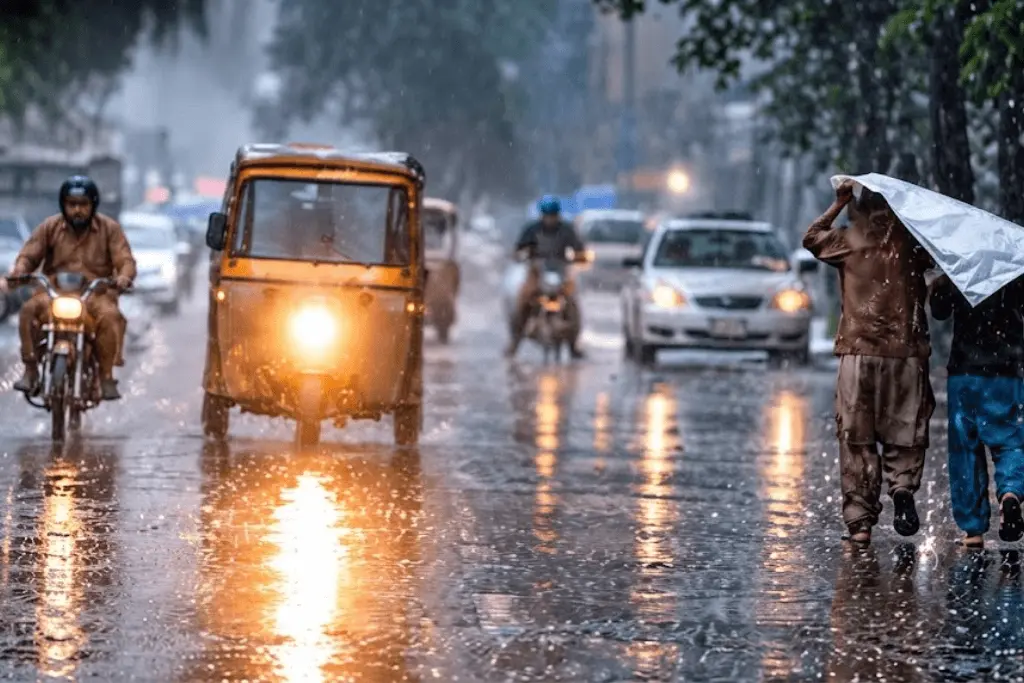
Punjab is facing yet another spell of unsettled weather as the province readies for the Punjab monsoon spell, described as the Ninth and Last Monsoon spell of 2026. The Provincial Disaster Management Authority has issued a high alert to the province, anticipating sporadic to heavy rainfall in various districts until September 17.
A westerly wave affecting upper parts of Pakistan is strengthening the latest weather system. The mix of monsoon moisture and the emerging weather pattern could bring periods of heavy rain, particularly to areas already prone to pooling water, fast-moving runoff and drainage pressure.
The latest spell comes after a monsoon season that has repeatedly tested Pakistan’s disaster management and urban drainage systems. As the latest spell of rainfall unfolds, authorities are thus focusing on early preparedness, keeping a watch on vulnerable spots and coordinating with district administrations.
Heavy Rain Lashes Cities In Punjab
Some of the major urban centres like Lahore, Rawalpindi, Gujranwala and Faisalabad still remain among the areas at an increased risk of urban flooding. When heavy downpours occur in a short time, this can put a lot of pressure on drainage networks, particularly where the rainfall is greater than the capacity of existing channels and pumping systems.
Even if rivers and larger watercourses stay within their normal bounds, urban flooding may affect roads, public transport, electricity services and normal commercial activity. Low-lying neighbourhoods and places with poor drainage can collect water very quickly during heavy rain, so it’s important to clear and monitor them promptly.
This warning by the PDMA provides an important framework for the provincial and district administration to prepare for these risks. Drainage teams, emergency services and local administrations can be key to minimising disruption by monitoring vulnerable spots and reacting quickly to rises in rainfall intensity.
Flash Flood, Landslip Warning In Mountains
Not only are big cities of Punjab in danger, but mountainous areas can also be in tough conditions. Heavy rainfall in the higher terrain particularly affects Murree and the Galiyat area, where landslides, falling debris and rapidly rising rain-fed streams are common.
In hilly country, flash flooding can develop quickly as water funnels through narrow valleys and natural channels. Roads connecting mountain communities can be hard to traverse if runoff damages surfaces or debris covers critical routes, so continued monitoring in the event of heavy rain is particularly important.
Planning in these areas can help protect communities and reduce disruption to transport and local economic activity. As the weather system moves across the province, close coordination between district authorities and emergency services, early warnings and timely movement from highly exposed locations remain valuable tools.
Pakistan Steps Up Readiness For Weather-Related Risks
The latest alert also points to the increasing importance of disaster preparedness in Pakistan, where changing rainfall patterns and more intense weather events can place a strain on infrastructure and communities. Provincial institutions like PDMA also have an important role in coordinating responses before weather-related hazards occur.
Punjab’s large population and widespread urban network make effective weather monitoring especially important. Heavy and sustained rain can have wider economic implications if drainage systems get choked in major hubs like Lahore, Rawalpindi, Faisalabad and others where large-scale commercial, industrial and transport operations are located.
Further investment in resilient infrastructure, better forecasting and coordinated emergency planning can increase Pakistan’s resilience to future climate-related stress. The current spell is, therefore, another challenge for weather preparedness, and another opportunity to improve preparedness and make the province’s resilience stronger.
Final Monsoon Spell Demands Continued Vigilance Of Public And Officials
During the forecast period to September 17, authorities are likely to keep their focus on rainfall intensity, urban water accumulation, flash flooding and landslip risks. Local monitoring is vital, as conditions can vary dramatically from district to district even when the forecast is for intermittent rainfall over the wider area.
Provincial and district authorities are expected to keep a close eye on vulnerable communities and infrastructure during the spell. Good communication can also reduce avoidable risks by making sure warnings reach residents in areas exposed to flooding, landslides and rapidly rising streams.
The last monsoon spell of 2026 will be quite challenging, but good institutional preparedness may reduce its impact. Further coordination between PDMA, local administrations, emergency services and communities can further build Punjab’s resilience, while ensuring a safer transition to the post-monsoon period.