Adnan Farooq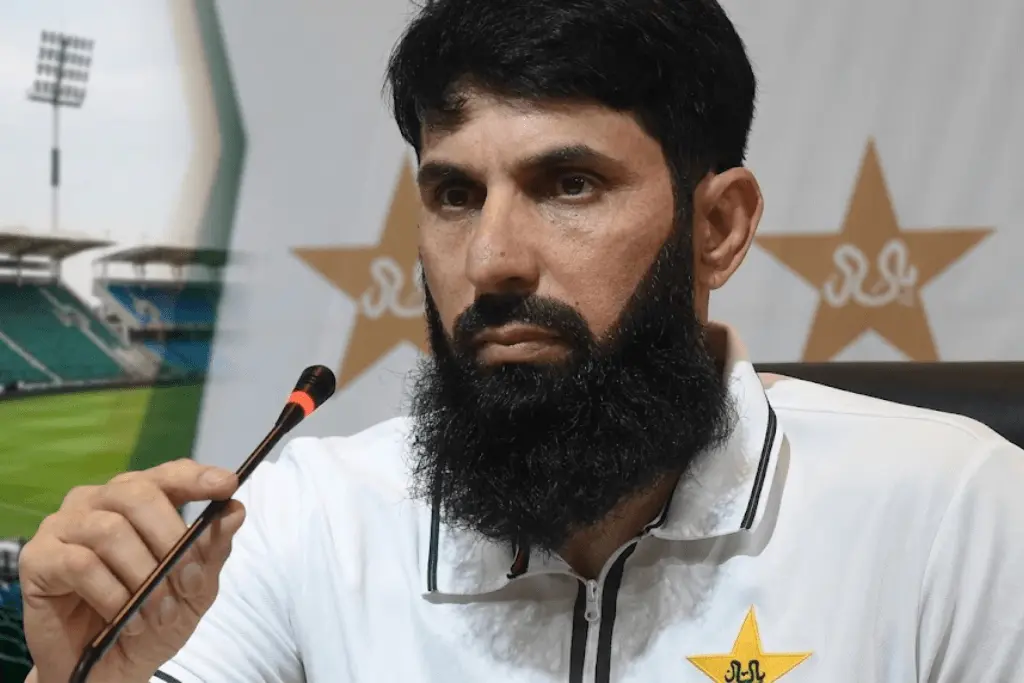
Former Pakistan captain Misbah-ul-Haq has questioned the apparent double standard in the treatment of foreign and local coaches in Pakistan cricket. His comments came following a major Test squad shake-up after the England tour, where the Pakistan Cricket Board released seven players and two coaches, including head coach Sarfaraz Ahmed, from the Test group.
Misbah, who recently resigned as Pakistan’s national selector after the PCB issued a show-cause notice to members of the selection committee, argued that local coaches are often put under more scrutiny than foreign coaches. Foreign coaches are given more authority and comparatively less criticism when results go south, while Pakistani coaches come under pressure sooner, he said.
Pakistan Cricket’s Coaching Debate Is On Accountability
He made it clear that it was not an opposition to foreign expertise. Foreign coaches can bring international experience, different tactical approaches and exposure to other cricketing systems, all of which can benefit Pakistan when there is a clear long-term framework in place for such appointments.
The concern, rather, is consistency and accountability. While fans, critics, media and PCB were demanding immediate answers from the local coaches, they could also develop a softer approach toward the overseas coaches, Misbah said. These differences are damaging to Pakistan’s attempts to create a cohesive coaching culture that maintains performance standards no matter the nationality.
PCB’s Test Shake-Up Sparks Questions On Stability
The debate assumed greater significance after Pakistan had been crushed in the first two Tests against England. Pakistan lost the first Test at Headingley by an innings and 103 runs and then the second at Lord’s by 194 runs, putting the coaching structure and the wider team management under pressure.
The PCB responded by sending home seven players and two coaches before the tour was over. The final match saw Mike Hesson and former Australia seamer Ashley Noffke added to the Test set-up, and the changes added to wider concerns about whether Pakistan cricket is operating with a clearly defined long-term plan or simply reacting to individual results.
Misbah Asks For Patience, Not Reactive Decisions
Misbah has stated that Pakistani cricket needs more patience and detailed performance analysis rather than quick-fire changes under pressure. His use of the term cosmetic surgery to describe the latest moves suggested that he felt that removing individuals may not address deeper structural weaknesses within the national team.
A more stable approach would enable selectors, coaches and players to work toward clearly established objectives over several series. That sort of continuity may be particularly important for Pakistan in the Test arena, where technical development, match awareness and mental resilience require consistent exposure, not one-off interventions.
Local Coaching Talent Still An Important Asset In Pakistan
Pakistan has a vast pool of ex-international cricketers with a good understanding of home conditions, nurturing of players and the demands of international cricket. This expertise can be utilised more, not necessarily by avoiding foreign coaches, but by having a more balanced system where Pakistani professionals are given meaningful responsibilities and opportunities for growth.
They know the ways to take Pakistan’s players from domestic cricket to the national team. A more robust coaching structure could marry that knowledge with international expertise while maintaining consistent standards of performance, authority and accountability across appointments.
How Long-Term Planning Can Strengthen Pakistan Cricket
Misbah’s bigger argument isn’t about where coaches are from, but about the importance of a long-term cricketing plan. He has pointed to India’s more extensive exposure to high-level cricket and superior preparation structures as an example of how continuity can allow players to become better at handling pressure.
For Pakistan, building the four-day and red-ball games may be an important part of that process. Increased exposure to longer formats can help developing players learn temperament, concentration and technical skills facing demanding international conditions. A stronger domestic pathway would help immediate Test performances as well as the future depth of Pakistan cricket.
Pakistan Cricket Can Create A Better Coaching Structure
The debate on foreign and local coaches is an opportunity for Pakistan cricket to take stock of how coaching appointments, performance reviews and accountability are handled. A transparent framework could ensure coaches are judged against agreed objectives rather than nationality, reputation or short-term public pressure.
Pakistan’s cricketing strength has been based on a mix of natural talent, competitive domestic players and experienced former international players. More stability, improved player development and fair treatment of coaching staff could help turn that potential into sustained international performances. So Misbah’s critique is part of a larger discussion about the need for developing a more consistent and resilient system for Pakistan cricket.