Farhan Qureshi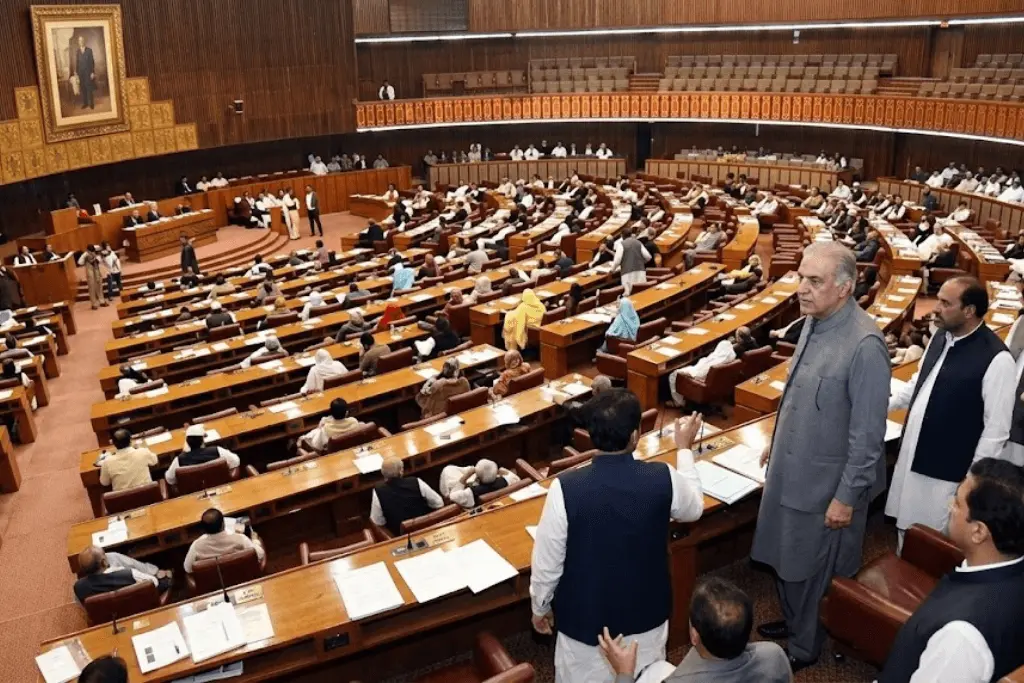
The Punjab Anti-Terrorism (Amendment) Bill 2026, known as the Punjab Assembly Anti-Terror Bill 2026, has been passed by the Punjab Assembly amid strong opposition from opposition legislators, triggering fresh debate on how Pakistan can balance the need for national security with judicial transparency and basic legal protections. The legislation establishes a specific regime for terrorism cases in which judges, prosecutors, defence lawyers, investigators or witnesses are deemed to be threatened with security risks.
Punjab Assembly Passes Anti Terrorism Amendment Bill, 2026
The Punjab Assembly passed the legislation on Monday after an earlier attempt to table the bill in the House was blocked in the previous sitting. The same bill returned before the Assembly after Speaker Malik Muhammad Ahmad Khan stopped it from being placed on the agenda on Thursday after objections from opposition lawmakers.
When the Bill was taken up for consideration, the opposition members protested strongly against it. PTI lawmakers said some provisions could erode safeguards for the accused and have implications for fair trial principles. Opposition Leader Moin Riaz Qureshi alleged that the government was trying to strengthen its position by introducing the proposed amendments.
New Framework For High Security Terrorism Cases
A key component of the law is the establishment of a special legal regime for terrorism trials considered especially sensitive from the security standpoint. Such cases may be called Special Security Cases where there are credible security concerns involving persons directly connected with the judicial process.
The framework applies to judges, prosecutors, defence lawyers, investigators and witnesses who may be threatened as a consequence of their participation in terrorism trials. The government says the need for additional safeguards means courts and legal personnel can continue to operate without compromising the safety of those involved in high-risk proceedings.
Identities And Court Records Are Better Protected
The bill would also require that the entire judicial record in Special Security Cases remain sealed and limit the publication or disclosure of identifying information about protected participants. The measure is aimed at reducing the risk that information in sensitive cases could endanger the security of judges, prosecutors, lawyers, witnesses or investigators by exposing them to threats.
The bill also provides technological means of protecting the participants in proceedings. In the case of designated cases, courts hearing such cases could hold hearings through video conferencing and electronic links, reducing the need for vulnerable persons to appear in person at locations that are considered unsafe.
Key Security Powers Granted To Designated Authority
Another important element of the bill is the creation of the position of Designated Authority. The law allows an officer of rank BS-20 and above to assume this responsibility. These powers are associated with the classification of terrorism proceedings as Special Security Cases.
The Designated Authority would determine whether a terrorism case satisfies the security criteria for special treatment. The officer would also have duties in relation to protective arrangements for judges, prosecutors and other persons involved in the proceedings.
It offers a systematic approach to security threats that otherwise would have to be dealt with by each court individually. It could help to coordinate security arrangements in a structured way and ensure that sensitive cases are afforded appropriate protection.
Opposition Seeks Safeguards For Impartial Trial
Opposition legislators’ main objections have focused on fundamental rights and the principle of a fair trial. PTI’s MP Ahmed Rashid Bhatti called the law a black law and said secrecy around judges, prosecutors, defence lawyers and witnesses could hurt the transparency of the judicial process.
Rana Aftab Ahmad Khan, too, opposed the bill, warning it has implications for basic human rights, law of evidence and the Code of Criminal Procedure. The criticism expresses the fear that the security protections should not inadvertently erode the available protections to accused persons.
The opposition has been especially critical of clauses allowing for hidden identities and sealed court records. From this viewpoint, limited access to information may thus prevent defendants from understanding the proceedings or effectively challenging the evidence and legal arguments presented against them.
Security And Justice Remain Central To Pakistan’s Approach
The legislation comes against the backdrop of Pakistan’s ongoing need to strengthen its response to terrorism while keeping judicial institutions functional. Cases of terrorism may pose unusual risks. Judges, prosecutors, investigators, lawyers and witnesses may face threats directly related to their involvement in proceedings.
The new framework in Punjab seeks to respond to that environment through a mix of confidentiality, secure venues and digital hearings. The use of video conferencing, electronic links and voice-modification technology is an indication of an attempt to adapt courtroom procedures to circumstances in which traditional hearings might expose participants to unacceptable risks.
Punjab Bill Sparks Debate On Transparency And Security
This has now put the province at the centre of an important policy debate on how to deal with high-security terrorism cases in the future, with the Punjab Anti-Terrorism (Amendment) Bill 2026. The government has sought to add more protections for participants in proceedings, but opposition MPs have pointed to the dangers of secrecy and limited access to judicial information.
The next stage will depend a great deal on how the framework works in practice. Confidence in the system will be maintained by clear criteria for the designation of Special Security Cases, adequate safeguards of the legal rights of defendants and prudent use of confidential procedures.