Farhan Qureshi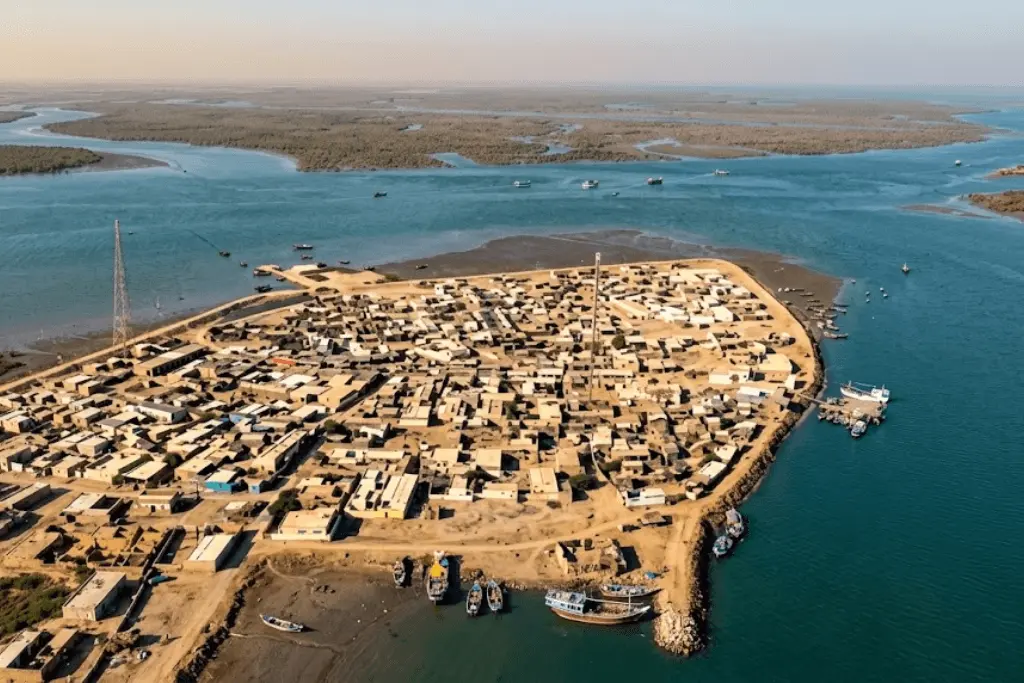
The proposed conversion of Keti Bunder into a deep-water port and expanded economic hub is taking Pakistan into a new era of development of maritime infrastructure. The project, situated on the Sindh coast, is being promoted as a long-term opportunity to boost trade capacity, improve connectivity and unlock coastal economic activity.
Pakistan’s Maritime Capacity To Get A Boost With Keti Bunder Port Plan
The Keti Bunder development plan is intended to establish a deep-water maritime gateway for bigger vessels and diversified cargo activity. The proposed infrastructure is meant to complement the existing facilities and not to simply replicate the functions of Karachi Port and Port Qasim.
The first phase of the plan, which includes a 500-metre quay, is estimated to cost some $522.34 million. The project is being considered under a public-private partnership framework, creating a pathway for government planning and private-sector investment to work hand in hand.
Sindh’s Coastal Position And The Strategic Importance Of Keti Bunder
Keti Bunder holds an important position in the coastal geography of Sindh and the larger Indus Delta region. Its development could draw more economic attention to an area which has traditionally been very reliant on fisheries and other coastal livelihoods.
The proposed port is also being tied into a wider maritime, fisheries and petroleum economic corridor. The estimates cited for the corridor suggest a potential investment in the range of $1 billion to $2.5 billion, reflecting the scale of economic activity envisioned around the project.
New Deep-Water Gateway Could Ease Pressure On Karachi’s Ports
Karachi Port and Port Qasim continue to be the hub of Pakistan’s maritime trade, but increasing cargo and logistics requirements keep the demand for more infrastructure alive.
Keti Bunder might provide an alternative outlet for selected cargo and commercial activities, thus relieving the pressure on established ports. A more diversified port network could also improve resilience by providing more options for maritime transport to firms.
Keti Bunder Project Merges Port Development With Economic Corridor
The proposed economic corridor is one of the most important components of the Keti Bunder plan. The strategy links maritime facilities with fisheries, petroleum, energy and other commercial opportunities, instead of treating the port as a stand-alone infrastructure project.
Phase I is expected to focus on a multi-purpose terminal and support improvements in the local fisheries sector. Later development could be toward a fully commercial port, depending on feasibility, investment and implementation progress.
Development Is Still Based On Fisheries And Local Communities
Keti Bunder’s economic future depends on fishing communities and the environmental importance of the Indus Delta. Hence, there is a need for careful planning to prevent infrastructure development from undermining existing livelihoods in the course of port expansion.
The wider development vision includes fisheries explicitly, providing an opportunity to upgrade local facilities while supporting the communities already based around the coastline.
Keti Bunder Investment May Get Public-Private Partnership Support
The public-private partnership model presented can be an important instrument for financing and implementing the port project. Major developments in the maritime industry require large capital outlay, specialist skills and long-term operational planning. A deep-water port can only reach its full economic potential if it is supported by efficient inland transport. The proposed development of Keti Bunder therefore requires good connections to regional roads, future rail infrastructure and industrial centres.
Better road connectivity would facilitate the movement of goods between the port and markets across Sindh. New rail links could someday offer more efficient ways of moving large volumes of cargo over longer distances.
Keti Bunder Can Fulfil Pakistan’s Long-Term Trade Aspirations
Pakistan’s maritime sector has tremendous potential for contributing toward export growth, industrial expansion and regional connectivity. The Keti Bunder project is a part of this larger goal, with the expectation to increase the capacity and diversity of the country’s coastal infrastructure.
A new deep-water gateway could allow larger cargo vessels to access and present more opportunities for containerised and multi-purpose trade. The bigger capacity might be of growing value as home industries try to break into international markets.
Environmental Planning Will Make Keti Bunder Succeed
The Indus Delta is an environmentally sensitive area, and ecological protection is an integral part of responsible port development. Fisheries, the marine ecosystem, water flows and the interests of communities that depend on natural resources must be taken into account in coastal infrastructure.
The vision for Keti Bunder already includes consideration of environmental balance and local fishing communities. Responsible development can show Pakistan that maritime expansion and environmental protection are not mutually exclusive. In the long term, a commercially successful port is more valuable if the ecological and social systems around it are resilient.
Keti Bunder Can Boost Pakistan’s Regional Connectivity
The proposed Keti Bunder development is a big opportunity to extend Pakistan’s maritime infrastructure and strengthen Sindh’s economic role. Its potential impacts go from port capacity and cargo movement to fisheries, energy, logistics and private investment.
The project’s phased approach allows for infrastructure expansion to be aligned with commercial demand and practical implementation needs. Public-private cooperation can also further support the financing and technical implementation of the planned facilities.
If Keti Bunder is seamlessly connected with roads, railroads, industrial zones and environmental safeguards, it could be a significant addition to Pakistan’s maritime network. The development may help to relieve pressure on existing ports and at the same time open up new economic opportunities along the Sindh coast.
So the larger goal is not merely the construction of another port. Keti Bunder could be part of an integrated maritime economy that boosts trade, investment, coastal livelihoods, and Pakistan’s long-term economic growth.