Adeel Hassan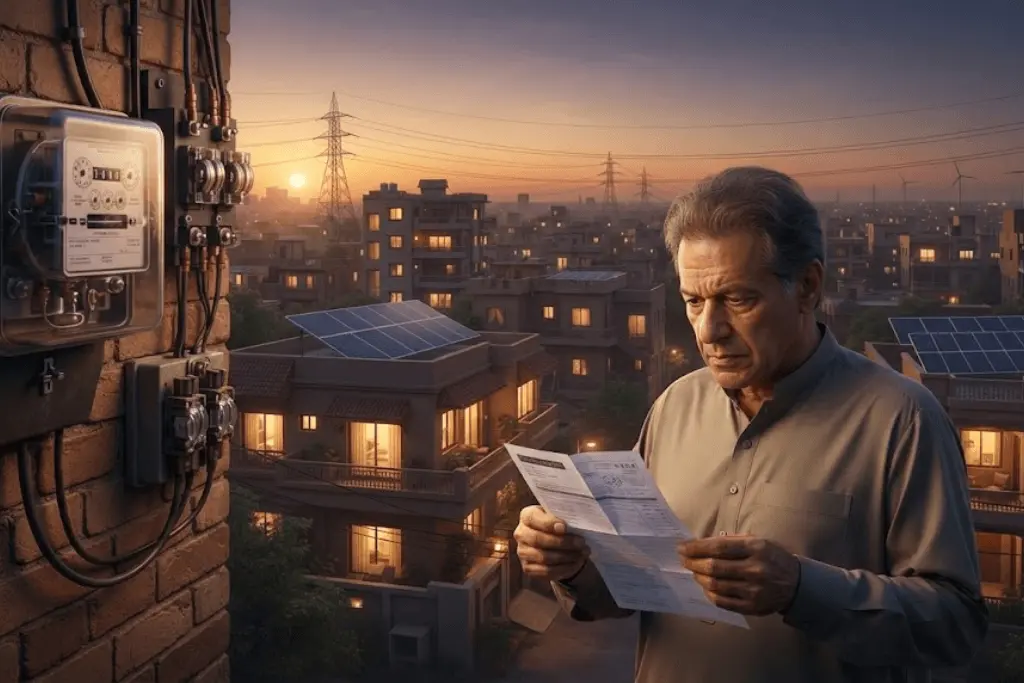
Pakistan electricity prices are sometimes approaching PKR 60 per unit, creating a significant strain on household budgets through higher energy consumption. The high cost of electricity is more than simply household budgets. The operating costs of shops, factories, farms and small businesses go up with expensive power, and this eventually feeds through into the prices of goods and services across the economy.
Capacity Payments Keep Tariffs Under Pressure
Capacity payments are one of the most important issues affecting the structure of electricity pricing in Pakistan. Power producers are paid for having generation capacity available, even if the plants are not running at full tilt. The arrangement was designed to ensure sufficient capacity for electricity generation during peak-demand periods. However, if demand is below the amount of capacity available, the fixed payments can constitute a large fraction of the total cost to consumers.
Vulnerability Of Imported Fuel To External Economic Shocks
This vulnerability can be mitigated by greater reliance on domestic and renewable sources of energy. Solar, wind and other indigenous resources do not need the ongoing fuel imports that are tied to conventional thermal generation. A gradual shift to locally available energy could therefore improve the affordability of electricity and energy security. It would also provide greater protection against international price volatility with a lower dependence on fuel imports.
Renewable Energy Can Change Pakistan’s Electricity Cost Structure
Pakistan has a great opportunity to reduce the long-term cost of electricity generation through the use of wind and solar power. Renewable facilities, once established, don’t require ongoing fuel purchases to generate energy. But to scale up renewables, the grid needs to be carefully planned. Solar and wind power generation is weather- and time-of-day-dependent, making storage, flexible generation and modern transmission infrastructure increasingly important.
Grid Modernisation May Reduce Hidden Electricity Costs
It’s not that electricity is cheaper to make; it becomes affordable. Power also must be delivered efficiently from generation facilities to homes and businesses. Technical losses, infrastructure constraints and commercial losses dog Pakistan’s transmission and distribution networks. Theft of electricity and low recovery of bills may increase the financial burden of paying consumers.
Theft Of Electricity Should Be Controlled To Bring Down The Bills
Utilities that can’t collect the full value of the electricity they provide leave financial gaps. These losses are part of wider sectoral problems, and can eventually exert pressure on tariffs for paying consumers. Technology can play a big part in solving the problem. Transparency in electricity distribution can be achieved through smart meters, remote monitoring, automated billing and data-based loss detection.
Reforming Distribution Companies Could Improve Efficiency
In Pakistan, distribution companies play a major role in the final price of electricity. Even if electricity generation becomes more competitive, weak collection systems, high losses and operational inefficiencies can be a major financial burden. But privatisation alone will not guarantee cheaper electricity. And good regulation would still be necessary to ensure that inefficiency was not replaced by overpricing or poor service.
Circular Debt Needs Tackling For Sustainable Reform
Circular debt is one of the most persistent financial problems in Pakistan’s energy sector. Payments between consumers, distribution companies, generators and fuel suppliers can differ and accumulate through the electricity supply chain. A financially healthier electricity sector would also be better placed to attract investment. Predictable and transparent payment mechanisms are more likely to attract investor support for new generation and grid projects.
A Competitive Electricity Market Could Improve Consumer Outcomes
Pakistan’s electricity market has traditionally functioned on a highly centralised basis. Slowly moving toward more competition could create opportunities for more efficient producers and suppliers. Similarly, a competitive or multi-buyer electricity market would enable eligible consumers to purchase power from different suppliers under regulated arrangements. More competition might encourage generators and service providers to become more efficient.
Need For Improved Demand Management For Affordable Electricity
Flexible consumption can be used to align electricity demand with periods of high solar and wind generation. Rooftop solar has already generated a lot of interest among Pakistani households and businesses looking to insulate themselves from high electricity prices. With the costs of technology coming down, and sunlight in abundance, distributed generation is becoming more attractive. Solar installations can reduce the demand for grid electricity during daylight hours. Battery storage pushes that benefit into evening periods. But the upfront investment is still a hurdle for many households.
Pakistan Can Reconcile Energy Security With Affordability
Pakistan therefore needs an energy strategy that incorporates renewable generation along with reliable transmission, efficient distribution and financially viable conventional capacity. A well-balanced system can lower costs while maintaining resilience. Affordable electricity is a huge challenge for Pakistan. But there are also many opportunities to improve the situation, and some of the structural causes behind high tariffs can be addressed.