Adnan Farooq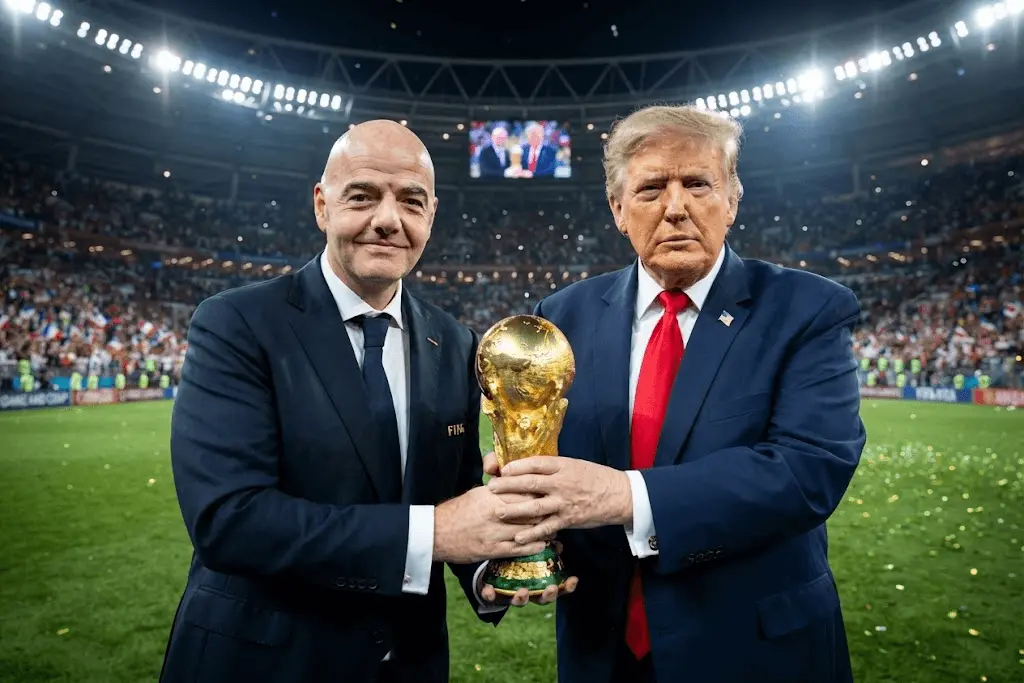
The FIFA World Cup is at the center of one of international football’s biggest governance debates as FIFA proposes creating a new commercial entity, called FIFA Forward Enterprise. The move was intended to lure private investment via the sale of minority stakes in a venture valued at about $20 billion to raise substantial new investment for football development and future tournaments.
The proposal was met with an immediate outcry from the game’s biggest governing bodies. FIFA said the change would help generate more money for the world game, but some regional confederations have questioned the focus on commercial investment in the running of the sport’s biggest tournament.
FIFA Wanted To Develop A New Commercial Investment Model
Under the proposed structure, FIFA would create FIFA Forward Enterprise as a separate commercial entity responsible for administering certain commercial activities relating to international football competitions.
The governing body had intended to sell non-controlling minority ownership stakes to private investors while maintaining overall institutional control. The venture was said to be able to raise about $4.2 billion in investment led by Thrive Capital, the venture capital firm founded by Joshua Kushner.
FIFA said the additional financial resources would enhance football development initiatives across member associations, and provide long-term investment for infrastructure, grassroots programs and global competitions.
UEFA Resisted Further Commercialisation Of World Cup Operations
FIFA’s plans were the subject of the most vociferous criticism from UEFA, which was worried that opening up the commercial operations of the World Cup to private investment would be a radical break from the historic principles of football governance.
European football bosses argued the World Cup should be kept in the exclusive hands of football bodies and not associated with private commercial investment. UEFA said the proposal risked shifting the focus from sporting integrity to financial gain.
Officials also raised concerns about whether outside investors might indirectly influence strategic decisions that could affect the future development of the game. Such concerns went beyond ownership structures and to broader issues of governance accountability.
Regional Confederations Have Joined Forces In Opposing The Proposal
Not only in Europe was there opposition to the commercial initiative. The Asian Football Confederation and CONCACAF also raised concerns about the proposed investment model, limiting FIFA’s ability to garner sufficient international support.
As more confederations voiced opposition to the proposal, questions mounted over whether FIFA would be able to garner majority support from its 211 member associations. The absence of a wide institutional consensus made the implementation of the commercial restructuring considerably more complex.
The Fear Of A Boycott Drove Fifa’s Decision
As disagreements grew, UEFA is said to be considering a complete boycott if the commercial proposal goes ahead without broader consultation. FIFA’s leadership had come under dramatically increased pressure with the likelihood of serious opposition from the major football associations of Europe.
The proposal failed to gather enough institutional support due to the combined resistance of several regional confederations. FIFA withdrew the initiative before formal implementation as it lacked majority support.
The move demonstrated that major changes to governance in international football need broader backing from member associations, not just a handful of stakeholders.
The proposal was dropped, but the debate revealed the continuing divisions over the commercial future of global football.
Player Welfare And Calendar Congestion Became Major Issues
But beyond the obvious problems of the commercial investment, many of the football officials were concerned about the wider consequences of more money being poured into FIFA events.
Football chiefs in Europe and South America have argued that major private investment could lead to more international tournaments, adding more strain to an already congested football calendar. The professional players now play all year round in national leagues, continental competitions, international competitions and national team duties.
Increased FIFA commercial activities could mean more scheduling pressures on players and their welfare and recovery periods, which could also be a concern in the long-term physical demands.
Member Associations Have Different Development Funding Priorities
FIFA is said to have provided further financial inducements to buy support for the commercial drive. National associations that support the proposal by a certain date may receive either an increase in development funds or financial incentives estimated at $20 million.
For smaller football associations, the financial boost was a major opportunity to develop grassroots football, coach education, infrastructure projects, youth competitions and women’s football programs.
Meanwhile, many of the richer football associations had a greater concern for governance standards and institutional independence than for short-term financial incentives.
These different views reflected the different priorities that exist within FIFA’s global membership, where development needs are very different between established football nations and emerging federations.
The Debate Is A Sign Of Football’s Changing Commercial Future
In the end, FIFA abandoned the proposed minority investment plan, but the discussions over FIFA Forward Enterprise brought up wider questions which will likely impact on international football going forward. As the sport grows in commercial value, governing bodies have to balance financial growth against institutional independence, sporting integrity and stakeholder confidence.
Proponents of commercial innovation say new investment models can accelerate infrastructure development, increase grassroots participation and grow the game around the world. Critics say too much commercial influence could gradually alter the priorities of international governing bodies and place financial interests above sporting values. Visit The Pakistan for more updates.