Farhan Qureshi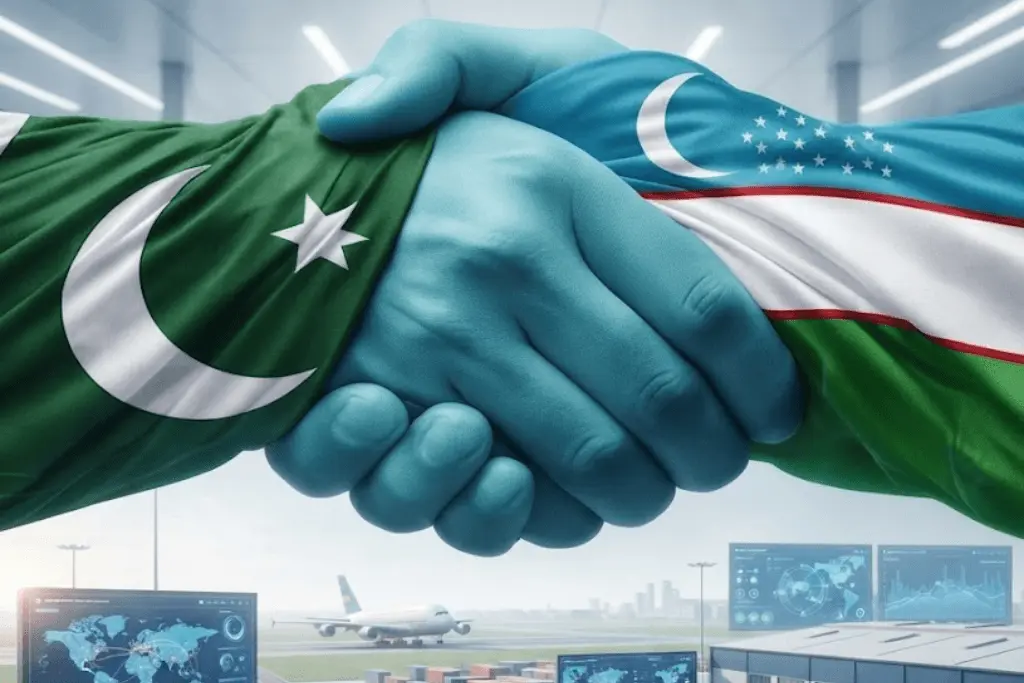
It is an extension of Pakistan Uzbekistan digital customs cooperation, building on Pakistan’s ongoing customs modernisation efforts through the Pakistan Single Window (PSW) platform. The digital systems integration is expected to ease paperwork, shorten cargo clearance times, enhance transparency, and provide smoother trade routes for the region’s businesses.
Pakistan And Uzbekistan’s Growing Digital Cooperation On Customs
Trade between Pakistan and Uzbekistan is picking up as the two governments strive to establish strong economic ties. The development of commercial activity and cooperation in the area of regional transit and logistics has increased the importance of efficient customs systems.
The latest thinking is about digital integration, not traditional paperwork. Customs authorities are working towards secure electronic information sharing, which will allow cargo information to move across borders more quickly and reduce administrative delays.
The move also plays into broader regional ambitions to improve links between Central Asia and Pakistan’s ports. Faster customs procedures can make regional supply chains more competitive and spur higher trade volumes in the coming years.
Pakistan Single Window Sets The Stage
Single Window platform is among the major digital trade reforms in Pakistan. The system links several government departments involved in import, export and transit trade through a single electronic interface. Instead of submitting documents to different agencies separately, traders can complete many procedures through one platform digitally. It removes duplication, improves transparency and speeds up customs processing.
This extension of the digital infrastructure to work with Uzbekistan will enable customs authorities in both countries to share information more efficiently. The long-term goal is to develop seamless digital trade lanes that will facilitate the speedier movement of legitimate goods.
Priority: Integration Of Transit Trade Data
Extension of electronic transit trade data exchange is one of the major results of the bilateral talks. The customs authority plans to extend the existing digital protocols to cover more types of commercial cargo under electronic surveillance. Digital transit documentation enables customs officers to verify shipments before they arrive at border crossings.
Artificial Intelligence To Modernise Customs Operations
Artificial intelligence has become an increasingly valuable tool for Customs administrations around the world. Such connectivity prevents discrepancies in documentation and improves coordination of the customs administrations. Real-time communication also builds regional trust as both countries are acting on the same validated commercial information in the customs process.
Benefits To Pakistan’s Export Community
Better customs procedures and reduction in administrative barriers will substantially benefit Pakistan’s exporters. Shortening of clearance periods will allow exporters to bring their products to Central Asian markets faster and will increase the competitiveness of those sectors where the delivery time is an important factor. Shorter processing times also reduce warehousing costs, container detention charges and transportation costs that often flow from customs delays.
Producers in industries such as textiles, pharmaceuticals, engineering products, food processing, agricultural products and sporting equipment have most to gain from simpler regional trade procedures. More efficiency would also advance Pakistan’s larger goal of boosting exports to non-traditional global markets.
Regional Connectivity Still Improving
Digital customs cooperation is a complement to broader regional connectivity initiatives connecting Pakistan with Central Asia. Better border management goes hand-in-hand with transport infrastructure, railway cooperation, road corridors and logistics investments which aim to enhance commercial integration.
Pakistan’s strategic location offers the countries of Central Asia potential access to ports on the Arabian Sea, while Pakistan itself benefits from increased trade opportunities with markets to the north. Modern customs systems offer efficient administrative procedures that can handle growing trade volumes and thus support infrastructure investments.
Lower Costs To Businesses
Often the highest hidden costs of international trade are administrative complexity. Digital customs processing cuts paperwork and removes duplicated documentation and the cost of compliance for importers and exporters.
Faster border processing times could also help transport operators by letting them burn less fuel while waiting at customs facilities. Reduced logistics costs enhance the competitiveness of Pakistan’s businesses and promote increased commercial engagement by small and medium-sized enterprises in search of regional export opportunities. Predictable customs procedures also help investors plan their long-term business.
Improved Smuggling
Digital customs systems also assist in enforcement against illicit cross-border activity and facilitate legitimate commerce. Real-time information sharing between customs administrations combats smuggling, customs fraud and other forms of cross-border economic crime. The combination of trade facilitation and stronger enforcement creates a more secure commercial environment.
Pakistan-Central Asia Economic Partnership To Be Expanded
The customs initiative is part of Pakistan’s broader plan to bolster economic relations with the Central Asian countries. Pakistan and Uzbekistan have been cooperating in transportation, investment, energy, agriculture, education, tourism and industrial development, besides customs modernisation.
Digital trade facilitation is one practical step in achieving larger regional economic goals by making commerce more efficient and predictable. Further institutional dialogue between customs authorities also creates opportunities for future cooperation in technology adoption, staff training and regulatory coordination.
Future Potential For Bilateral Trade
The growth of digital customs cooperation is a reflection of both countries’ commitment to modern, technology-driven trade management. As electronic systems develop and more digital services are offered, businesses may see increasingly faster border processing and greater certainty in regional commerce.