Sana Khalid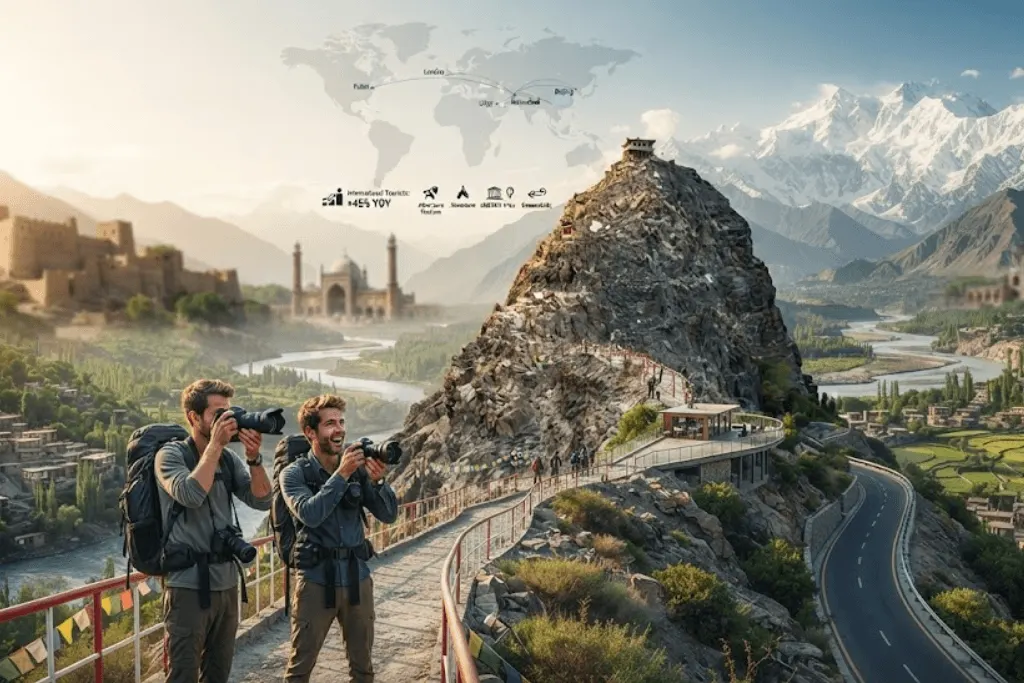
Pakistan tourism has many of the natural and cultural assets that define some of the world’s premier international travel destinations. The ancient mountain ranges, ancient civilisations, colourful cities, religious sites and a variety of nature provide a solid basis for the development of a globally competitive tourist industry. In recent years, public institutions and private investors have stepped up their efforts to promote tourism as a significant contributor to economic growth.
The country’s tourism ambitions are driven by infrastructure projects, better connectivity and government initiatives to promote investment, both within and outside the country. There are still many hurdles, but the tourism sector in Pakistan is showing encouraging signs of progress as the world turns towards experiential and adventure tourism.
Pakistan’s Natural Beauty Has Worldwide Tourism Attraction
Pakistan is home to some of the most amazing natural landscapes in the world. The country has five of the fourteen mountains over 8,000 metres, including K2, the world’s second highest peak, and is one of the best places in the world to go mountaineering and high altitude expeditions.
The northern areas of Gilgit-Baltistan and Khyber Pakhtunkhwa boast of snow-capped peaks, glaciers, alpine lakes, green valleys and dramatic mountain passes that attract trekkers, photographers and adventure lovers from around the world.
Places like Hunza, Skardu, Fairy Meadows, Deosai National Park and Neelum Valley are becoming more popular internationally through travel documentaries, digital media and global sharing of visitor experiences.
These natural attractions give Pakistan a competitive edge in adventure tourism, eco-tourism and sustainable travel.
Rich Cultural Heritage Boosts Tourism Potential
Sites such as Mohenjo-daro and Taxila demonstrate the region’s ancient importance, while Lahore reveals centuries of Mughal architecture, artistry and cultural customs. The historic forts, mosques, museums, shrines and old cities preserve a part of South Asia’s heritage that is important.
Religious tourism is also a big opportunity. International pilgrims and historians gravitate towards Buddhist heritage sites, and Sikh religious sites like Gurdwara Panja Sahib and the Kartarpur Corridor have boosted religious tourism across borders.
Tourism Growth Fueled By Government Initiatives
The creation of special tourism zones has become an important part of long-term planning. The zones aim to stimulate investment in hotels, recreational facilities, transportation services and visitor amenities, while promoting sustainable development. The moves to ease investment procedures and to encourage the private sector to get involved are a sign of the growing recognition of the economic contribution of tourism. Long-term policy consistency is needed to maintain investor confidence and support further industry growth.
Adventure Tourism Continues To Grow
Adventure tourism is one of Pakistan’s most competitive advantages. Increasing numbers of domestic and international tourists are attracted by trekking, mountain climbing, camping, paragliding, rafting, jeep safaris and winter sports.
The Karakoram, Himalaya and Hindu Kush mountain ranges offer outdoor recreation opportunities throughout the year. K2 and the other nearby peaks are the site of international mountaineering expeditions that enhance Pakistan’s profile in the world of adventure travel.
Nature-based tourism also helps conservation efforts by providing economic incentives to protect forests, wildlife habitats, glaciers and national parks.
As the world over runs to get a real outdoor experience, Pakistan is in a good position to take advantage of this growing segment of tourism.
Domestic Tourism Drives Industry Growth
Domestic tourism has emerged as an important growth engine in Pakistan’s travel sector. Every year, millions of local travellers flock to northern areas, coastal areas, religious sites and historical cities.
Domestic tourism has resulted in investment in hotels, restaurants, transportation services and recreational facilities. Continued improvement of domestic tourism infrastructure strengthens the overall industry while preparing destinations for increased international arrivals.
Infrastructure Remains A Major Challenge
“Pakistan has a lot of potential for tourism, but the biggest challenge is the development of infrastructure. There are still many promising destinations that lack better road connectivity, transportation services and visitor facilities.
Accommodation outside the main tourist areas is often limited, especially for overseas visitors looking for reasonable standards of accommodation. Also, there is a need for the expansion of modern visitor information systems and reliable public transport. The digital infrastructure for tourism is still growing, but it is uneven in different regions.
Hospitality Sector Provides Huge Growth Opportunities
Tourism demand is slowly picking up, and the hospitality industry is still growing in Pakistan. In the major cities, hotels have developed that conform to international standards and in popular tourist destinations, boutique hotels, guest houses and eco-lodges are springing up.
Private investment has helped to improve the quality of accommodation, food services and customer experience. Hospitality training programmes are also helping to create a better-skilled workforce able to meet international service expectations.
Additional investment in hospitality infrastructure can enhance the competitiveness of Pakistan and encourage longer visitor stays and higher tourism expenditure.
Higher standards of service will continue to be essential in building international confidence in Pakistan as a travel destination.
Security Enhancements Boost Tourism Confidence
Security perceptions continue to be a relevant aspect of international travel decision-making. Ongoing improvements have helped to gradually recover tourism activity, although regional security developments continue to affect travel advisories. Stability is still the key for the industry to continue to grow in the long run and attract more international tourists.
Global Branding Is A Long-Term Investment
Pakistan has many unique tourism assets but faces stiff competition from well-established regional destinations. Concerted marketing efforts will be required globally for good branding and the country’s unique experiences highlighted. A strong tourism destination brand is not built through a short-term promotional campaign but through long-term commitment.
Digital Services, Visa Reforms Can Help Access
The simplified visa procedures are becoming increasingly significant in the competition between the countries for global tourism. Digital visa systems that are efficient reduce administrative barriers for international travellers before arrival. Pakistan has made several moves to help visitors to the country, and further modernisation could help boost the competitiveness of tourism. International visitors are likely to be attracted to destinations with quicker approval times, wider eligibility and transparent application procedures.
Tourism Can Bring Economic Benefits Far And Wide
Tourism generates economic opportunities in transport, hospitality, handicrafts, agriculture, retail, entertainment and cultural sectors. Community tourism projects have specific benefits in the countryside around well-known tourist spots.
The growth of tourism also promotes infrastructure development, which is a benefit to the local people and visitors. Tourism investment often results in improvements in roads, communications, sanitation systems and public services.
Sustainable tourism policies help to grow the economy while also protecting the environment and preserving culture.
Future Of Pakistan Tourism Industry
Pakistan has many of the ingredients to be one of South Asia’s emerging travel destinations. Exceptional mountain landscapes, diverse cultural heritage, archaeological treasures, religious tourism and increasing support from the government provide a strong platform for future growth. This will necessitate ongoing investment in infrastructure, hospitality services, digital connectivity, international marketing and sustainable tourism development.