Sana Khalid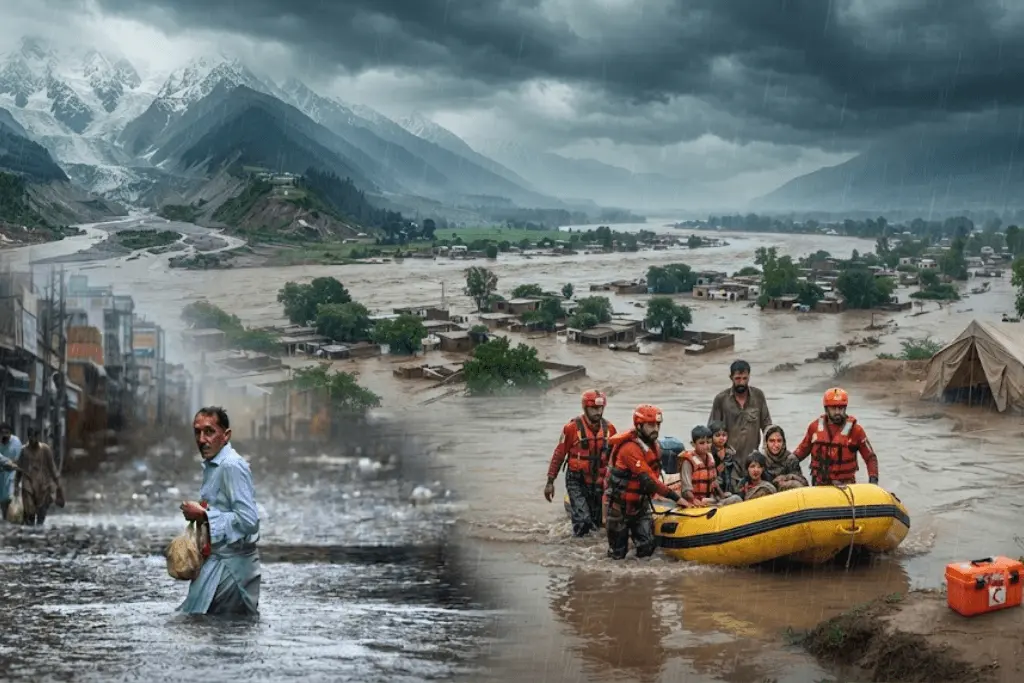
The country’s diverse geography means Pakistan monsoon season brings risks of many types of flooding, from vast river plains and populated cities to mountainous regions and glacier-fed valleys.
Riverine, Flash, Urban Flooding Explained
Sudden flooding in streams, ravines and valleys can hit communities in KP, Gilgit-Baltistan, AJK and Balochistan with little time for evacuation. But its cause is different, and urban flooding can be just as disruptive.
Northern Areas Most Susceptible To GLOF Risks
Rising temperatures can affect glaciers and glacial lakes. Monitoring is becoming more and more important in vulnerable mountain areas. The threat is not just from direct flooding, as GLOFs can damage roads, bridges, homes, agricultural land and other essential infrastructure. Timely warnings and clear evacuation arrangements are needed for downstream communities of vulnerable lakes.
Monsoon Emergency Go-Bag Can Help You Get Ready
Small-denomination cash can be useful as well because severe flooding can impact ATM availability, electricity supplies and digital payment networks. Ideally, the emergency bag should be kept in an accessible place, close to an exit, so it can be grabbed quickly when evacuating.
Homes Should Be Prepared Before Heavy Rain
Preparing your household can do a lot to reduce the impacts of heavy monsoon rain. Keep plastic bags, solid waste and other material out of the gutters, household drains and nearby street drainage that can obstruct water flow. When the water flow is blocked, water around houses can accumulate quickly, especially in cities and low-lying areas. Mark electrical circuit breakers and main gas valves in advance so utilities can be turned off safely when needed.
If a flood is expected, move electronics, important belongings, furniture and other valuables to higher shelves or upper floors. Hazardous household chemicals and agricultural products should also be stored safely away from floodwater. Homeowners and tenants also should check doors, windows, roofs and drainage points ahead of heavy rain. Such relatively simple measures can help reduce property damage and give households more time to respond as water levels rise.
Flood Alerts Must Be Taken Seriously
Early information can have a huge impact on fast-developing weather events. Residents should keep an eye on official weather and disaster-management advisories issued by the Pakistan Meteorological Department and National Disaster Management Authority.
NDMA Disaster Alert App can also provide relevant warnings and information to the communities facing extreme weather conditions. Flood-prone families need to know where the government relief shelters are and where higher ground is before a disaster strikes.
Charge phones and emergency power banks if severe weather is anticipated. Flood conditions can get worse faster than expected, so don’t ignore evacuation warnings.
Vehicles should be moved from underground parking areas, low-lying streets, stream crossings and other areas where water can accumulate quickly. Readiness is of utmost importance in places where evacuation routes can be cut off by rising water.
Flood Safety & Prevention: How To Stay Safe In A Flood
If the flooding is very bad, you must move to safer ground as a priority. Families are directed to upper floors, designated shelters or other safe areas as advised by local authorities. Never assume shallow or slow floodwater is safe.
Moving water can conceal open drains, holes, debris and damaged infrastructure, and submerged electrical equipment can be a serious electrocution hazard. Never drive a vehicle through flowing floodwater. Even relatively shallow flowing water can upset a vehicle.
Walking in floodwater can be dangerous as the depth, current and condition of the ground below can be impossible to judge. Stay well clear of electric poles, fallen wires, damaged streetlights and exposed electrical equipment.
Follow the established evacuation routes if told to do so by authorities, and do not take any shortcuts through flooded areas. Pets and livestock should also be relocated to safer spots if the conditions allow.
Post-Flood Safety Means Careful Re-Entry
Flood danger does not necessarily go away when the rain stops. Buildings can be damaged, electrical systems can be unsafe, and contaminated water can remain in streets, homes and public spaces.
Visible cracks, damaged walls and foundation problems all should be checked in a building before residents are allowed back in. Do not touch electrical switches, appliances and wiring that is wet until qualified personnel have determined the system is safe.
Drinking water requires special care after flooding due to the potential for serious health hazards from contamination. Water should be boiled or disinfected before drinking, as recommended by health authorities. Throw away any food that has been in contact with floodwater, because contamination can’t be seen.
Floodwater May Raise Disease And Mosquito Dangers
Floods can create conditions that increase the transmission of water-borne and mosquito-borne diseases through stagnant water. Contaminated drinking water and sanitation systems can lead to cholera, typhoid and gastroenteritis. Standing water can lead to mosquito breeding and an increase in malaria and dengue risk. Thus, safe water practices are still important during the recovery period.
Pakistan’s Emergency Response Depends On Public Cooperation
For controlling floods, the cooperation of the residents, disaster management authorities, rescue agencies, local administrations and health services is needed. Monitoring risks, issuing warnings and coordinating emergency preparedness are among the key roles to be played by the Provincial Disaster Management Authorities and the NDMA. The official advisories provide confirmed information about the weather and disasters to help the residents make informed decisions.
Pakistan’s Monsoon Season: Top Safety Priorities
The best way to avoid danger during flooding is to stay away from moving water, damaged electrical infrastructure and unnecessary travel. Protection from mosquitoes, hygiene, safe drinking water and structural inspections continue to be important after the flood waters go down. Pakistan’s disaster-management structure, weather monitoring systems and emergency response agencies play a crucial role during the monsoon season.
That makes those systems more effective when communities respond to official warnings and act early. Pakistan can manage monsoon risks and protect lives, infrastructure and livelihoods by combining government preparedness, reliable public information and household-level safety planning.