Farhan Qureshi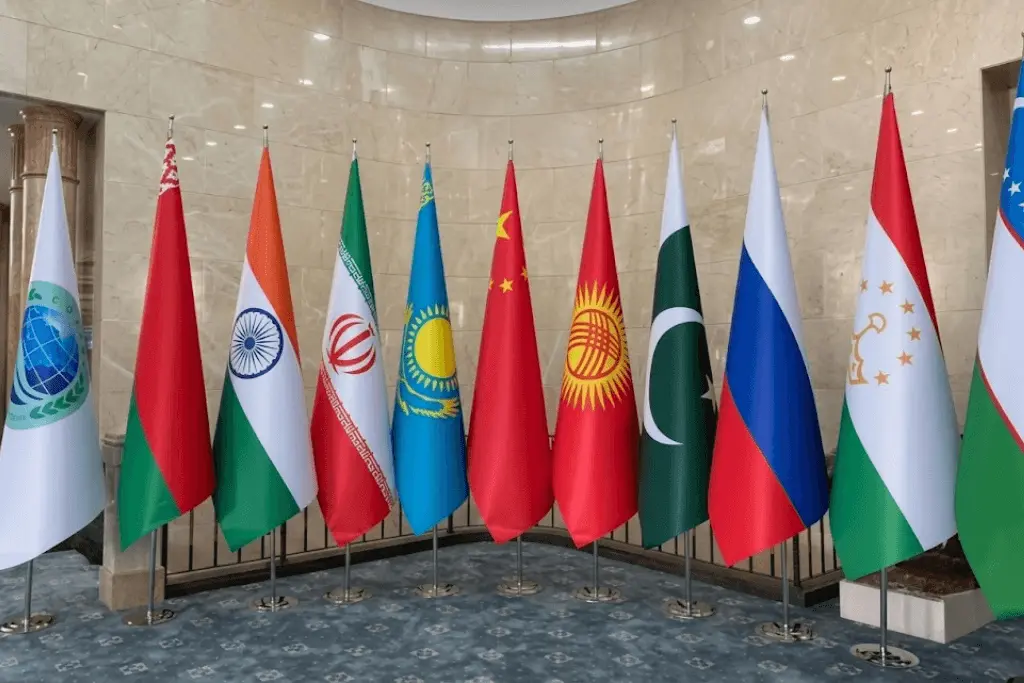
The SCO border meeting Islamabad has brought renewed focus on regional cooperation on border security during the 12th Meeting of the Heads of Border Services of the Shanghai Cooperation Organisation (SCO). The meeting, attended by senior border security officials and representatives of member states, was to discuss coordinated responses to emerging security challenges, review past joint initiatives and approve plans for future cooperation.
The meeting was also an important milestone ahead of Pakistan assuming the SCO Chairmanship later this year. The meeting in Islamabad came at a time when regional security, border management and counterterrorism remain the organisation’s main priorities and highlighted continued cooperation among member states despite other geopolitical divergences.
Senior Border Officials Of All SCO Member States To Convene In Islamabad
Pakistan hosted the 12th meeting of the SCO Heads of Border Services in Islamabad. Representatives responsible for border management from all over the organisation attended.
Delegations from Belarus, China, India, Iran, Kazakhstan, Kyrgyzstan, Pakistan, Russia, Tajikistan, Uzbekistan and the Executive Committee of the SCO Regional Anti-Terrorist Structure (RATS) took part in the event.
The active involvement of the main member states demonstrated the continued relevance of the organisation’s focus on pragmatic cooperation in areas affecting regional stability and transnational security.
Pakistan’s hosting role was a reflection of its increasing engagement in the SCO framework and provided a platform to discuss technical measures to enhance border coordination among member states.
The meeting provided an opportunity for security officials to exchange views on emerging challenges in the region and identify areas in which better coordination could improve border management throughout the SCO region.
India Joins Islamabad Talks As SCO Cooperation Continues
India participated in the Islamabad meeting as it is involved in the activities of the Shanghai Cooperation Organisation.
Despite the limited bilateral engagement between India and Pakistan on many issues, both countries have been active participants in SCO meetings since they became full members of the organisation in 2017.
India’s participation was in sync with the broader multilateral nature of the SCO, where member states continue to work together on common regional priorities such as border management, security coordination and counterterrorism.
The meeting in Islamabad demonstrated that technical and institutional cooperation in multilateral organisations can continue even when bilateral political relations are limited.
The participation of all member states also helped to strengthen the SCO’s aim to foster dialogue and practical cooperation across Eurasia through regular institutional engagement.
Member States Approve Past Border Operation, Endorse Future Exercise
One of the key outcomes of the meeting was a review of the results of the Joint Border Operation “Solidarity-2025”.
The representatives approved the results of the joint operation of the border forces of the SCO member-states and acknowledged its contribution to the improvement of cooperation of the participating security agencies.
The meeting also endorsed initiatives for Joint Border Operation “Solidarity-2026”, which will give the member countries the opportunity to sustain coordinated efforts to strengthen border management and address emerging security issues.
Joint exercises provide an opportunity for the border services of the participants to share operational experience, to improve communication mechanisms and to coordinate better in cross-border security situations.
The approval of past and future operations reflected the continuing stress by the SCO on practical cooperation rather than on debates over policy.
Such initiatives are conducive to enhanced institutional coordination, as well as to confidence-building among member states.
Border Security Cooperation Continues To Be Key To SCO Objectives
One of the key areas of cooperation within the SCO is border management.
At the meeting in Islamabad, the representatives exchanged views on the emerging regional security concerns affecting borders across member states.
Officials said better communication, coordinated responses and common approaches can help boost regional stability and build mutual trust among neighbouring countries.
The talks also underlined the need for cooperation to meet the emerging transnational security challenges that increasingly call for coordinated regional responses.
The SCO Regional Anti-Terrorist Structure in Tashkent continues to play an important institutional role in promoting security cooperation throughout the organisation.
Counterterrorism remains one of the SCO’s top priorities, along with border management and regional security coordination.
The organisation’s regional security agenda is also gradually expanding, as evidenced by organisational initiatives, including plans agreed at past SCO summits to establish broader security cooperation mechanisms and anti-drug initiatives.
Pakistan To Take Over Sco Chairmanship In September
The Islamabad meeting came just before Pakistan is due to take over the chairmanship of the Shanghai Cooperation Organisation.
Pakistan will take over the rotating chairmanship from September 1, 2026 to August 31, 2027.
Over the course of its term, Pakistan will be responsible for the organisation’s activities and is expected to host the SCO Heads of State Summit, bringing together the leaders of the member countries.
The chairmanship provides Pakistan with a great diplomatic opportunity to promote regional dialogue and cooperation in the various working groups of the organisation.
Pakistan’s tenure as leader comes after other member states’ tenures, including India, which led the organisation in 2023.
The switch is reflective of the SCO’s rotating leadership, in which member countries take turns to steer the agenda of the organisation.
SCO Continues To Develop Regional Cooperation In Eurasia
The Shanghai Cooperation Organisation was set up in 2001 and has gradually increased its membership and areas of cooperation.
The organisation was set up first after the resolution of border problems with several Central Asian neighbours. Today it has become a major regional platform for dealing with security, economic cooperation, connectivity and political dialogue.
India and Pakistan joined the SCO as full members at the 2017 Astana Summit, significantly expanding the organisation’s geographic scope.
In 2023, Iran became a full member, and in 2024 Belarus did the same, cementing the SCO’s footprint across Eurasia.
The organisation, based in Beijing, has a Regional Anti-Terrorist Structure based in Tashkent that helps member states coordinate security.
At the next Heads of State Summit in Bishkek, discussions on regional cooperation, security coordination and institutional development will continue at upcoming meetings.
The successful organisation of the 12th Heads of Border Services meeting in Islamabad shows Pakistan’s active participation in the Shanghai Cooperation Organisation as it gets ready to take over the upcoming chairmanship. By hosting senior representatives from across the SCO, facilitating discussions on border security, approving future joint operations and supporting continued institutional cooperation, Pakistan demonstrated the organisation’s emphasis on dialogue, practical coordination and regional stability. The SCO’s continued expansion of membership and security agenda means that sustained cooperation among member states will probably remain a key pillar of regional peace, border management and multilateral engagement across Eurasia.