Sana Khalid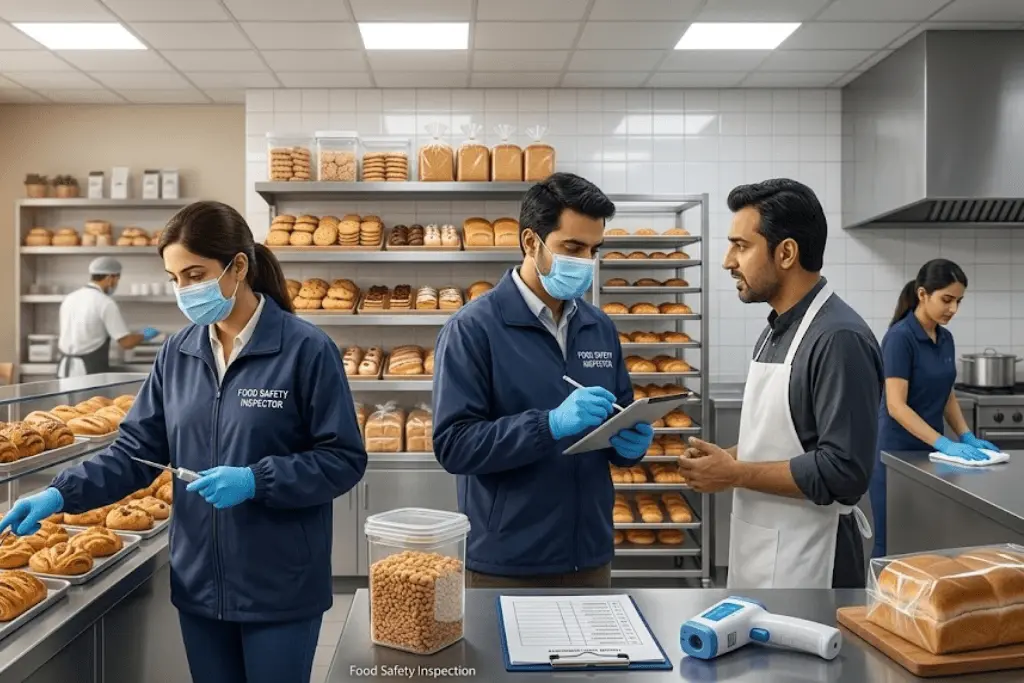
Large-scale inspections of restaurants, bakeries, dairy shops, food production units and wholesale suppliers across the province have been carried out by the Punjab Food Authority (PFA) in a bid to strengthen enforcement. The recent operations have led to the imposition of penalties worth millions of rupees, disposal of expired and contaminated food items and sealing of businesses not complying with the hygiene and food safety standards.
The campaign is a reflection of the authority’s continued commitment to improve the quality of food, protect public health and discourage food adulteration across Punjab. Inspectors regularly check on businesses to make sure they are complying with food laws, licensing requirements and manufacturing standards.
Consumers benefit from stronger oversight as officials continue to find unsafe food practices, while encouraging businesses to adopt higher hygiene and safety standards. The drives are aimed at businesses that use expired ingredients, poor sanitation, unapproved additives or unsafe production methods.
Authorities are also focusing on preventing food fraud, including the sale of fake spices, impure milk, low-quality cooking oil and wrongly labelled food products.
Regular inspections help keep businesses in compliance at all times and also build public confidence in Punjab’s food supply system.
The ongoing enforcement campaign also protects responsible businesses who invest in maintaining high production standards and follow food safety regulations.
Food Business Licensing Requirements
All food businesses in Punjab shall be required to obtain appropriate licence or registration from the Punjab Food Authority before commencing operations. Licensing means businesses must meet minimum legal requirements for hygiene, infrastructure, equipment and procedures for handling food.
The authority regulates restaurants, bakeries, dairies, food manufacturers, distributors and catering services. Licensing also assists the regulatory authorities in maintaining proper records and in conducting regular inspections more effectively.
Traceability Enhances Food Safety
Traceability is now a key element of modern food regulation. The system ensures greater transparency and helps authorities to monitor compliance at various stages of the food supply chain.
Severe Action Against Food Adulteration
Food adulteration is one of the main enforcement priorities of the Punjab Food Authority.
Adulteration: the adding of unauthorised, unsafe, or harmful substances to food products to reduce costs of production or increase the apparent quality of the product. The Punjab Food Authority also controls the materials used for serving and packing food.
Safe alternatives, meeting applicable regulatory standards, are expected to be used by food businesses. Changing to safer packaging advances broader environmental goals and reduces potential health hazards related to the use of unsuitable food containers.
Routine inspections of restaurants, bakeries, cafes and takeaway outlets include compliance with packaging regulations.
Bakery Inspections Still A Priority
Inspection campaigns are targeted at bakery production plants due to the large amount of ready-to-eat food products that families eat on a daily basis, which are produced there. Inspectors examine hygiene standards across production areas by looking at storage of ingredients, food preparation practices, equipment maintenance, employee hygiene, packaging processes and product labelling.
Correct Storage Of Raw Materials
Storage conditions have a direct impact on the quality and safety of food. Inspectors also check that the primary bakery ingredients like flour, sugar, butter, oils, eggs and other raw materials are stored correctly.
Moisture, pests, chemical contamination and excessive temperatures are all hazards to food ingredients and should be guarded against. Materials should not be left on the floor but in sealed containers away from cleaning chemicals or hazardous substances.
Good storage reduces spoilage and maintains the quality of the product during the manufacturing process. Businesses that practice good storage are better placed to consistently meet food safety requirements.
Bakery Workers Hygiene Standards
Hygiene of employees is another important area of inspection. The role of consumers is important to strengthen food safety in Punjab.
Each consumer is entitled to buy food complying with the established hygiene and quality requirements.
People should carefully examine packaged products before buying, noting expiry dates, ingredient information, packaging condition and manufacturer details.
Visual cleanliness of restaurants, bakeries and food outlets can also be good indicators of the operational standards.
Public awareness is an important factor in the effectiveness of food safety enforcement to encourage higher standards throughout the marketplace.
Reporting Food Safety Problems To Consumers
The Punjab Food Authority has urged people to report any suspected violations of food safety through the official complaint channels.
Consumers who witness unhygienic conditions, expired products, suspected adulteration or unsafe food handling practices can make complaints for investigation.
The authority also has a toll-free helpline 0800-80500 through which consumers can directly report concerns.
Public reporting helps inspectors find violations earlier, and also helps in better enforcement across the province.
Reporting a problem also protects other consumers from potential health hazards linked to unsafe food products.
Contributing To A Safer Food Environment In Punjab
The ongoing inspection campaigns of the Punjab Food Authority are a testament to the province’s continued focus on food quality, consumer protection and public health.
The authority is continuing its efforts to strengthen food safety in Punjab through licensing requirements, traceability systems, bakery inspections, anti-adulteration measures, packaging regulations and active consumer participation.
Businesses that meet regulatory standards enjoy higher consumer confidence, and stronger enforcement deters unsafe practices in the food industry.
Visit The Pakistan for more updates.