Farhan Qureshi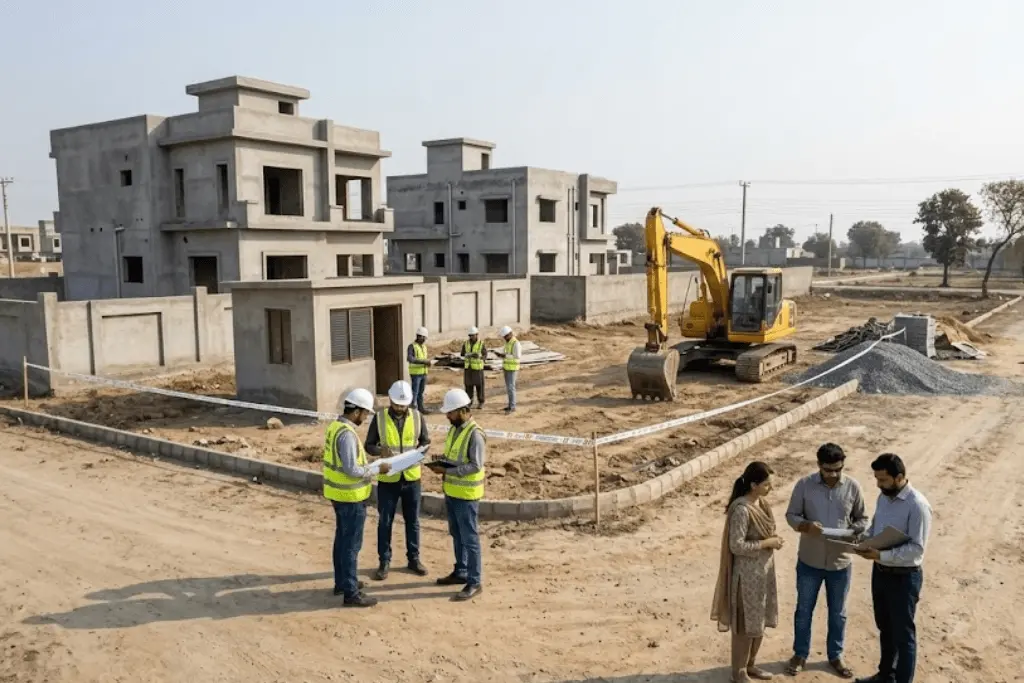
The Lahore Development Authority (LDA) has intensified its drive against LDA illegal housing schemes by demolishing unauthorised constructions, sealing project offices, and taking action against developers operating without the required approvals. The initiative aims to save citizens from fraudulent real estate projects and to promote planned urban development across Lahore.
Why the LDA Is Moving Forward
Rapid urbanisation has resulted in the creation of numerous private housing schemes within and around Lahore. Some developments are operating legally, but many others have sold plots without the necessary regulatory approvals, and authorities also hope that tighter planning regulations will result in more responsible real estate development across the province.
Risks of Investment in Illegal Housing Schemes
Buying property in an unapproved housing scheme involves a lot of serious risks, and developers may not be able to issue legal title deeds or build critical infrastructure such as roads, drainage, water and electricity without the appropriate regulatory approvals. Financial losses can be especially severe when buyers put their life savings into projects that never receive final approval.
The Risk File System Explained
The traditional “file system” has been one of the most discussed topics in Pakistan’s real estate sector.
Instead of clearly identified physical plots, developers were selling plot files that represented future allocations.
Some projects ended up with files that became real plots, but others were speculative for long periods or never saw the light of day.
Misrepresentation of Local Approvals
Another common problem is false local approval claims. No development schemes shall be executed without the formal approval of the concerned development authority and local permissions or non-objection documents of inapplicable institutions do not replace the overall planning approval requested by the relevant regulations under the provisions of the zoning laws.
The Importance of a Valid No Objection Certificate
One of the most important documents in any housing development is a valid No Objection Certificate (NOC), and the NOC confirms that the relevant authority has approved the project after fulfilling the applicable planning and regulatory requirements.
Buyers should be able to obtain copies of the approved documents from the developers, which include the NOCs with official stamps and the approved layout plans.
Risk Sign – Physically Underdeveloped
Generally, you can get a good idea of how a project is progressing by what you see on the ground, and more housing schemes advertising large numbers of plots but with no constructed roads, drainage systems, electricity infrastructure or other basic services need to be scrutinised.
Of course, new projects have limited infrastructure, but if the lack of development is continuous and the marketing is aggressive, it may be a sign of high risk of investment.
Verification of Approved Housing Societies
Before buying a flat in any housing scheme, the purchaser has to verify that the scheme is included in the official list of approved schemes maintained by the concerned development authority.
These official records help in distinguishing the legally approved housing societies from the illegal colonies operating without the necessary permissions.
Investors can make better choices and minimise their exposure to fraudulent schemes by reviewing the lists of approved projects.
NOC Verification before Purchase
The developers shall provide the No Objection Certificate of the project on demand. The approval document shall conform to the proposed housing scheme in reference numbers, official stamps and details.
Housing Society Management Services – Improve Transparency
The authorities have introduced the Housing Society Management Services (HSMS) system to increase transparency in the property market.
Verified plots are provided with unique QR codes or bar codes to help differentiate between actual property and speculative file-based transactions.
How to prepare before investing
For most families, buying a home is one of the biggest financial decisions they will ever make, so it makes sense to do your homework.
Buyers should thoroughly check ownership documents, confirm project approvals from official authorities, inspect development progress on-site and check for availability of infrastructure before making payments.
It can also be useful to seek independent legal advice when you are looking at larger property investments or investments you are not familiar with.
Be wary of developers who don’t have official documentation or want you to pay up before you have even checked.
Doing your due diligence often saves you from much larger financial losses down the road.
How Crackdown Assists Real Buyer
Enforcement actions may have negative impacts on parts of the property market in the short run, but stronger regulation is good for genuine buyers and responsible developers in the long run, and the ban on illegal schemes will help restore confidence in housing societies and generate investments in legal housing projects.
Buyers will be more secure on project approvals with authorities actively monitoring and enforcing planning regulations.
Weaker enforcement also works against responsible developers who play by the rules, by creating an uneven playing field, and allowing illegal projects to run outside of regulatory requirements.
Increased transparency helps to create a better long-term growth environment in Pakistan’s real estate sector.
Lahore Housing Sector Future Outlook
The current crackdown is part of a broader effort to enhance urban planning and governance in Lahore’s expanding housing market.
Going forward, increased use of digital verification systems, tougher enforcement against unauthorised developments and greater public awareness are expected to boost investment security.