Sana Khalid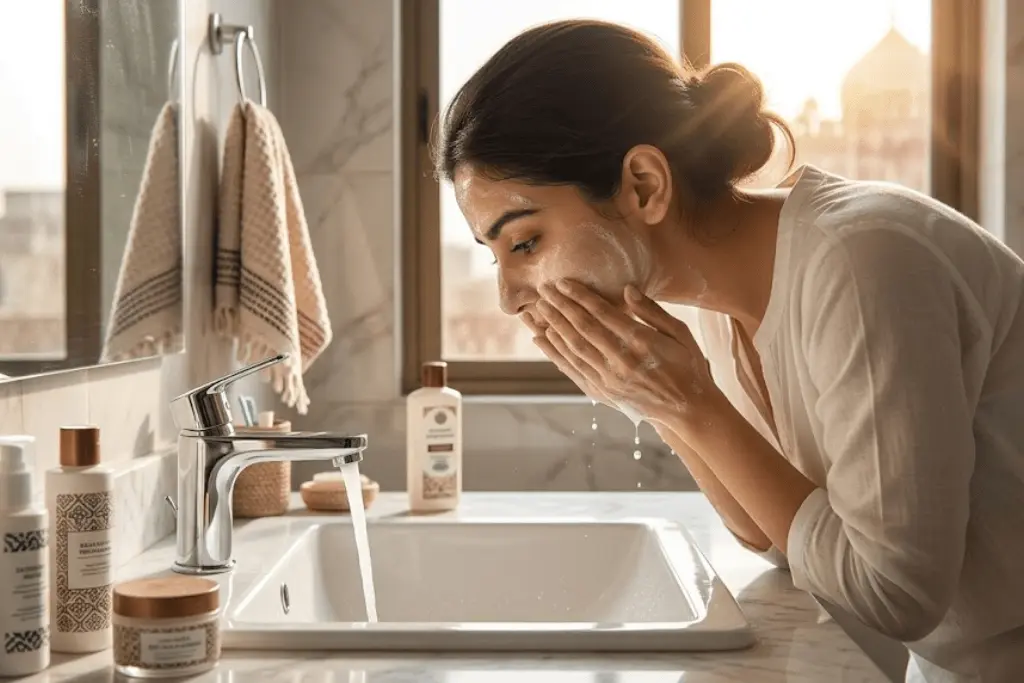
In the extreme summer heat and humidity, summer skincare Pakistan often faces challenging situations, particularly when it comes to keeping skin healthy in Pakistan. Heatwaves are severe in every city of Punjab, Sindh and other regions, which cause excessive sweating, production of oil, tanning, dehydration and acne breakouts. Dermatologists are still advising people on their skin care routines during the summer, stating that it can be a big detriment to the skin barrier and cause problems later in life.
Pakistan’s Summer Heat Creates Serious Skin Challenges
Some people stick to their winter skin care routines all year round, while others fail to take any skin care measures to protect their skin, even in the hottest summer months, such as using sun cream and drinking enough water. This is a common error that often results in blocked pores, fungal infections, excessive pigmentation and irritation.
Overwashing the Face Can Trigger More Oil and Breakouts
Excessive washing of the face is one of the most common skin care setbacks of the summer season in Pakistan. Constant sweating and sticky weather conditions increase the number of times most people wash their face four to five times every day with harsh cleansers and strong foaming face wash.
Dermatologists say that overwashing robs your skin of healthy oils and compromises your skin’s barrier function. When the barrier becomes damaged, the skin goes into “panic mode” and starts to make additional oil to make up for the loss of moisture. This can cause more acne, clogged pores, redness and irritation.
It also has a negative effect on the pH balance of the skin as it is over-cleaned, especially when the skin is already challenged by sweat, dust, pollution and UV exposure on hot days. Sensitive skin is sensitive to harsh cleansers, which can aggravate inflammation and make it more responsive.
The experts suggest that the face should be washed two times a day, and use a mild soap-free, pH-balanced cleanser. It is thought to be safer to rinse off the face with cool water or gently dry off with a cool towel during extremely hot afternoons.
Skipping Moisturizer Causes Dehydration and Excess Sebum
Yet another skincare error made by the Pakistani people during summer is not using moisturiser at all. Many people think that they are getting enough moisture through humidity, so they discontinue using moisture altogether, even when they have oily or combination skin.
Dehydrated skin actually can oil up when exposed to heat, dermatologists say. This causes the skin to dry out, which stimulates the production of more sebum from the sebaceous glands in an attempt to rehydrate the skin and restore the balance, leading to shinier skin and more acne.
Alternatively, the face may be even more susceptible to any skin damage, irritation and redness due to its weakened skin barrier when you skip moisturiser. The skin can also appear tired and lifeless when exposed to the heat and dehydrated, even if oil is abundant.
In summer months, experts suggest using lightweight, water-based or gel moisturisers rather than heavy winter creams. Hyaluronic acid, niacinamide, and hyaluronic acid acid and niacinamide are often recommended ingredients as they are hydrating without clogging pores or causing a greasy texture.
Heavy Winter Creams and Complex Routines Damage Skin in Summer
In summer, when the sun is shining, heavy Winter Creams and Complexes ruin the skin.
Another common issue is that skincare products made for the winter are used in summer, and too many complicated skin care routines are performed during extreme heat. When temperatures are above normal seasonal averages, many continue to add multiple heavy products.
Thick creams create a situation where sweat, bacteria and oil collect under the skin and lead to fungal infections, heat rash and serious acne, dermatologists say. When it’s humid, and sweating is high for a prolonged period of the day, pore congestion is even more probable.
A 10-step skin care regimen can also be too much for the skin in summer. Mixing several serums, acids and active ingredients may aggravate the irritations and sensitivity of the skin if they are already stressed by UV rays and pollution.
It’s recommended to keep the skin care routine simple during the summer season in Pakistan. Lightweight, breathable, absorbency quick formulas are more effective in hot weather. Simple cleaning, moisturising and sun protection can be more effective than using a multitude of products.
The dermatologists recommend that people avoid trying hard to treat acne on their own with OTC products and get professional advice in case of acne problems.
Harsh DIY Remedies and Fairness Creams Can Cause Long-Term Damage
Even to date, many Pakistanis are opting to go for certain home remedies or fairness creams that are not prescribed by doctors for skin tanning and pigmentations in summer. But dermatologists strongly discourage such practices as rubbing undiluted lemon juice or scrubs into the skin or using whitening creams containing steroids.
Lemon juice makes the skin far more sensitive to any UV damage and pigmentation. The rough scrubs in your skin can make its surface tiny micro-tears, which can cause inflammation to last even longer, and make the skin sensitive, making it worse.
The excessive use of fairness creams is still one of the most common skin problems faced by women in Pakistan. A large number of products contain harmful steroids, mercury or bleaching agents, which may lead to temporary lightening in the skin tone but will ultimately lead to permanent thinning of the skin, barrier damage, acne and discolouration.
The dermatologists suggest better options like Vitamin C, niacinamide or azelaic acid for even skin tone and summer tan. When used correctly, these ingredients are more reliable and less harmful.
Experts also say it’s better to prevent tanning than to treat it after it happens by using sunscreen.
Skipping Sunscreen Remains the Biggest Summer Skincare Mistake
Sunscreen neglect is always referred to as the worst skincare blunder in the Pakistani summer. Many people only put on sunscreen before they head outside and don’t put it on throughout the day.
UV rays appear to be in all directions, including through windows, clouds and indoors; skin is exposed even when driving or sitting in an office near an open window. Excessive exposure to the sun’s ultraviolet rays is a significant factor in pigmentation, premature aging, tanning and uneven skin texture.
Another common error is leaving exposed areas like hands, ears, neck and arms uncovered. They are often the first spots to exhibit signs of sun damage, as people tend to only apply sunscreen to their face.
When it’s really hot, sweating can also wash away the sun protection product, so you need to reapply it. Broad-spectrum SPF30 or above is recommended all year round, no matter what the weather is like.
In Pakistan, the climate is humid, and most of the sun cream types preferred are gel-based, matte and oil-free, which are lighter and easier to wear during long summer days.
Dermatologists Recommend Simple and Consistent Summer Skincare
The experts across Pakistan are making people more aware about the need to follow a minimum and regular skincare regimen in the summer, instead of following some quick fixes or viral trends. Great skin care practices during hot weather and humid days continue to be correct cleansing, lightweight hydration and daily sunscreen protection.
In summer, dehydration is also important for the health of the skin. Adequate hydration helps to keep the skin barrier functioning properly, and can help minimise dullness caused by dehydration.
With soaring temperatures around the country, it is even more important to raise awareness of how to take care of the skin to avoid skin damage in the long term.