Adeel Hassan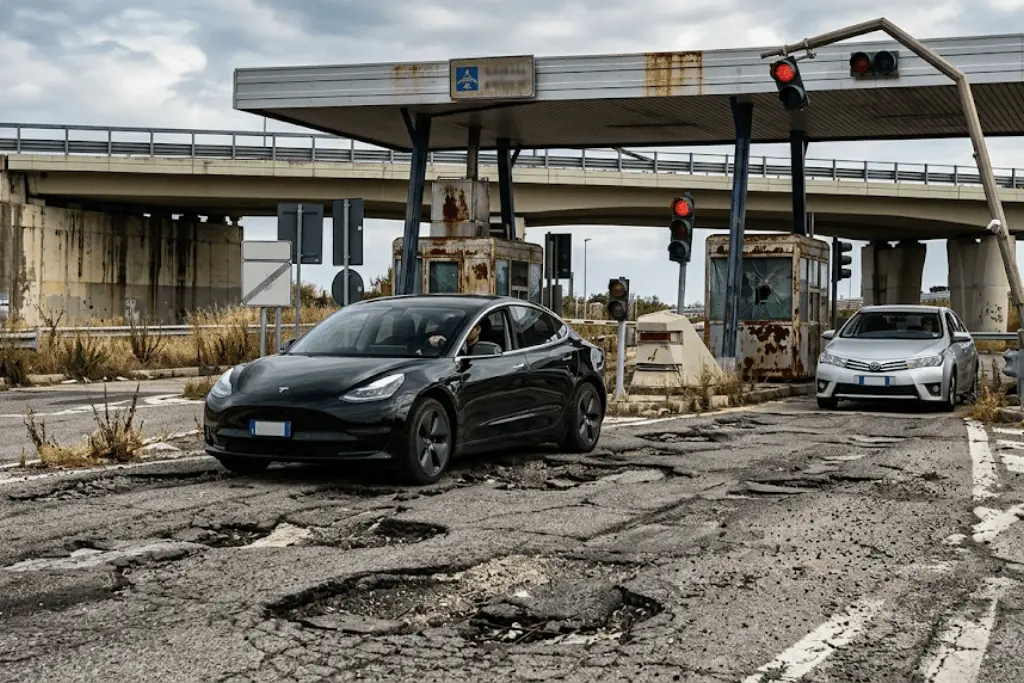
Motorists and electric vehicle drivers in Pakistan are currently forced to pay Pakistan toll taxes rules on national highways and motorways even though the roads are in poor or damaged condition. The existing legal structure under the National Highway Authority Act, 1991, does not give commuters any legal recourse to refuse or question toll payment on grounds of broken roads, potholes or maintenance issues.
The National Highway Authority has been given the full legal authority to impose, collect and revise toll charges on the motorway and national highway network of Pakistan. Toll revenue is a major contribution towards road construction, expansion of infrastructure, operational costs and maintenance of the country’s fast-developing transport network.
While some motorists may be frustrated by deteriorating road conditions in certain areas, toll payment is required under current regulations. But commuters are encouraged to raise safety concerns and report damaged stretches through official complaint systems run by highway authorities and motorway police.
Pakistan’s Expanding Road Infrastructure Continues to Modernise
In the last decade, Pakistan has invested heavily in modern transport infrastructure, with major motorway projects, highway upgrades and regional connectivity corridors raising standards of travel across the country. Expanded road networks have supported broader economic development goals and improved logistics, tourism and intercity travel.
The motorway system is still one of the most important infrastructure achievements of the country, linking major cities and industrial areas by high-speed transport routes. Authorities are also paying more attention to the efficiency of maintenance and digital toll management systems, given the increase in traffic volumes.
Some provinces are still carrying out highway modernisation projects, although sometimes weather conditions, heavy traffic, or construction activity can make maintenance difficult. Infrastructure analysts say better maintenance planning systems and faster complaint resolution may boost commuter satisfaction in the years ahead.
EV Toll Exemptions Proposed Under Pakistan’s New Auto Policy
While there are no widespread exemptions from tolls for damaged roads, Pakistan’s forthcoming Auto Policy 2026–31 is expected to provide great incentives for the adoption of electric vehicles. One of the most hotly debated proposals is the possibility of exemptions from the toll tax for the fully electric and plug-in hybrid models.
This initiative is part of Pakistan’s broader clean energy and sustainable mobility plan to reduce reliance on fuel and promote green transportation. EV adoption in Pakistan is gradually gaining momentum as consumers are looking for lower operating costs and less reliance on conventional fuel prices.
M-Tag Rules and Toll Surcharges Remain Strict Across Motorways
In Pakistan, the motorway system is now heavily dependent on M-Tag digital toll collection technology to enhance traffic efficiency and reduce congestion at toll plazas. The National Highway Authority requires vehicles to have active M-Tags with sufficient balance before entering the major routes on the motorways.
Motorists who did not have an active M-Tag or did not have enough in their account to pay the toll could be hit with a 50 per cent surcharge on top of the regular toll. The digital system was introduced by authorities to ease motorway operations and reduce the delays caused by manual toll collection processes.
Pakistan’s growing reliance on digital tolling is part of a broader shift toward smarter transportation management and technology-driven infrastructure services. As traffic volumes grow across the country, more motorway digitisation will be rolled out.
Motorists are advised to regularly check their M-Tag balances and register properly before travelling on the motorway to avoid penalties and unnecessary delays.
NHMP Helpline and Complaint Systems Allow Reporting of Unsafe Roads
Toll payment is still mandatory, but drivers can also officially lodge complaints in the face of unsafe road situations. Authorities have urged commuters to report potholes, badly damaged roads, broken infrastructure or unsafe driving conditions directly to the National Highways and Motorway Police.
NHMP 130 helpline remains one of the key reporting systems available for highway emergencies, road complaints and infrastructure concerns. By giving exact locations and accurate information, it may help the authorities deal with maintenance issues more efficiently.
Pakistan is improving its highway monitoring and infrastructure accountability mechanisms, and public complaint systems are gaining importance. Timely reporting can assist road authorities in identifying maintenance priorities and addressing safety concerns more quickly.
Pakistan’s Transport Future: Towards Modernisation and Cleaner Mobility
Pakistan’s highway current legislation does not allow drivers to refuse toll taxes due to damaged roads; authorities continue to advocate for public participation through complaint systems and infrastructure reporting tools. At the same time, motorway expansion and maintenance initiatives continue to be the main emphasis of Pakistan’s long-term economic and transport development plans.