Farhan Qureshi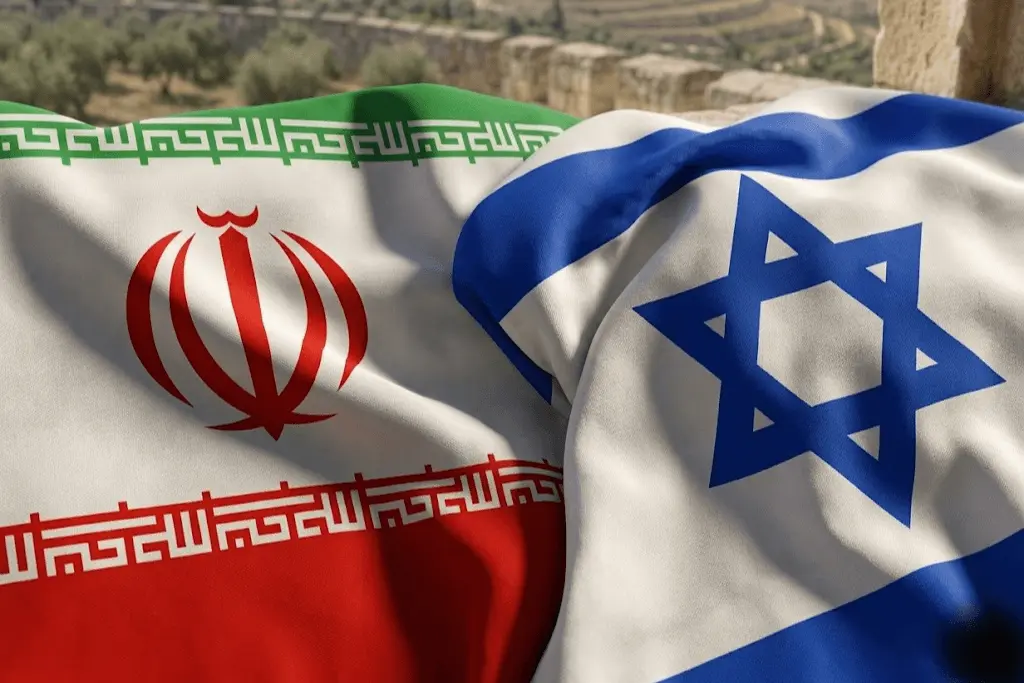
The irregularities of global security, economic stability debates, and human rights concerns are increasingly shaped by the Iran conflict impact, driven by rising geopolitical tensions linked to its regional policies. Although the Middle East has never experienced a conflict in a vacuum, the consequences of the war have never had as far-reaching an effect as it does today, affecting not only the price of oil but also the lives of millions of people in the region.
Simultaneously, other nations, such as the Gulf Cooperation Council (GCC), are striving to establish themselves as frontiers of stability, economic development, and diplomatic equilibrium and provide a different counsel in an unstable part of the globe.
Human and Economic Impact of Regional Instability
Among the direct effects of constant tensions, a disruption of usual life is one of the most immediate. People in the impacted regions tend to be uncertain in their jobs, have low levels of access to basic services, and their safety is at risk. According to reports by international organisations, the long-term effect of instability is the destruction of homes, limited education and socio-economic problems that may be long-term and especially among the younger generations.
One of the most vulnerable is the children. As per the international humanitarian observations, conflict settings heighten risks of exploitation, interfere with schooling, and cause psychological trauma. These issues make the call to the global community to prioritise the need to protect human rights and demand accountability.
The effect has far-reaching economic consequences, beyond national boundaries. Organisations such as the IMF and Deloitte have highlighted the effect of the Middle East tensions on the global supply chains. The energy market is a sensitive one, especially in the way oil is transported within the system or even in production; any hitches in the road or route can cause volatility in the prices all over the world. This not only has an impact on the regional economies but also on global inflation, trade flows and financial markets.
Another area of concern is maritime security.
Some of the world’s most strategically vital waterways. Such as the Strait of Hormuz, play a crucial role in global oil transportation. Heightened tensions raise concerns about potential blockades or disruptions, which could have severe repercussions for international trade and the global energy supply.
Regional Stability and the Gulf Growth Model
Amongst such challenges, various Gulf countries are becoming models of resiliency and progressive leadership. The UAE and Saudi Arabia are some of the countries that have aimed at diversifying their economies, building infrastructures and engaging in diplomacy with other countries in the region with the aim of remaining stable.
These countries are also spending a lot on technology, tourism, clean energy and international collaborations. Their strategy focuses on long-term expansion, peace and international collaborations- important elements in the foreign investment and the realisation of sustainable development.
This comparison shows an important trend in the region; some places are not stable. On the other hand, the lack of this kind of instability is what pushes progress in other areas. The Gulf region is a good example of how strategic planning and diplomacy can help lessen the effects of regional conflict.
The Global Security Dimension
The impacts of the tensions in Iran are experienced globally. Also, this has an impact on the security worldwide. Countries should collaborate to mitigate such threats since all of them are interconnected, such as energy provision, trade route safety, and financial market unpredictability.
The rising awareness that local upheavals have an international impact on the economy and security matters makes diplomacy, conflict management and collaboration among nations significant.
Pakistan’s diplomatic role
Despite these tensions, Islamabad has emerged as an important diplomatic centre, having hosted recent US-Iran talks. However, negotiations faced challenges, and Pakistan’s role highlights its growing importance as a neutral mediator promoting dialogue and stability.
The state of the Middle East is a complex one since it is unstable and stable. The conditions in the region are evolving, and it is easier to comprehend. The Iran-related issues still pose threats to human rights, economic stability and security, yet, there are some cases of development and stability in the region due to active ruling and international cooperation.