Adeel Hassan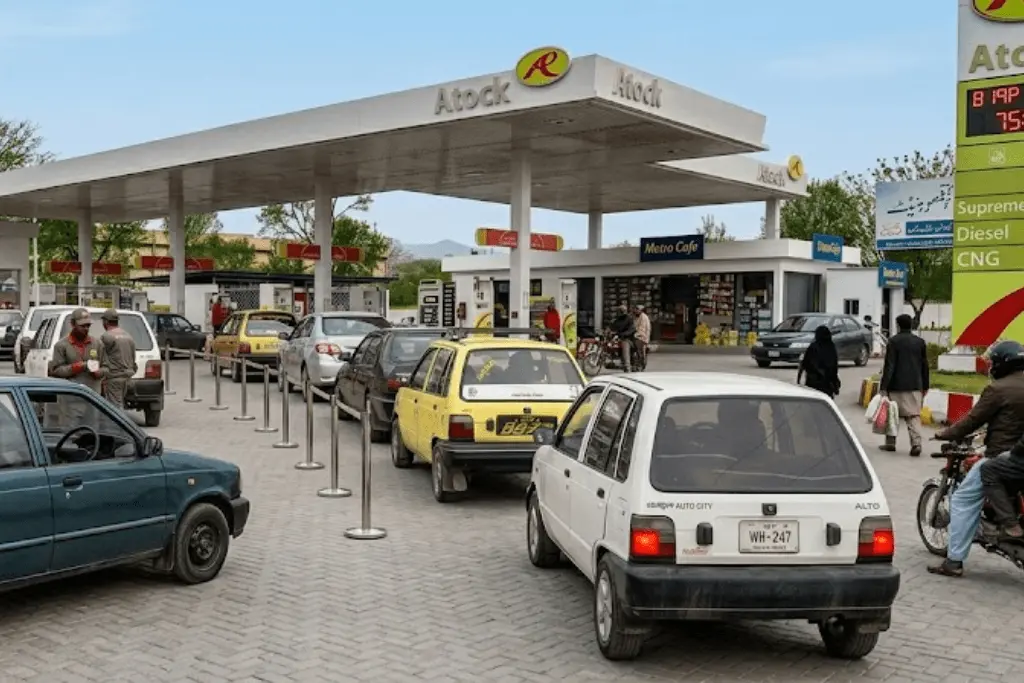
The latest fuel squeeze in Pakistan is not one simple shortage story. It is a pressure cycle. First came the regional shock from the Iran war and Strait of Hormuz disruption fears. Then came a sharp domestic price jump. After that, panic buying, pump-level rationing, and dealer anger turned a supply scare into a consumer crisis. Official channels have tried to calm the market, but on the ground, many motorists have already felt the squeeze through long queues, dry stations, and purchase limits. PSOPK’s latest notified prices and PSO’s retail listings show petrol at Rs321.17 per litre and diesel at Rs335.86 per litre, underlining why this issue is hitting households so hard.
The Regional Shock Hit Pakistan Fast
Pakistan remains heavily exposed to imported energy, so any Gulf shipping disruption quickly reaches local markets. In early March, the government-linked explanation for the price shock pointed to a surge in Platts benchmarks. That global squeeze fed directly into Pakistan’s retail market and triggered an unprecedented Rs55 per litre increase announced on March 6.
Petrol Pumps Came Under Immediate Stress
Once prices jumped, consumer behavior changed almost overnight. Dawn reported that multiple filling stations in Islamabad and Rawalpindi either ran dry or began limiting petrol sales to around 8 to 10 litres per vehicle. That kind of rationing matters because it turns fear into demand: drivers who might have bought a normal amount start topping up early, and queues grow faster than supply can recover. Reports also said diesel was not facing the same level of shortage, which shows this was not a uniform fuel collapse but a petrol-specific pressure point.
Dealers Added Another Layer Of Uncertainty
The pressure did not come only from global oil markets. Pakistan Petroleum Dealers Association leaders had also warned of a strike over margins, arguing that the existing dealer commission had become unworkable after the fuel price hike. On March 25, dealers postponed that strike, saying the Middle East situation could make life even harder for consumers. That delay helped avoid an immediate shutdown, but it did not remove uncertainty.
Why Consumers Still Feel The Crisis
Even when authorities and major suppliers show listed prices and active supply, trust at street level can break faster than logistics can recover. Consumers react to rumors, transporters hedge against higher costs, and pumps try to manage limited stocks more cautiously. That is why a market can look “supplied” on paper but still feel broken to ordinary drivers.
What To Watch Next
The next pressure points are simple: fresh import flows, dealer-government negotiations, and whether regional tensions cool enough to stop panic buying. PSO’s March 28 price sheet suggests the system is still functioning, but functioning is not the same as comfortable. For consumers, this crisis is really about three things at once: higher prices, weaker confidence, and the fear that the next refill may take longer, cost more, or not be available nearby.
FAQs
Why are petrol pumps under pressure in Pakistan right now?
Regional supply fears, sharp prices, panic buying, and dealer tensions have all squeezed normal pump operations.
Did Pakistan officially raise petrol prices recently?
Yes, petrol prices jumped sharply in March after global oil benchmarks surged amid regional conflict.
Is diesel also facing the same level of shortage?
Reports suggested diesel supply stayed relatively steadier, while petrol faced stronger pump-level rationing pressure.
Did petrol dealers go on strike nationwide?
No, dealers postponed the planned strike, though their margin dispute with the government still continues.
Why does the crisis hurt consumers so quickly?
Because even shortage fears trigger queues, hoarding behavior, transport costs, and immediate household budget pain.