Maria Imran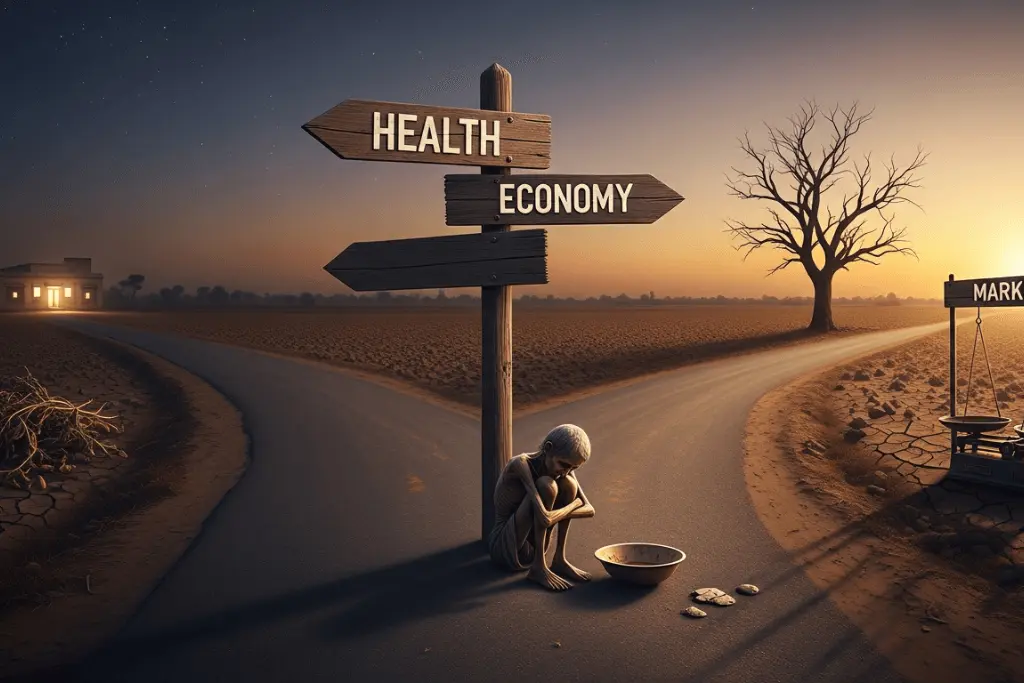
The Pakistan food insecurity crisis is rapidly growing, impacting millions of households in Pakistan, and has become a deepening humanitarian crisis in this country. The increasing inflation, climate, and supply chain disruptions have rendered the basic foodstuffs unaffordable. However, the Pakistan food insecurity is no longer a crisis of rural or low-income populations, but now also urban populations are at risk. The number of individuals who are malnourished is on the rise, the health care costs are rising, and families are being forced to make tough choices on what to eat, school, and treatment. Another issue that worries analysts is that failure to act upon the crisis of Pakistan’s food insecurity may have long-term consequences on the social aspects of stability of the nation and economic restoration.
Growing Health and Economic Concerns
The food insecurity crisis in Pakistan is a serious threat to the overall health condition of the population, particularly of children, pregnant women, and the aged. Undernutrition negatively affects immunity and contributes to the increased disease burden and escalates health care costs. The Pakistan food insecurity crisis is economically impacting the productivity of the workforce and growth, as the populations that are facing undernourishment find it challenging to fulfill their daily needs. Floods and droughts have also contributed to the agricultural losses that have increased the Pakistan food insecurity crisis, and the increasing food imports are burdening the national finances. The policymakers emphasize that concerted efforts involving social protection efforts, agricultural reforms, and specific nutrition-focused interventions are key to avoiding permanent harm to Pakistan’s food insecurity crisis. Visit this site for more details: https://thepakistan.pk/