Urooj Niazi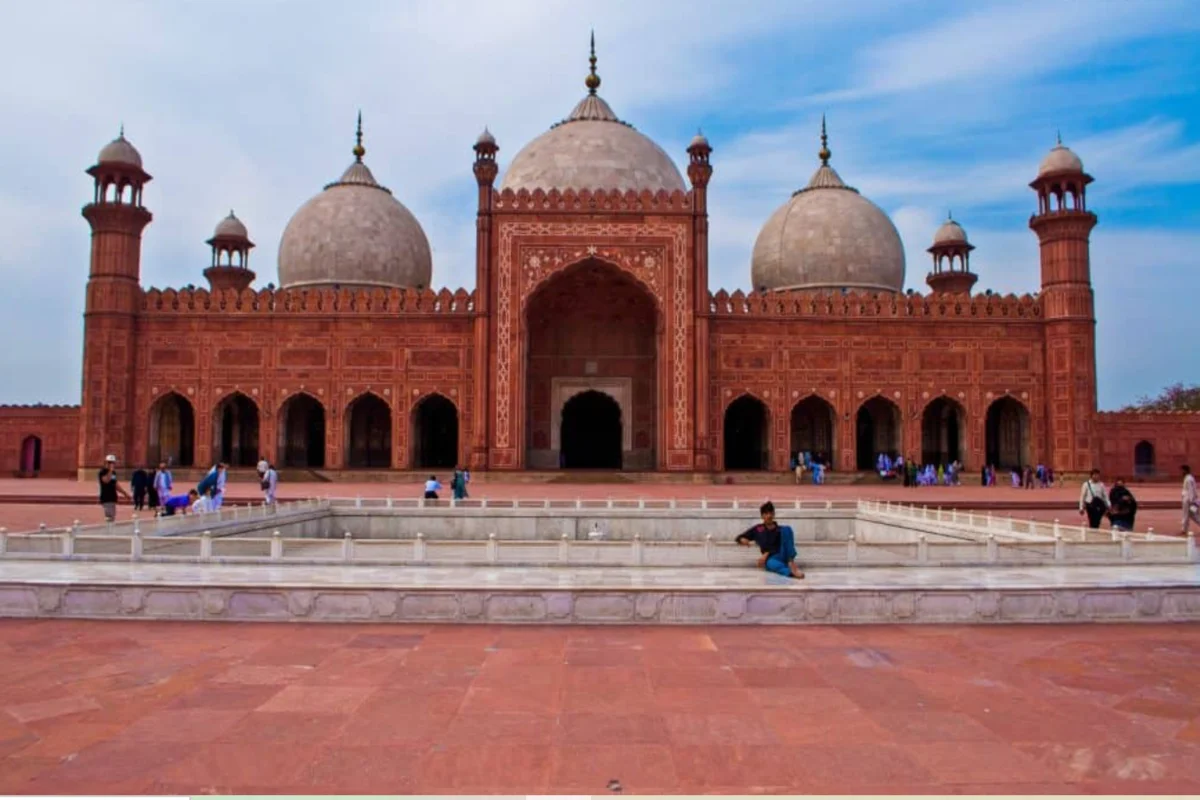
Rain on brick. Steam from chai. Horns near the old gates. That’s a normal evening, and right in the middle stands Lahore’s Historical Landmarks: Badshahi Mosque, Lahore Fort, Shalimar Gardens. Old, steady, still part of daily life. That’s how it is anyway.
Badshahi Mosque – A Timeless Symbol of Mughal Grandeur
The Badshahi Mosque doesn’t compete with the city noise; it outlasts it. Built in 1673 by Aurangzeb, the red sandstone turns warm at sunset, almost copper. Step in and the marble floor bites the heat from your feet. Cool as shade. A boy chases pigeons near the arches, his laughter jumps, then fades under the first call to prayer.
Sound rolls round the domes like slow thunder, soft but full. Incense sits faint on the air, dust too, the honest kind you find near old stone. Some people pray. Some sit and just watch the light shift on the walls. And it’s fine. The place holds both, cleanly. Sometimes the simple scene works better than any big line.
Lahore Fort – The Heart of Mughal Power
Across the road, Lahore Fort stands with that heavy confidence of brick and time. Akbar gave the bones. Shah Jahan added grace. You can spot the change with one glance. Strong wall, then delicate lattice. So, strength meeting quiet art.
Sheesh Mahal first. Mirrors scatter even weak light, like a pocket of stars trapped under the ceiling. Naulakha Pavilion next, white marble so thin at places it glows in the afternoon sun. The Alamgiri Gate feels like an announcement, tall and blunt, dust clinging to every ledge.
The air smells of damp plaster and kabab smoke drifting in from the road. A guide mixes Urdu and English, pointing fast, his finger black with stone dust. Children run across a courtyard once set for royal audiences. Nobody gets fussy. Lahore lets past and present sit at one table. It works, mostly.
Shalimar Gardens – The Mughal Vision of Paradise
Drive a little and the noise drops. Shalimar Gardens opens like a long, slow breath. Built in 1642 by Shah Jahan, three terraces step down as if the land itself is relaxing. Fountains everywhere, hundreds, fed by old channels that still know their routes.
Water speaks here. Not loud. Just steady. Birds bounce between cypress and mango; a vendor cracks salt on fresh corn, the smell sweet and smoky. Families sit under trees with steel tiffins, kids counting fountains like it’s a game. The symmetry feels natural, never stiff. Maybe that’s the real craft, engineering you don’t notice until it fails, and it hasn’t.
By evening, reflections turn gold. People get quiet for a minute. Then life returns, as it should.
Preserving Lahore’s Heritage in Modern Times
Keeping Badshahi Mosque, Lahore Fort, and Shalimar Gardens healthy isn’t neat work. Pollution bites stone. Hands touch what should be left alone. Paint peels. Still, repairs go on. Craftsmen set tiles by hand, line by line. Volunteers sweep, plant, fix small things that actually matter. Progress looks slow from far away. Up close, it’s steady. Sometimes it’s the small habits that matter.
Lahore’s Living History Through Its Monuments
These places are not props. They are anchors. Lahore’s Historical Landmarks, Badshahi Mosque, Lahore Fort, Shalimar Gardens, keep the city stitched to its own memory. Prayer echo. Footsteps on marble. Water over stone. Simple sounds, long life. Feels right to leave it there.
FAQs
1. When was the Badshahi Mosque completed, and why do people still mention its scale today?
It was completed in 1673 under Aurangzeb; the vast courtyard and towering minarets still set the mood for the entire old quarter.
2. Which rulers shaped Lahore Fort, and what shows their different choices most clearly?
Akbar built for force and control, Shah Jahan added marble grace; Sheesh Mahal and Naulakha Pavilion make that contrast easy to spot.
3. How does Shalimar Gardens manage so many fountains without modern pumps or flashy systems?
The original gravity-fed channels and carefully graded terraces keep water flowing evenly, a quiet lesson in old engineering that still works.
4. Are these landmarks active spaces or only for tourists taking photos on weekends?
They stay active daily, prayer at the mosque, families and students in the fort and gardens, regular events and routine visits, nothing staged.
5. What practical steps help preservation on ordinary days when budgets feel tight?
Hand repair of tiles, controlled cleaning, guiding visitor flow, and small volunteer drives; boring tasks, yes, but they hold everything together.
READ: Breaking And More Informative Content