Maria Imran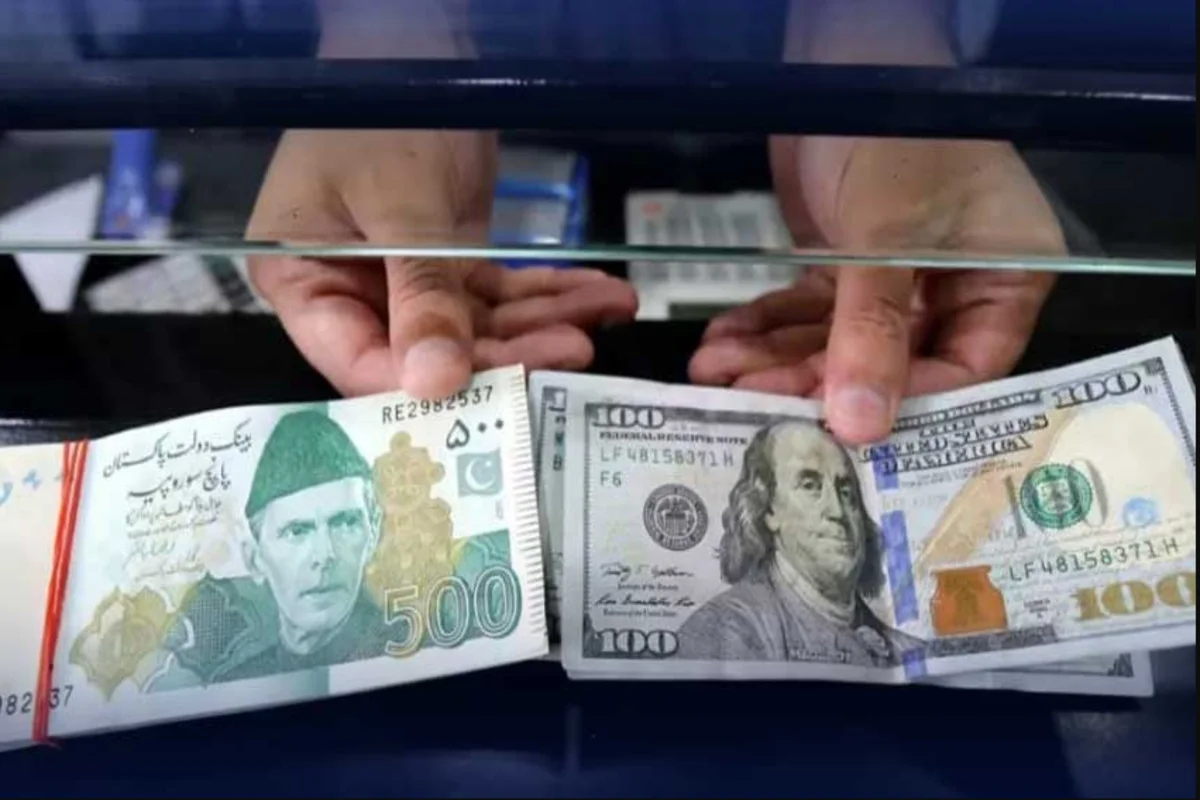
Today, the foreign exchange market in Pakistan recorded clear fluctuations, and this is a result of the pressure that the global economy is currently experiencing, as well as domestic financial forces. Since people and organizations are still using stable exchange rates to conduct trade, travel, and investment, currency values on a daily basis are becoming paramount in deciding on the financial aspects. The current exchange rate update deals with the performance of the major international currencies such as the US Dollar (USD), the Canadian Dollar (CAD), the Emirati Dirham (AED), the Euro (EUR), the British Pound (GBP) and the Australian Dollar (AUD) as well as the Indian Rupee (INR) relative to the Pakistani currency, the Pakistani Rupee (PKR).
Major Currency Rates in Pakistan
Here are the updated exchange rates of major currencies against the Pakistani Rupee:
| Currency | Symbol | Value in PKR |
| Indian Rupee (INR) | ₹1 | 3.209 PKR |
| US Dollar (USD) | $1 | 281.8 PKR |
| Canadian Dollar (CAD) | C$1 | 204.9 PKR |
| Emirati Dirham (AED) | د.إ1 | 76.72 PKR |
| Euro (EUR) | €1 | 328.7 PKR |
| British Pound (GBP) | £1 | 380.2 PKR |
| Australian Dollar (AUD) | A$1 | 184.2 PKR |
The US Dollar is still dominant with the value of 281.8 PKR, and the British Pound is one of the highest valued major currencies at 380.2 PKR. Another currency that is strong is the Euro at 328.7 PKR, and the Dirham at 76.72 PKR remains a reliable remittance choice.
Economic Impact of Fluctuating Exchange Rates
These fluctuations in the foreign exchange rates continuously have great implications for the Pakistani economy. The weak rupee, particularly against the dollar and euro, incurs higher costs on the importers, particularly because Pakistan is largely dependent on imported goods, including oil, machinery, and other raw materials. On the other hand, a weaker rupee can help exporters because their products will be cheaper in the international markets, which will probably enhance competitiveness in trade.
To common people, these changes have a direct impact on remittances, foreign education costs, foreign travel costs, and even on the prices of basic commodities. Expatriates who remit funds back home in the UAE, Saudi Arabia, the US, or Europe closely monitor these rates in order to maximize their remittances. Moreover, companies that do international trade usually hedge against volatility by using financial policies that reduce risks.
Altogether, the currency exchange market remains a significant sign of the financial stability of Pakistan. Business people, policy makers, and individuals will have an eye on the global trends, inflation, and monetary policies as they determine the direction of the rupee in the next few weeks.